
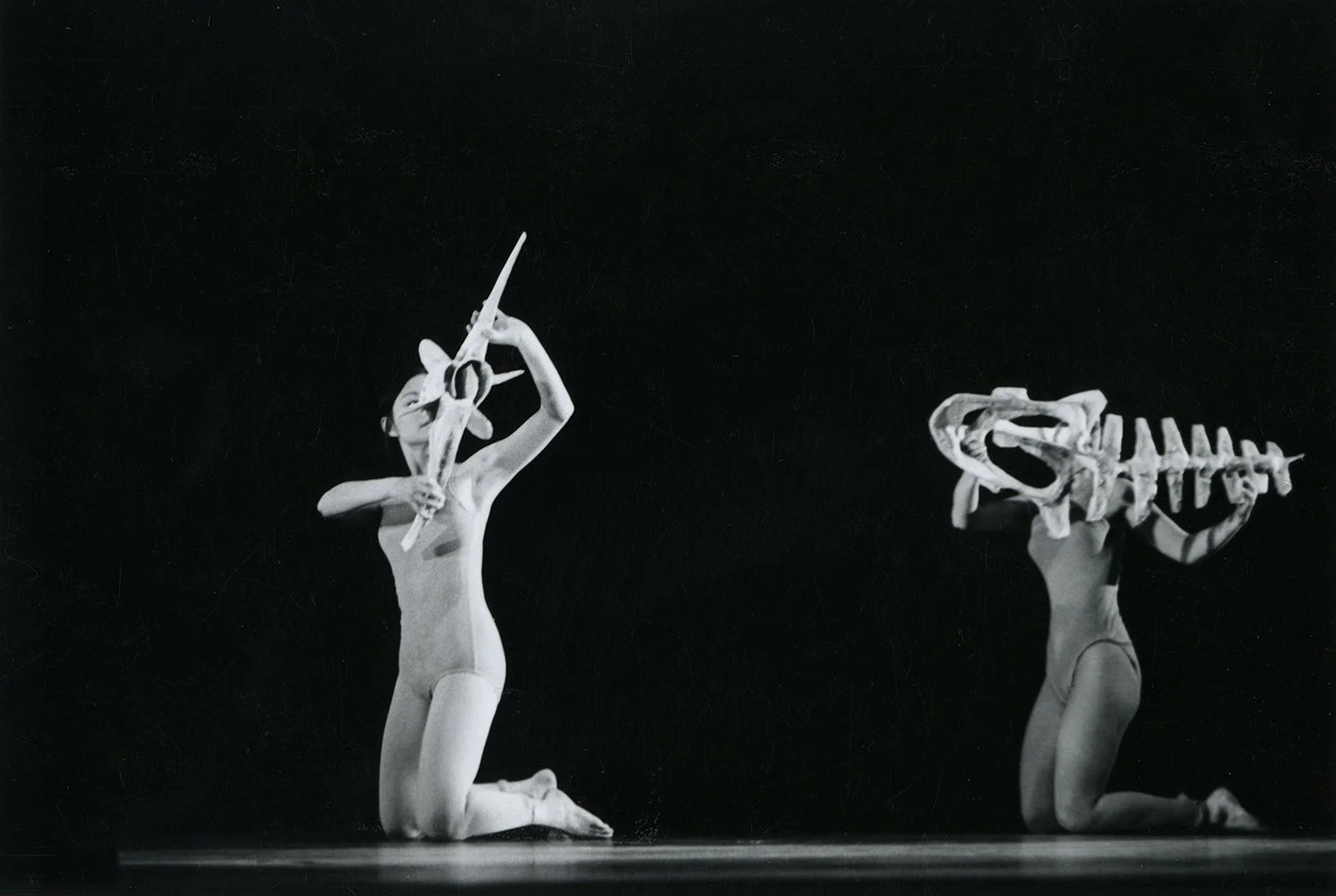
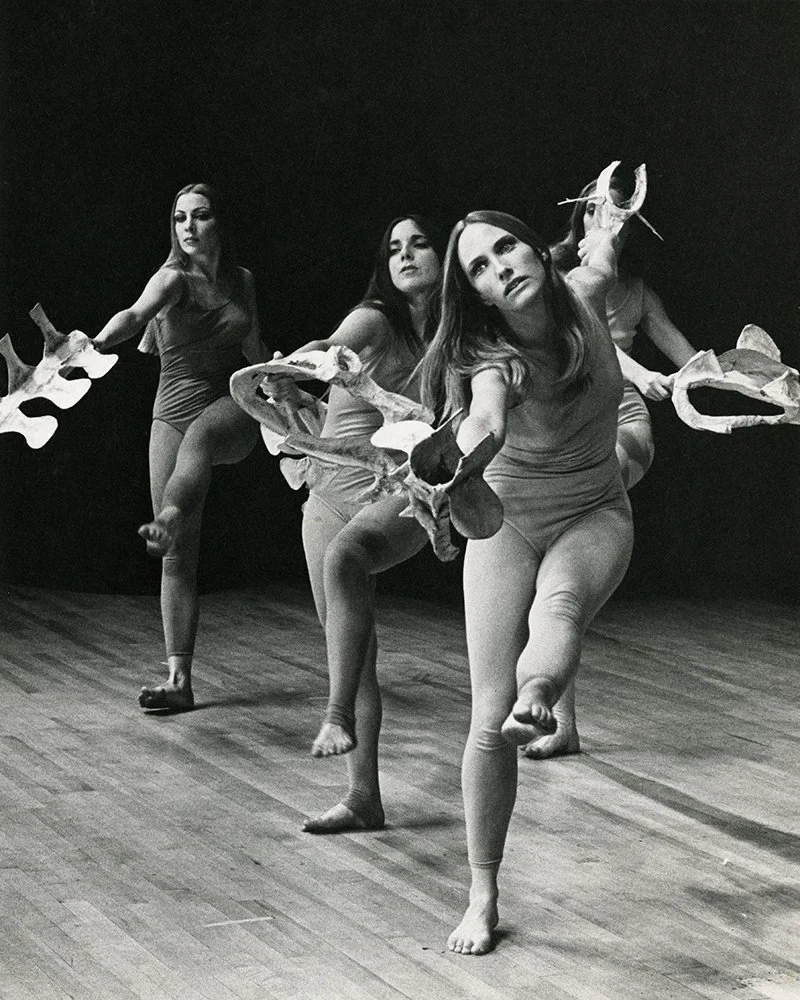
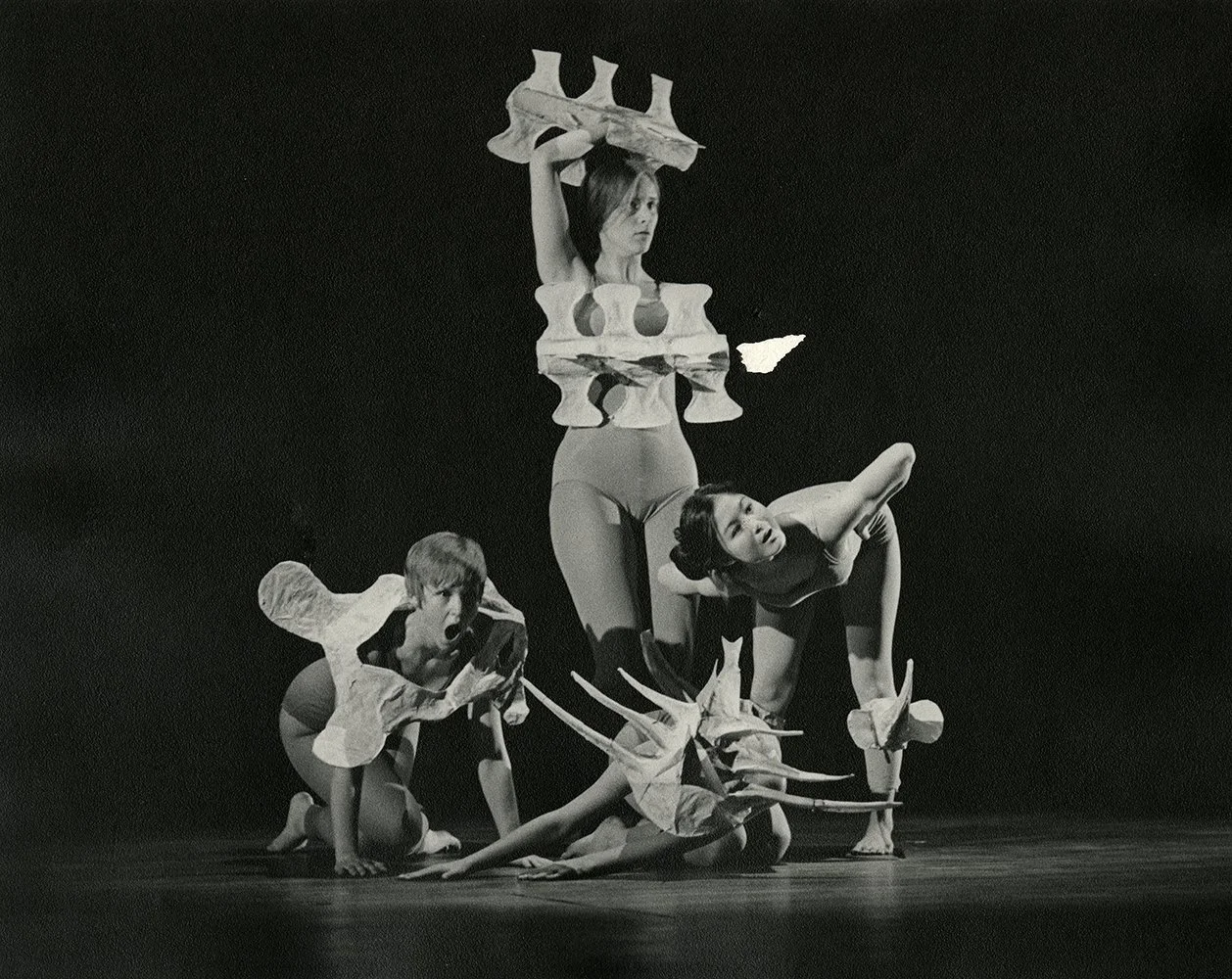
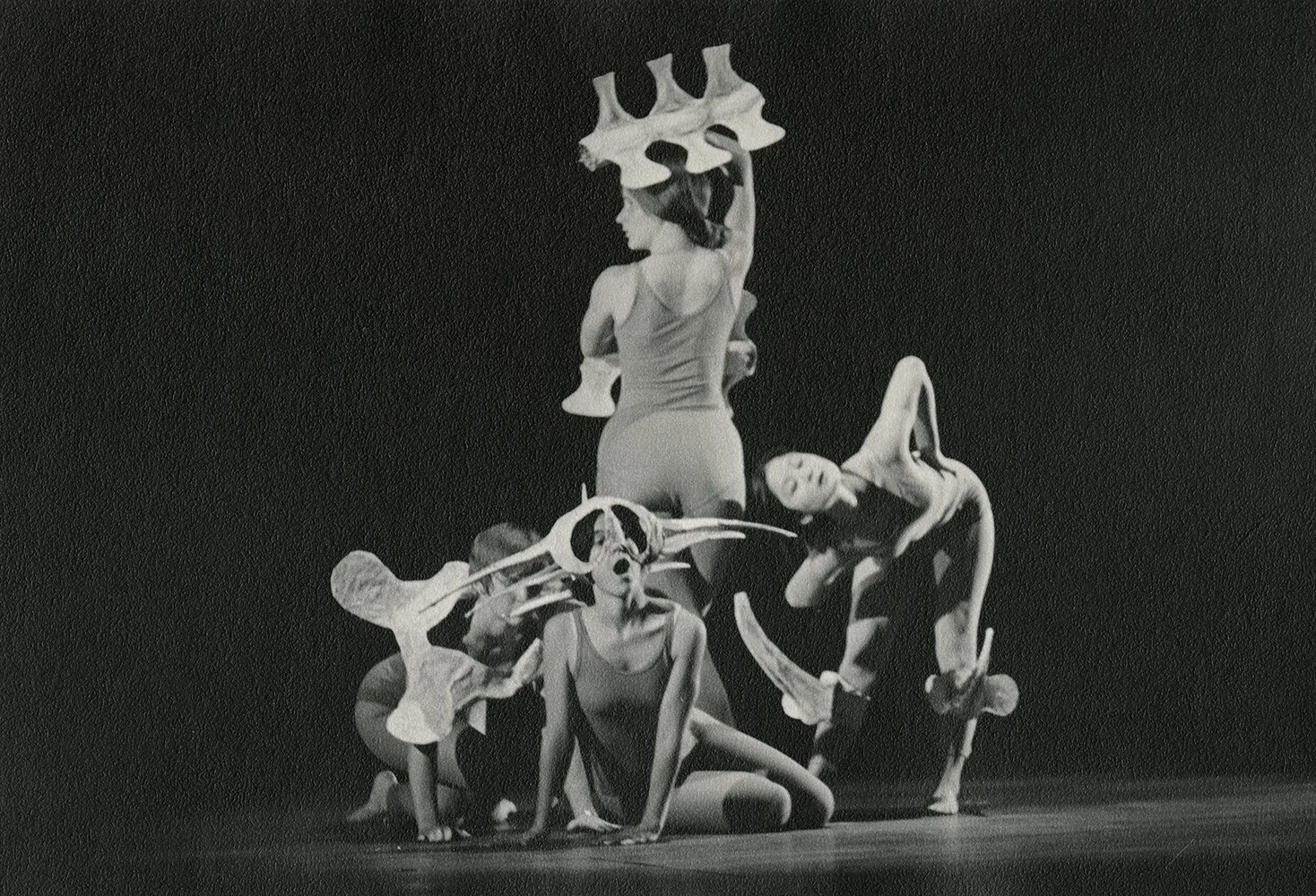
Parched Plain (1969)
One of the earliest explorations of Nancy Spanier’s signature technique (the obstruction technique), Parched Plain draws inspiration from a primitive carcass discovered in the Nevada Desert to investigate themes of isolation and alienation. Choreographed and directed by Spanier, the work is set to an early percussion score by John Cage and incorporates sculptural props designed by Robert Naess.
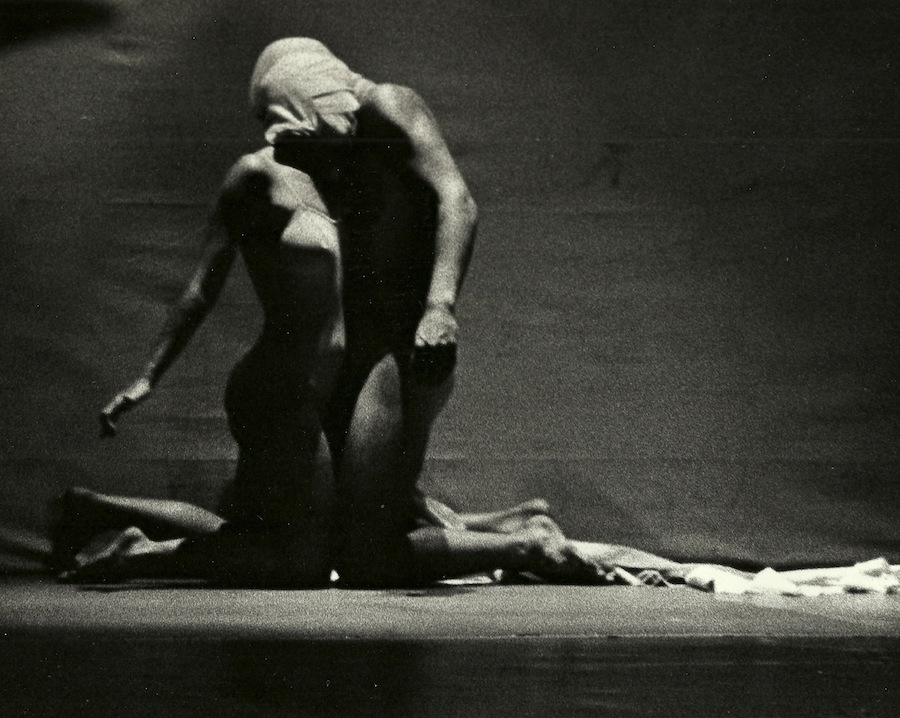
Private Spectacle in 10 Ridiculous Acts (1970)
An absurdist, surreal, highly imagistic, circus-like collage of performance events and tasks: a herd of unicorns; a couple enveloped in an array of balloons; another couple slowly unwinding from full-body bandages; and a lady-in-waiting wearing a motorcycle helmet, emerging from a torn weather balloon. Choreographed by Nancy Spanier and performed by both professional and nonprofessional performers, with music by Chris Kermiet and costumes by Hope Redmond.
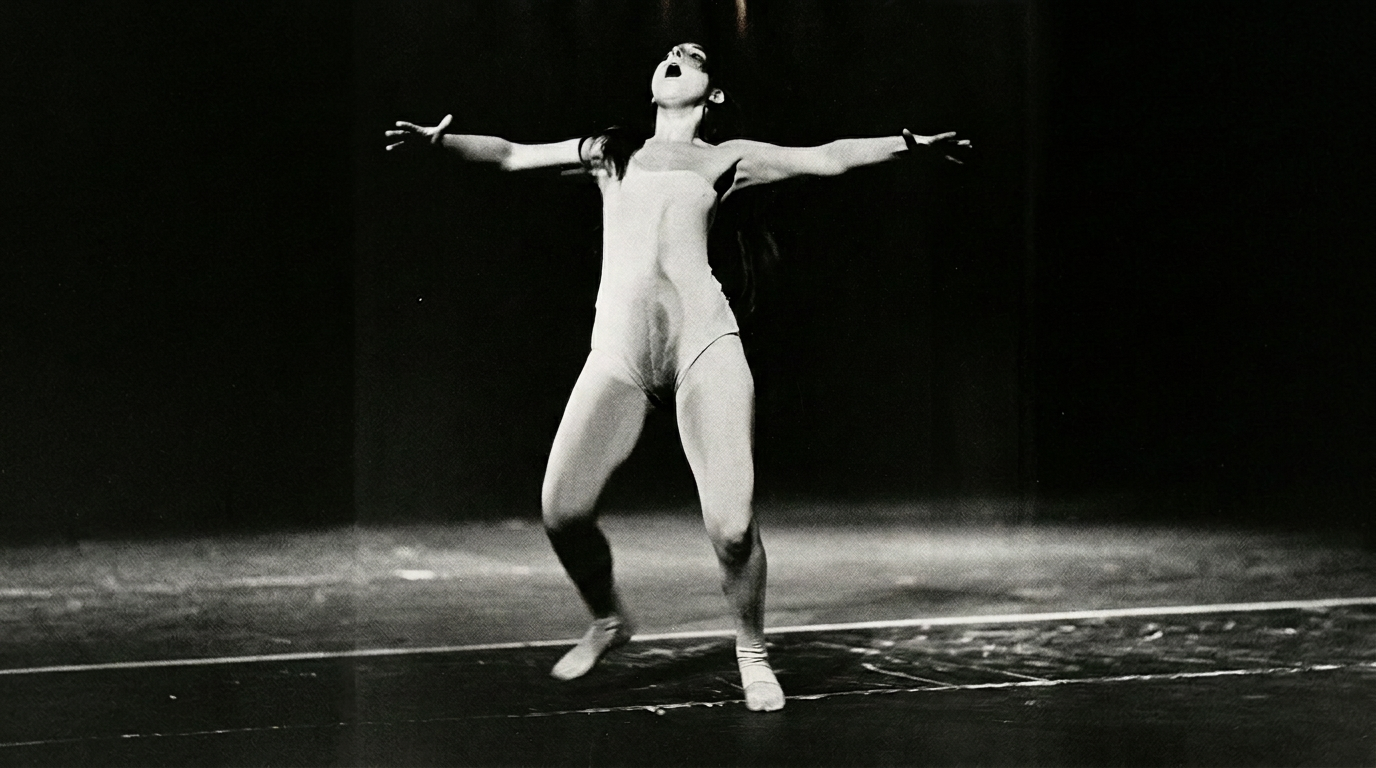
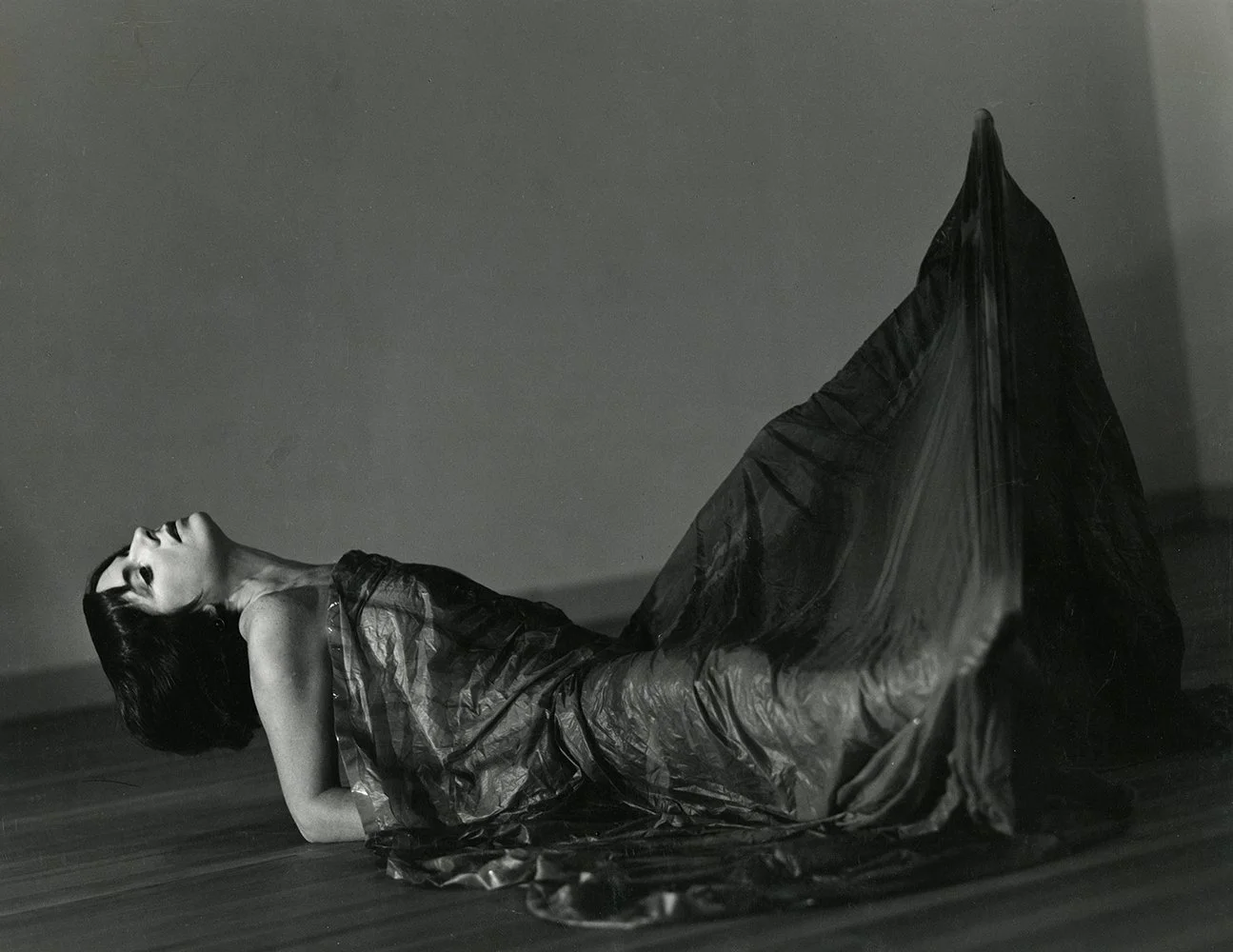
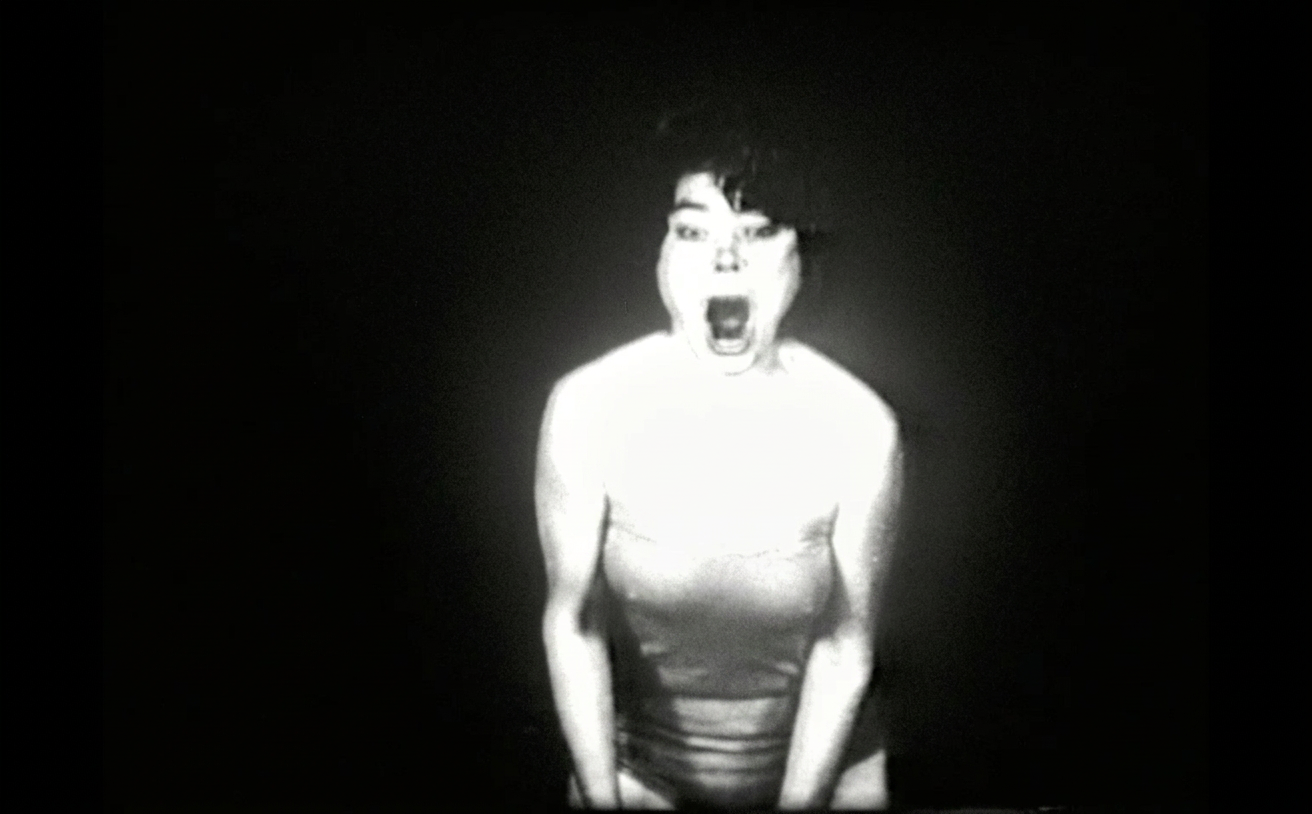
“Birth” from Anaïs Nin: A Collage (1973)
A raw exploration of female corporeality, based on an excerpt from Anaïs Nin’s writings, choreographed and performed by Nancy Spanier. The premiere was attended by Nin herself, who later described the piece in her diary: “Dance, symbolic interpretation, electronic score, narration, background of slides [...] The dance of Birth was striking.”
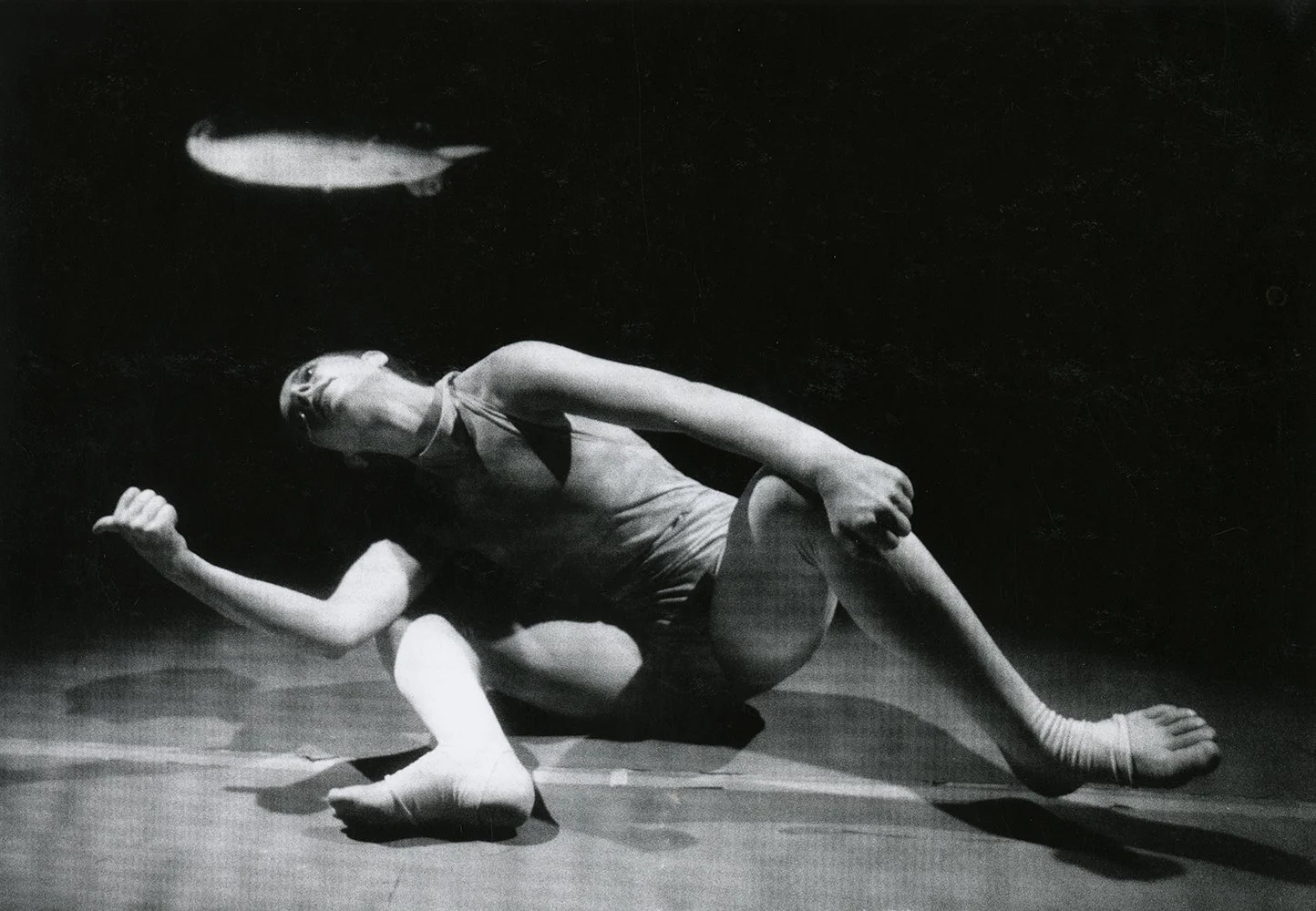
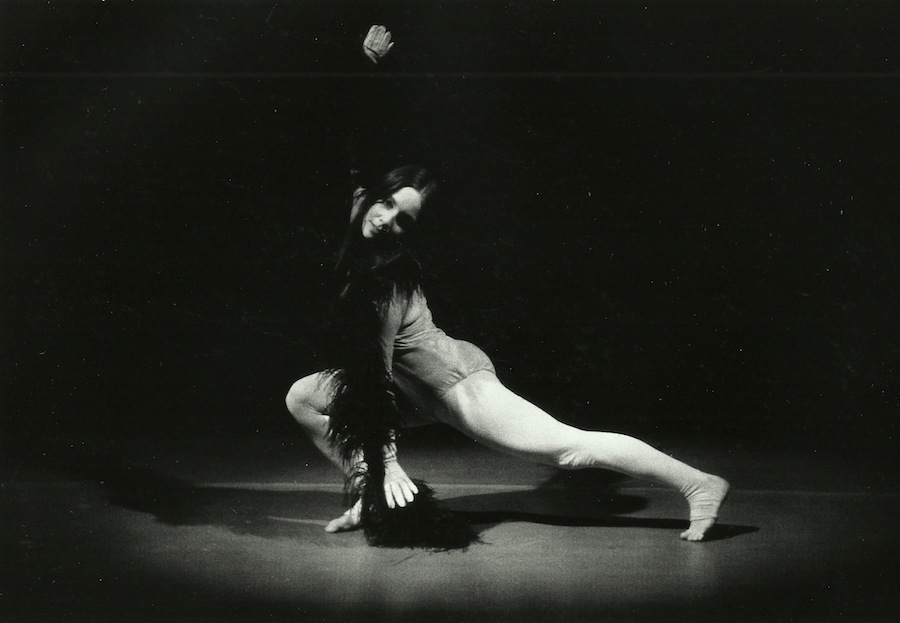
Time Wounds All Heals (1973)
A postmodern exploration of a rite of passage, centered on the ambiguity of the child-woman figure. Choreographed and performed by Nancy Spanier, with a score composed from a tape collage by Stephen Elliott. Visual design by Robert Naess; costume design by Nancy Metcalf; lighting design by Aubrey Wilson.
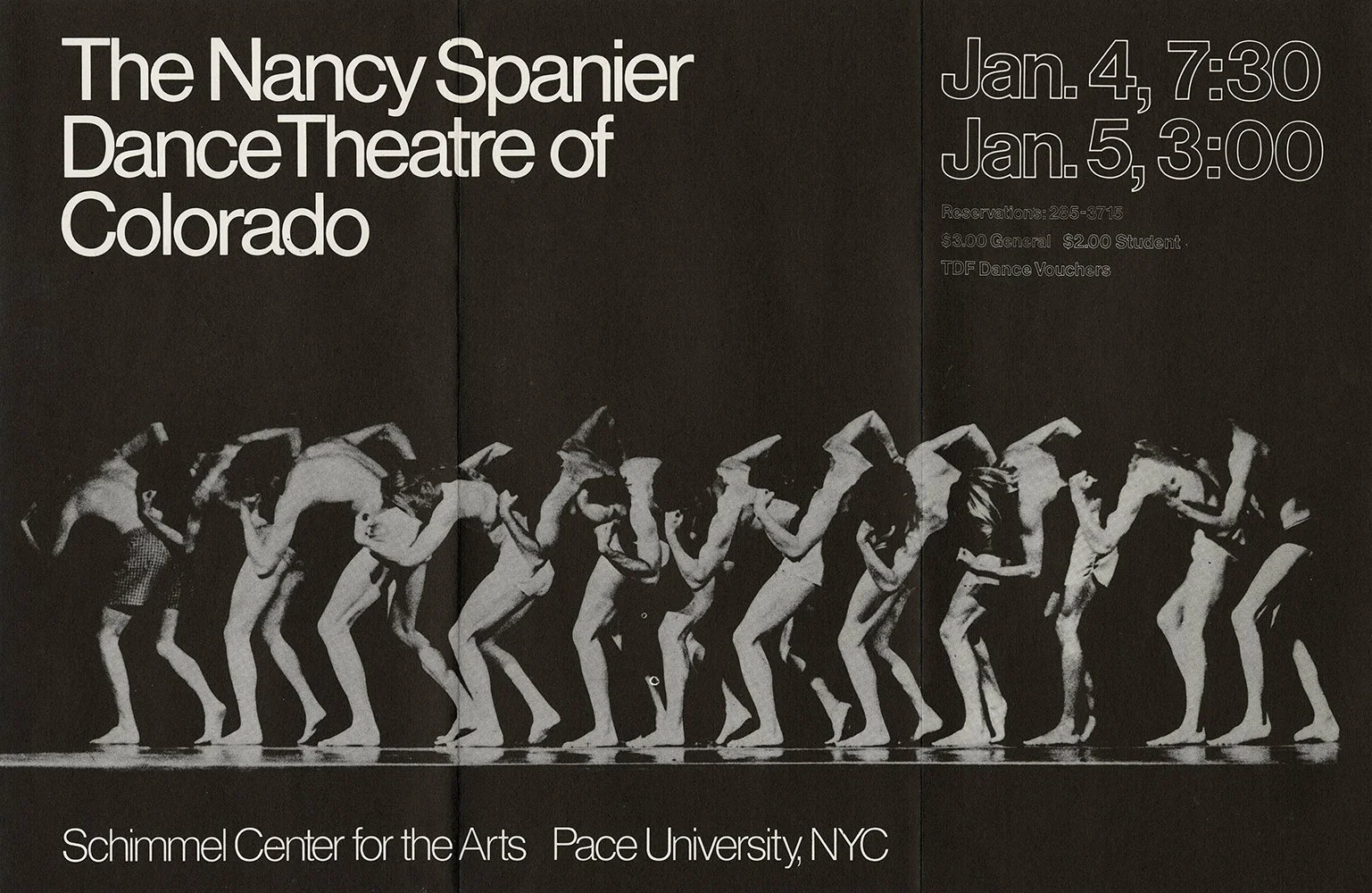
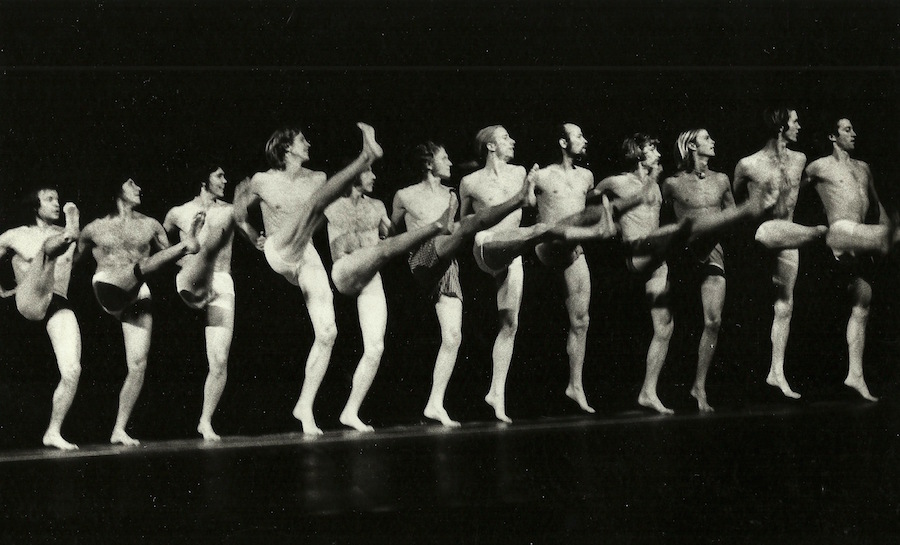
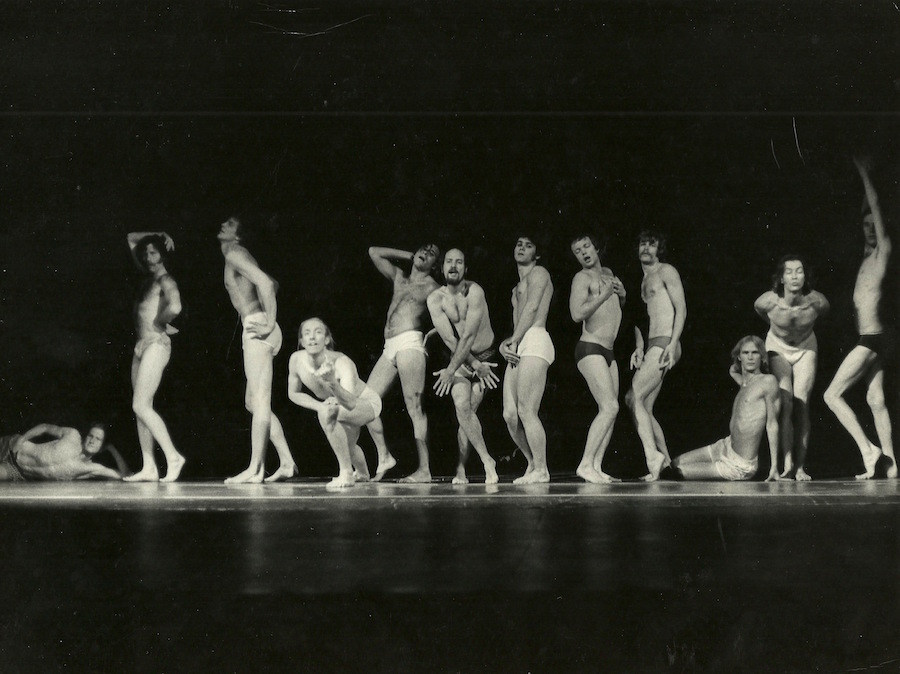
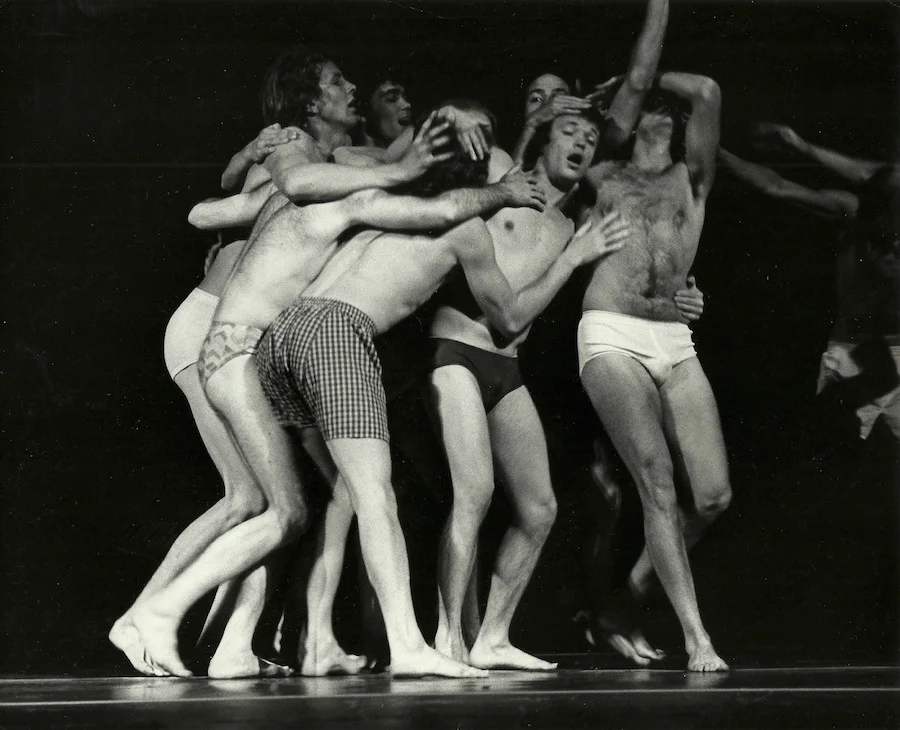
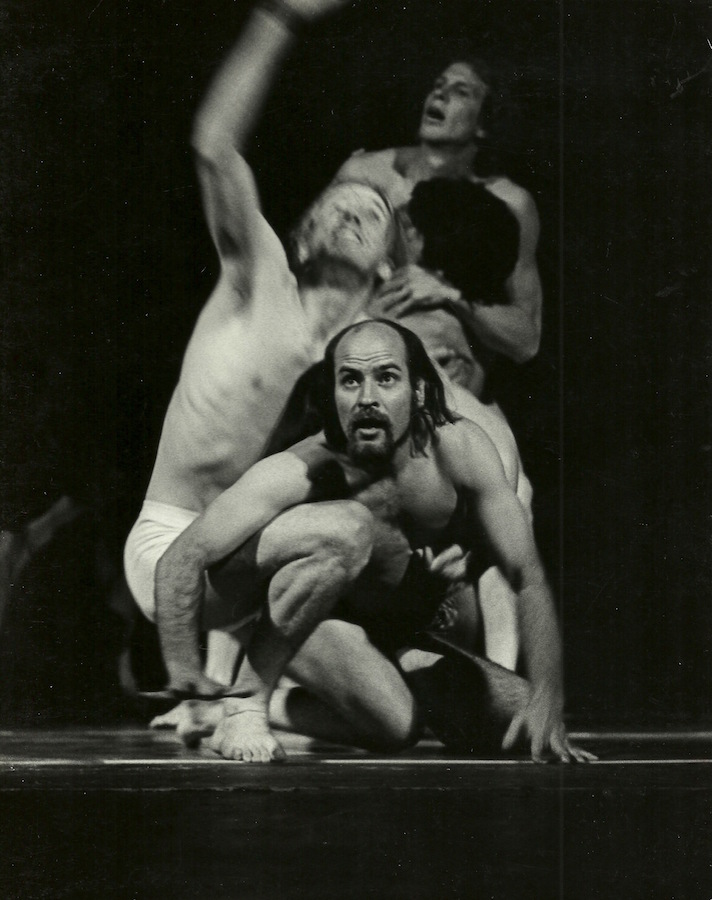
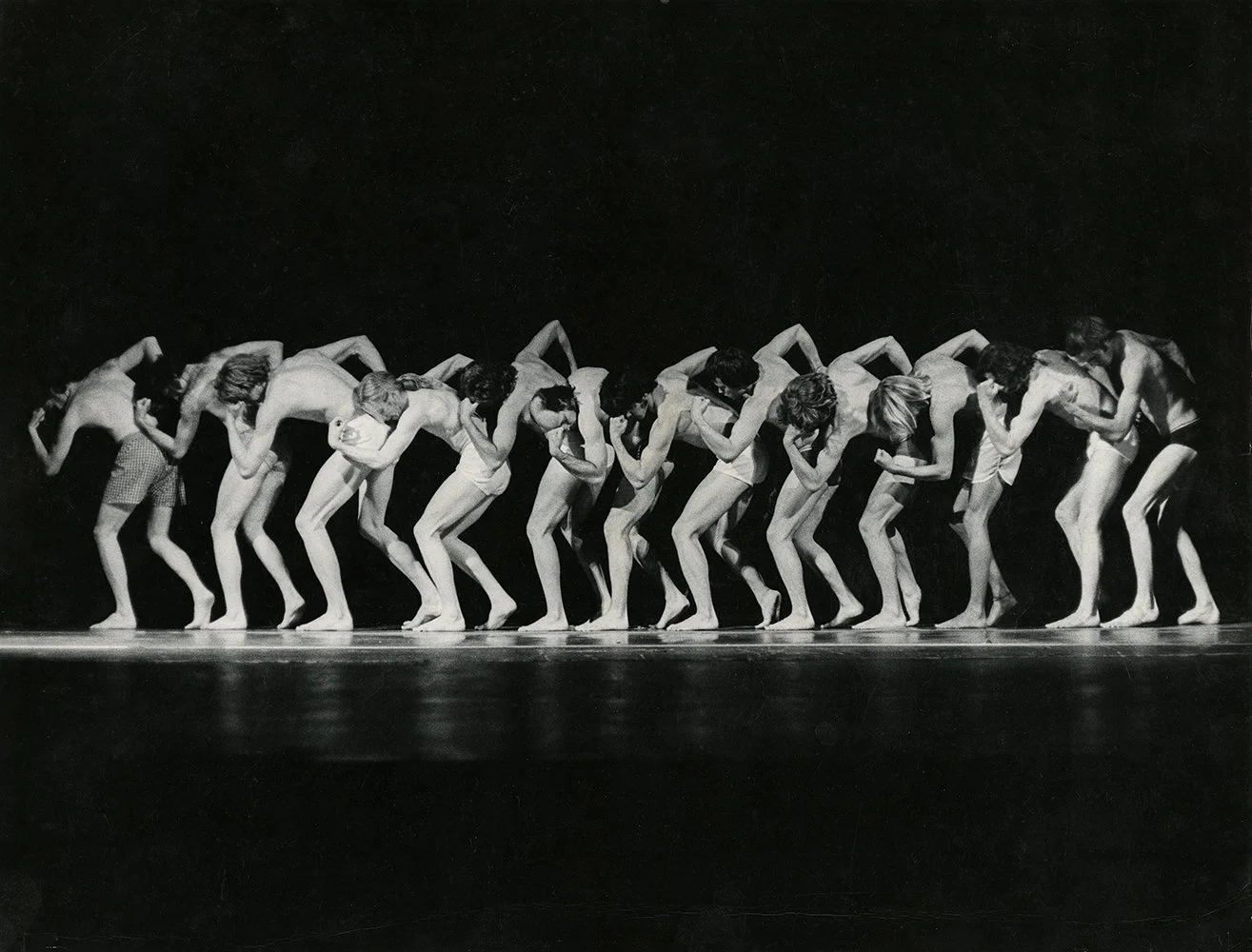
A Peep Show for Women Only (1974)
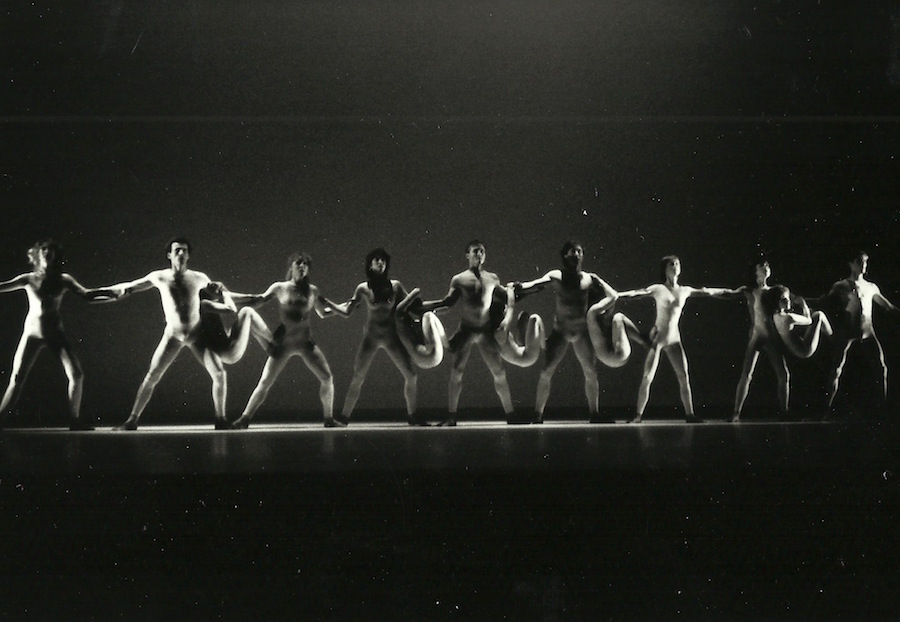
A poignant and humorous exploration of gender stereotypes, choreographed and directed by Nancy Spanier for the Schimmel Center for the Arts at Pace University in New York. Performed by twelve men in androgynous disguises, a mix of professional and nonprofessional performers, with music by Noël Coward.
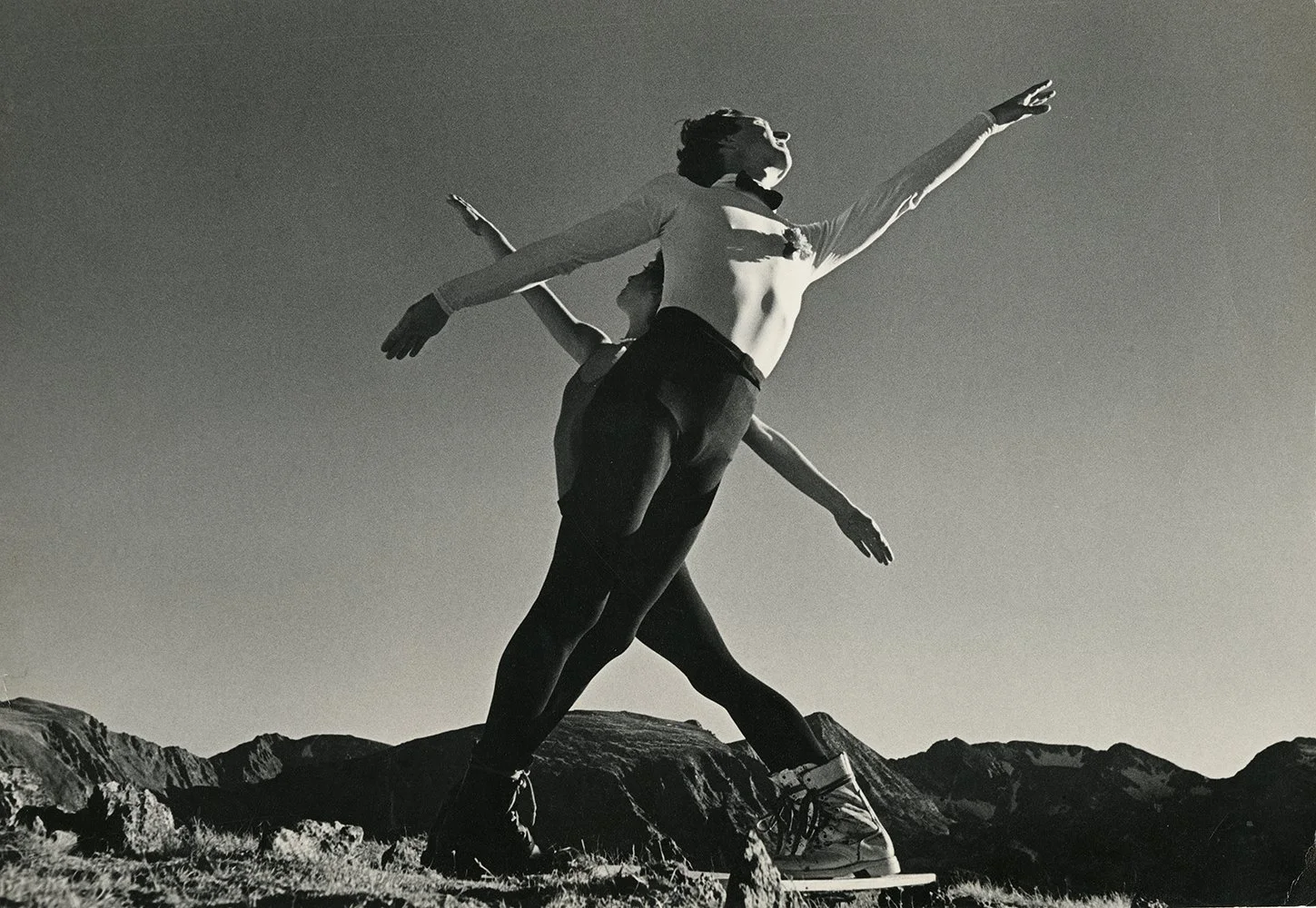
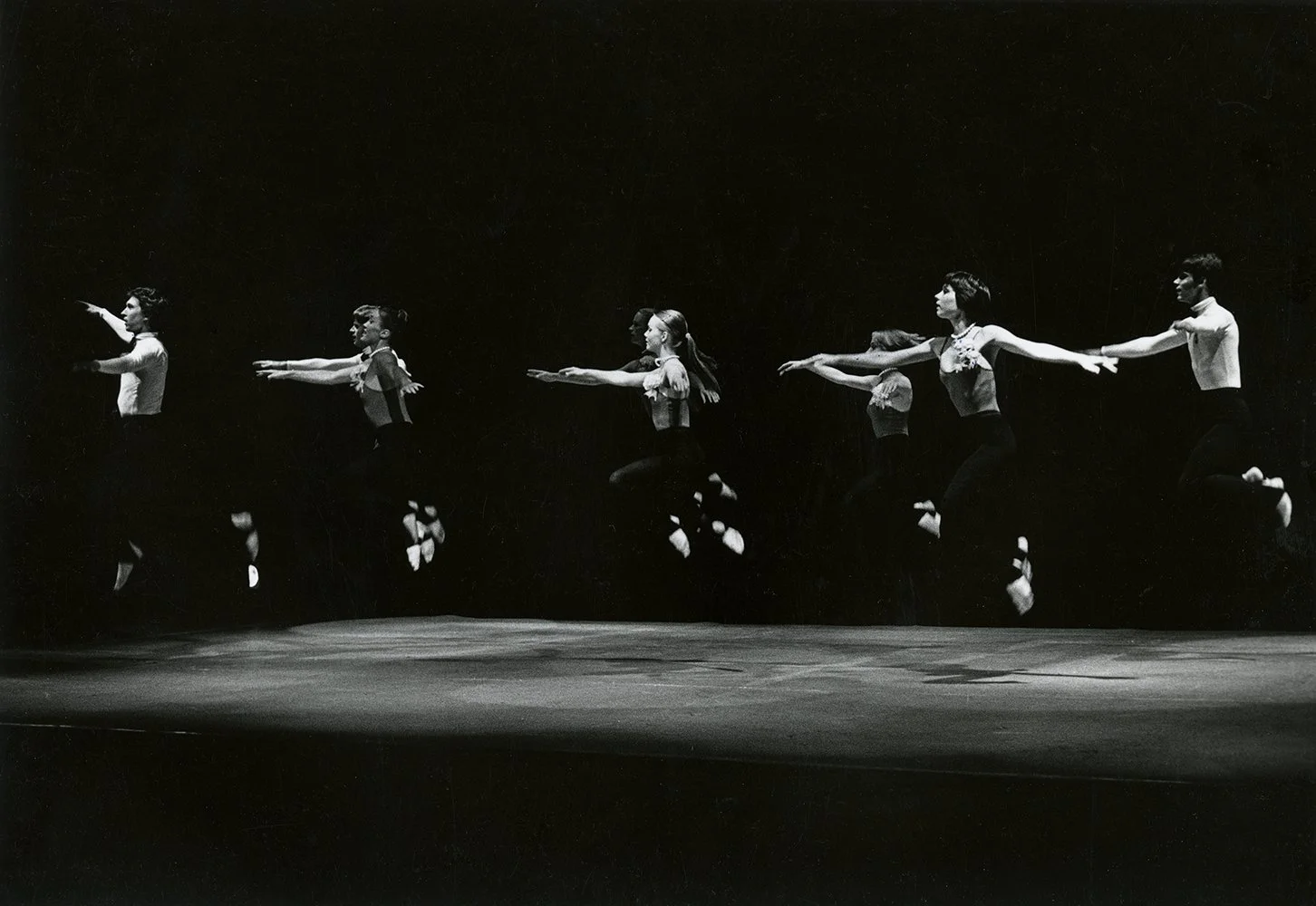
Abundance (1976)
A seminal investigation into the obstruction technique, through the use of a specially designed sculpture by Robert Naess, known as the “boot-board.” Choreographed and directed by Spanier and performed by the Nancy Spanier Dance Theatre, with music by Johann Sebastian Bach and costume design by David A. Busse.
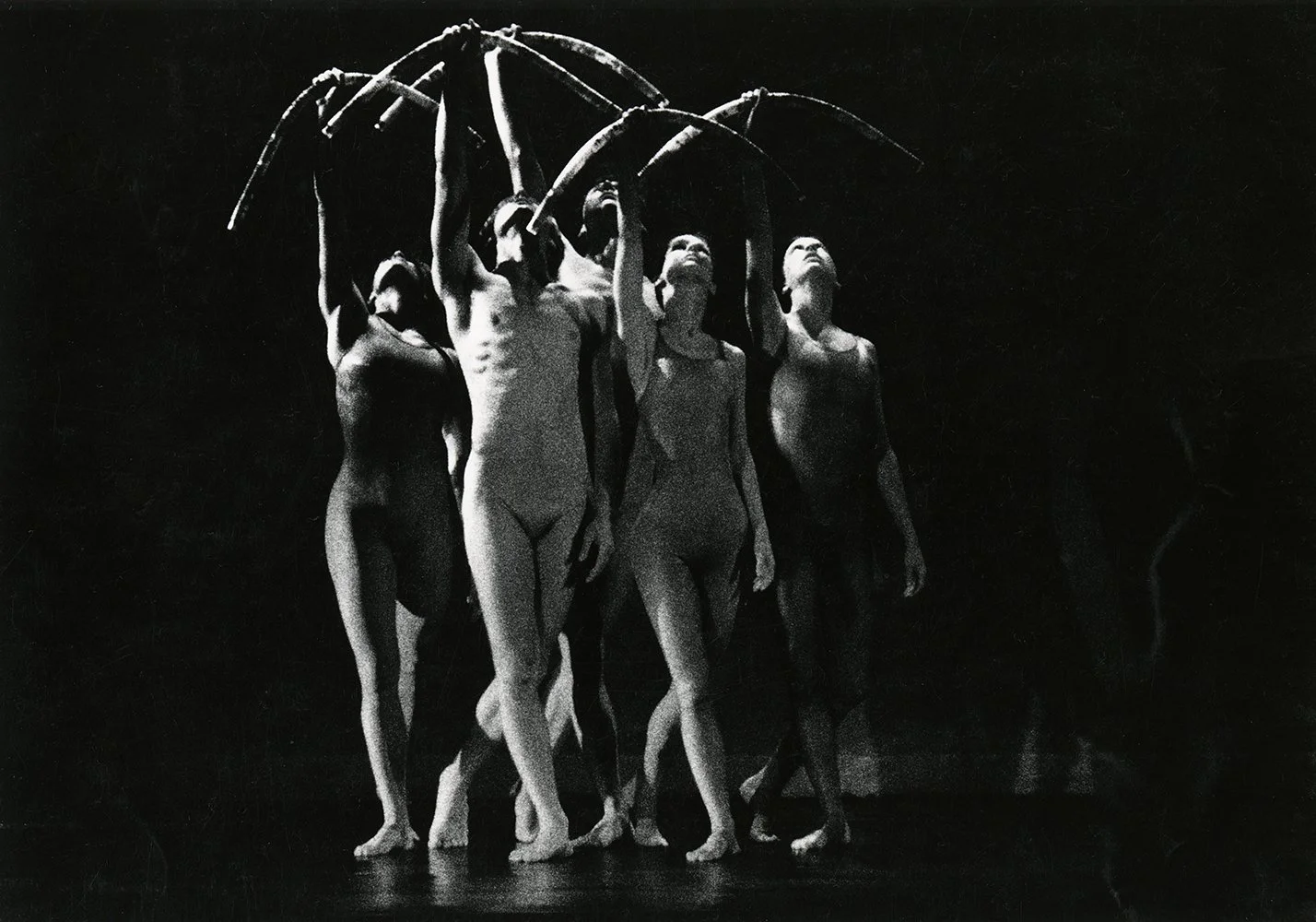
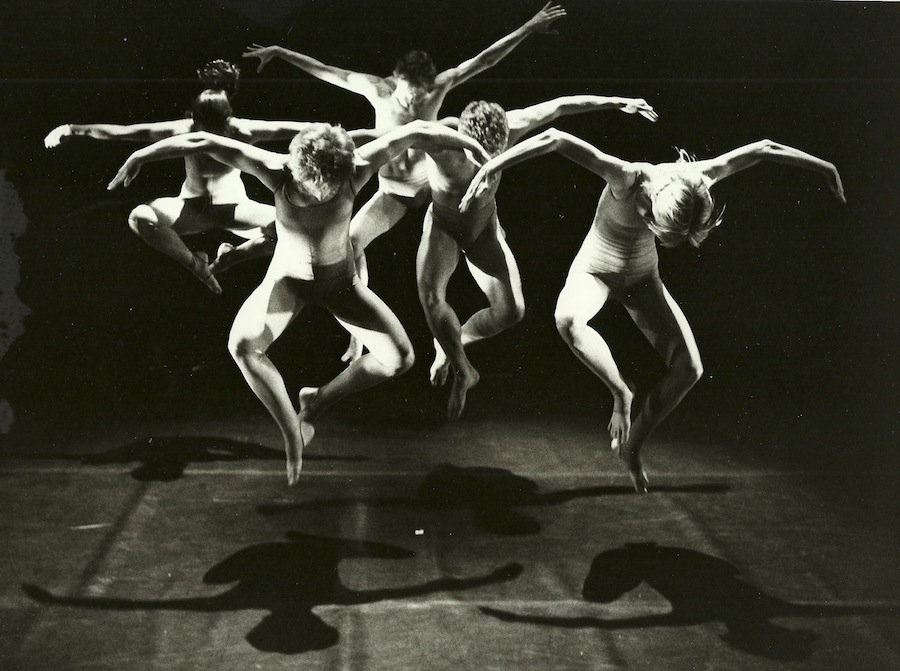
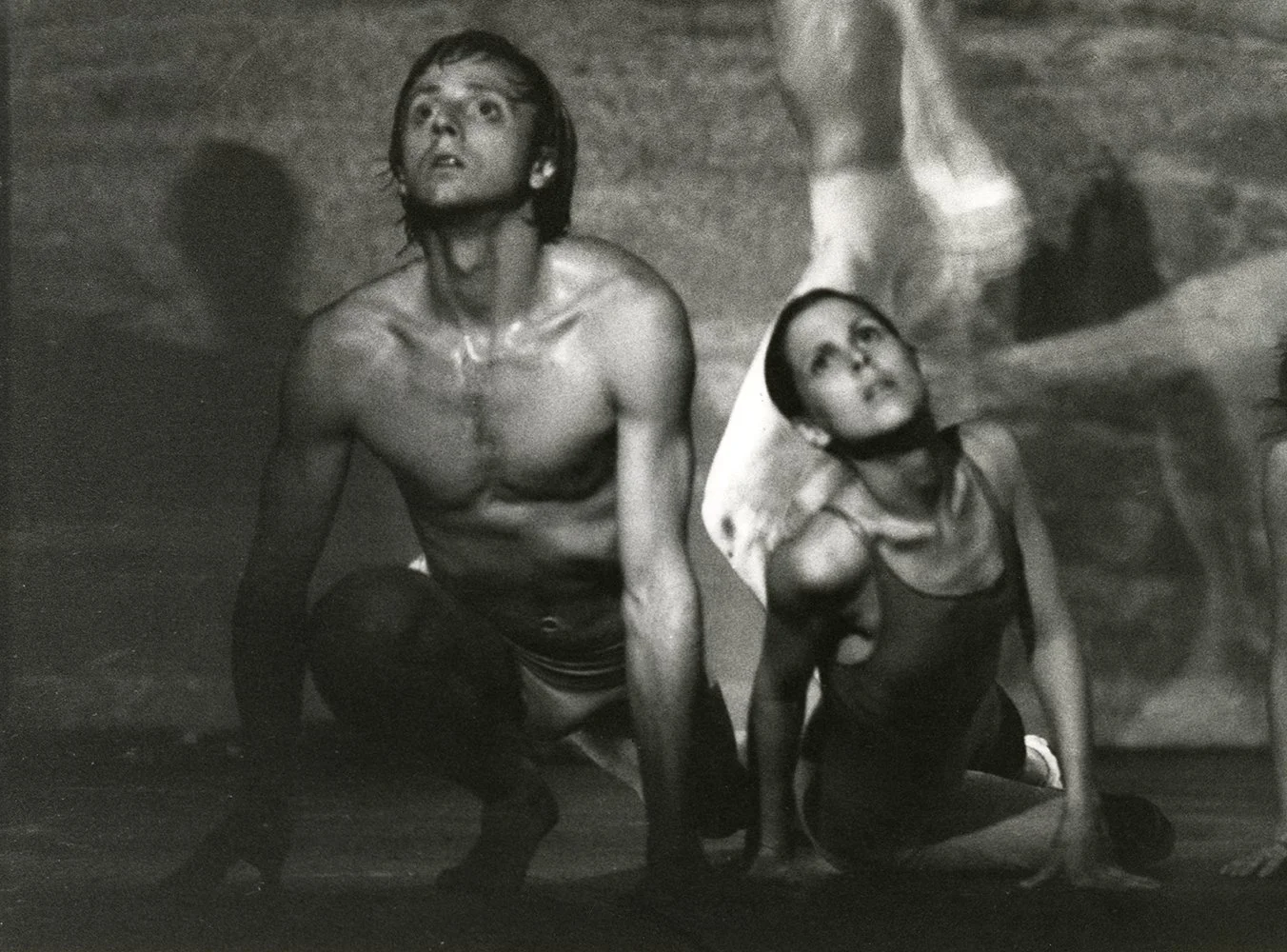
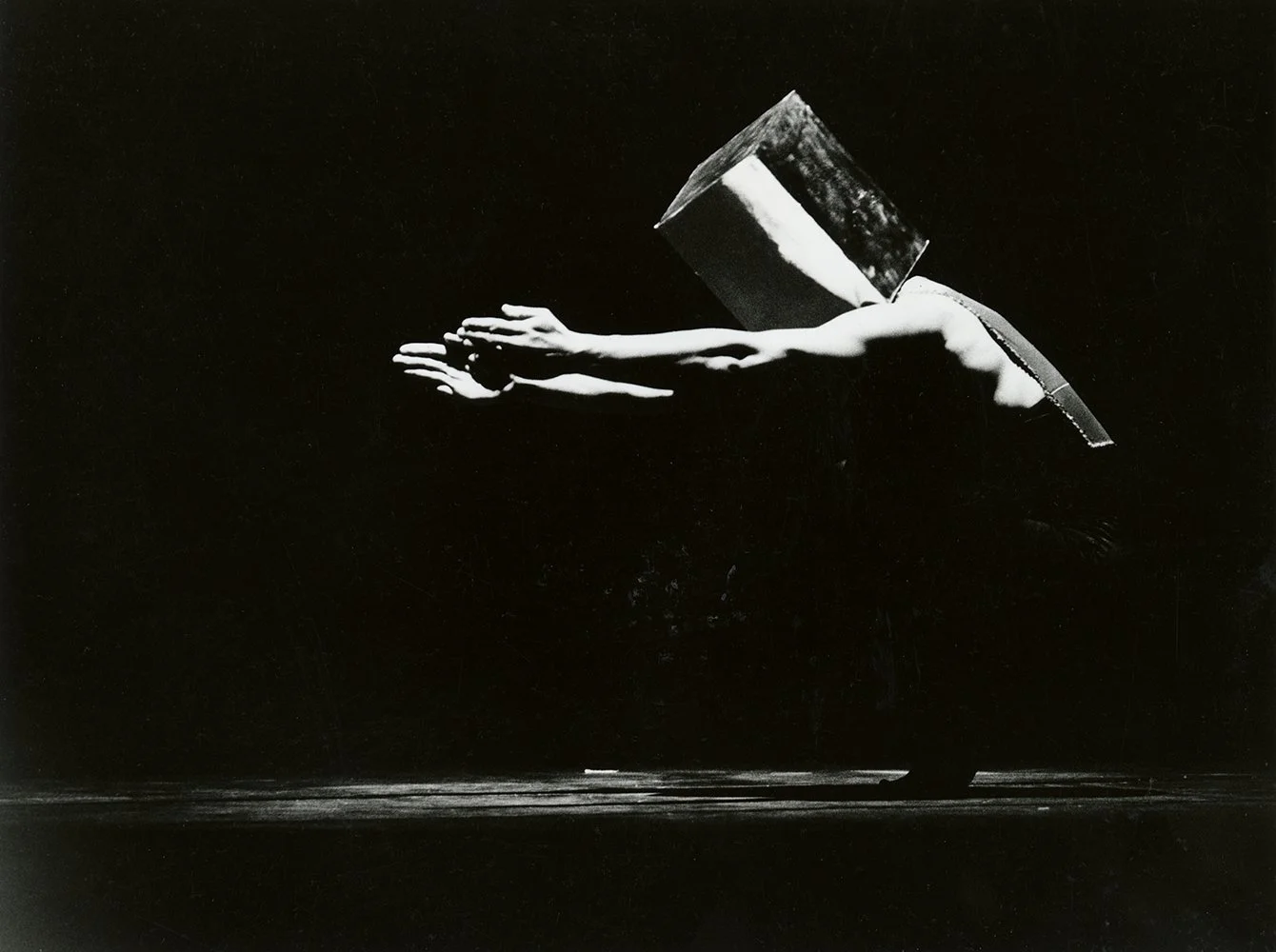
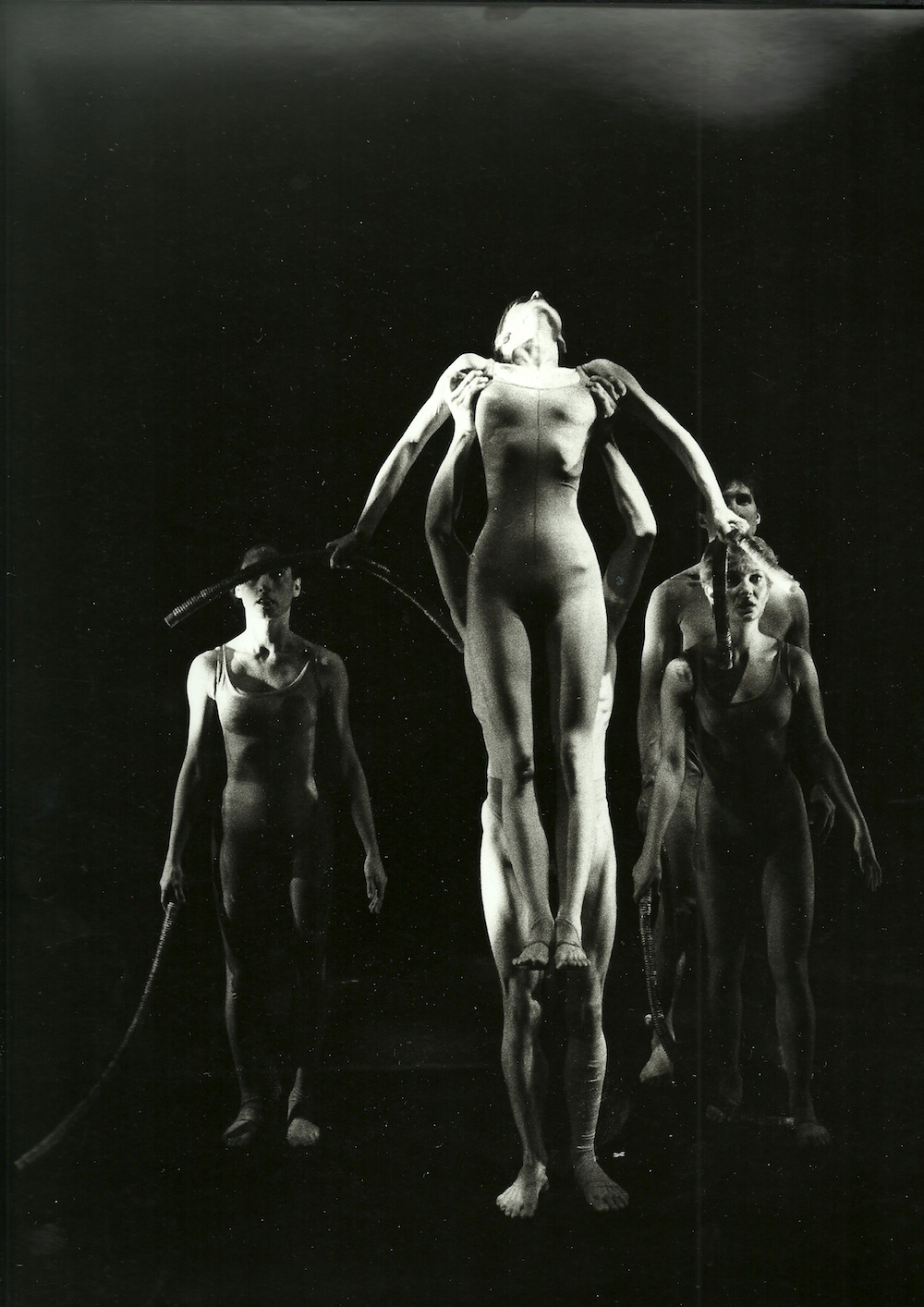
Show on Earth (1976)
A choreographic work using the circus as a metaphor for the juxtaposition between contemporary life and primitivism. Choreographed by Nancy Spanier, performed by Nancy Spanier Dance Theatre, with music by Alejandro Jodorowsky, Mozart, Australian tribal music, and Jack Nitzsche; costume design by David A. Busse and Nancy Metcalf; and set and lighting design by Debora Stoll.
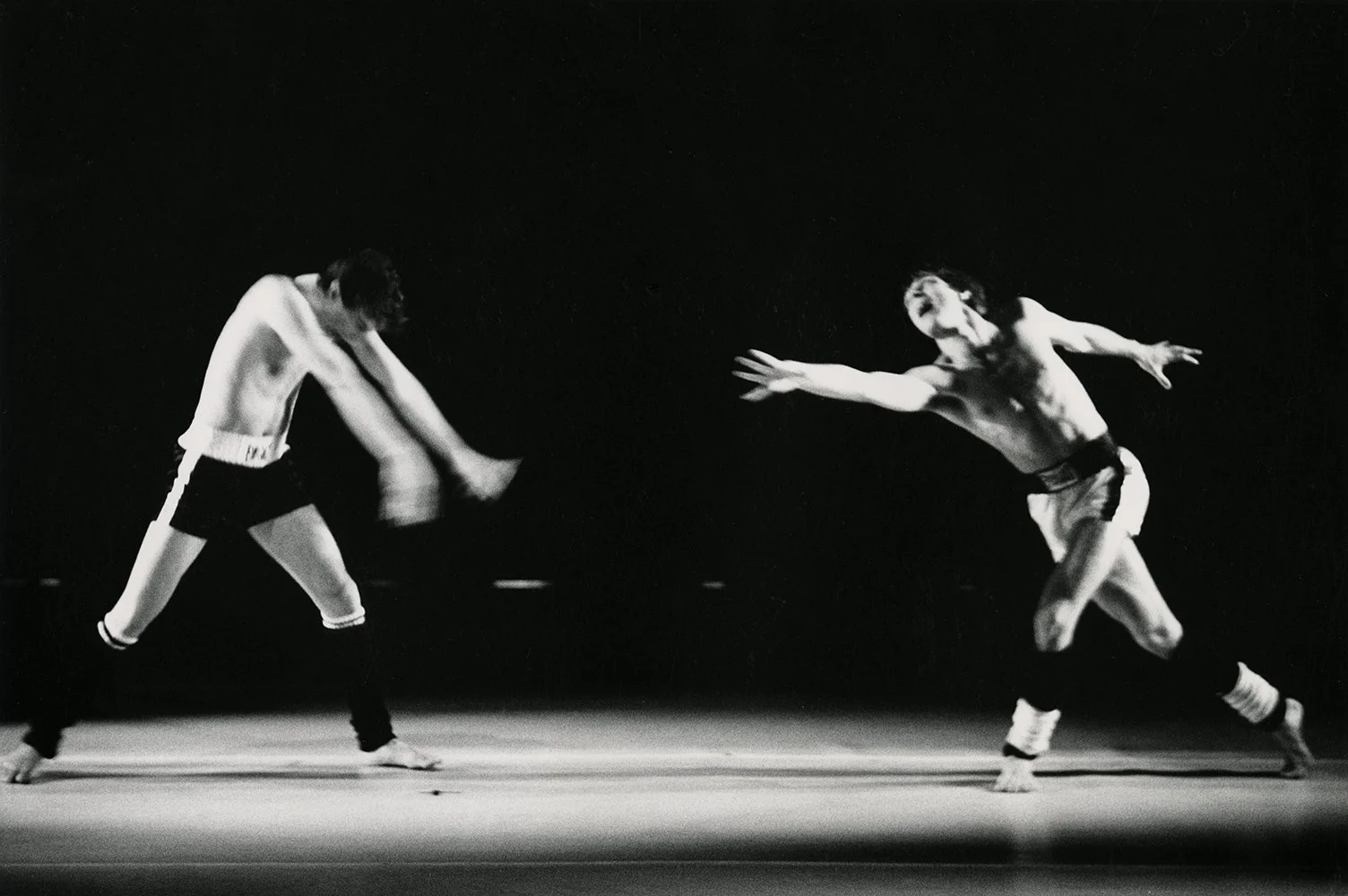
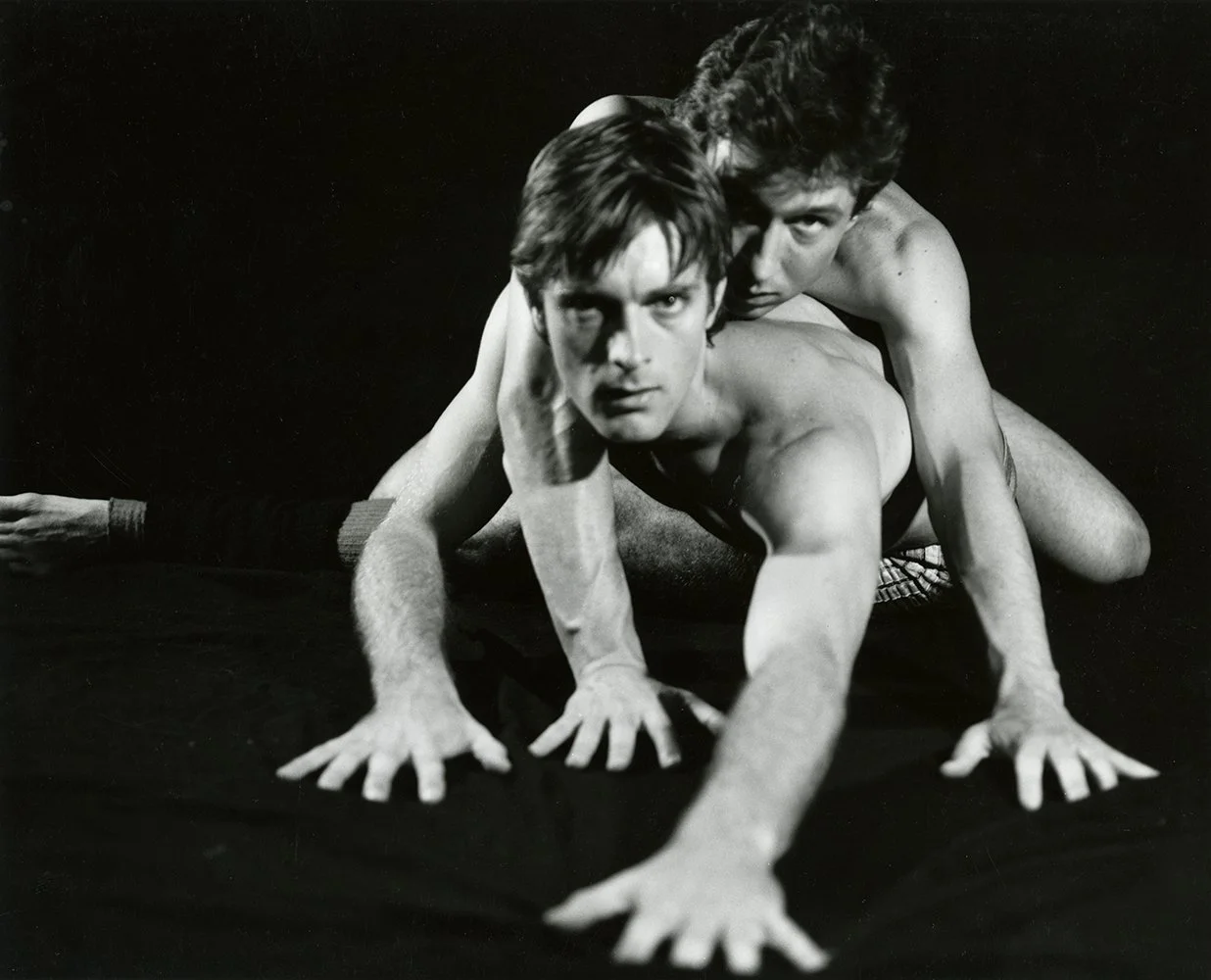
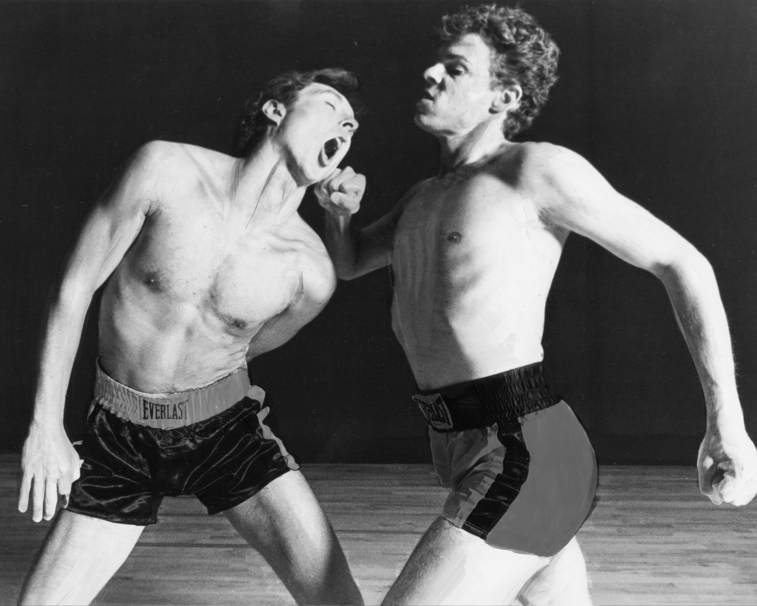
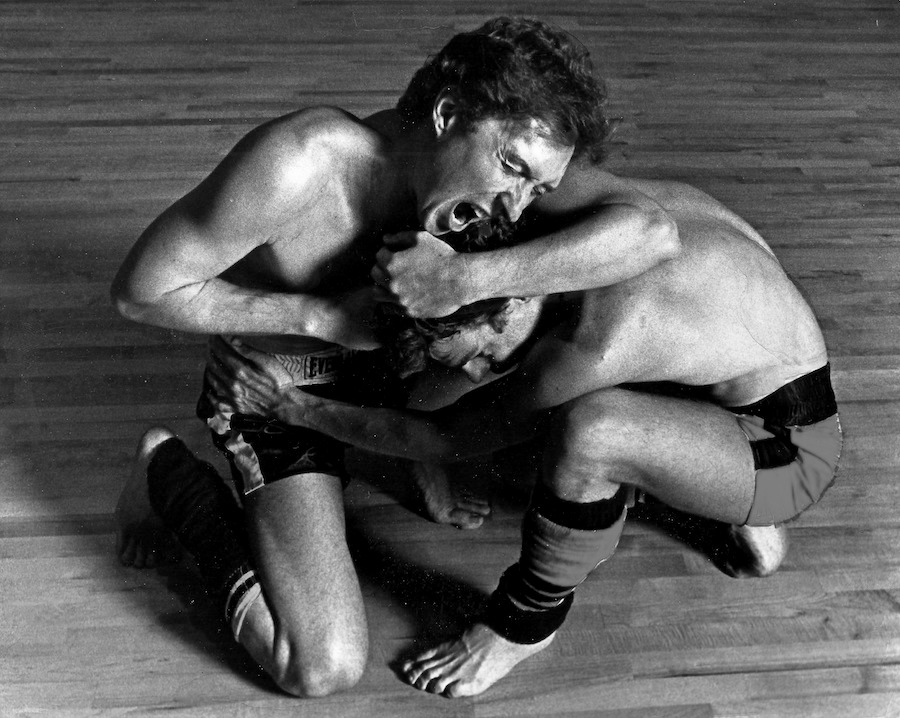
Arena: A Documentary in Five Rounds (1978)
A male duet using the boxing ring as a metaphor for exploring male intimacy. Choreographed and directed by Nancy Spanier, performed by Nancy Spanier Dance Theatre, scored to a tape collage by Nancy Spanier, costume design by Nancy Metcalf, and lighting design by Aubrey Wilson.
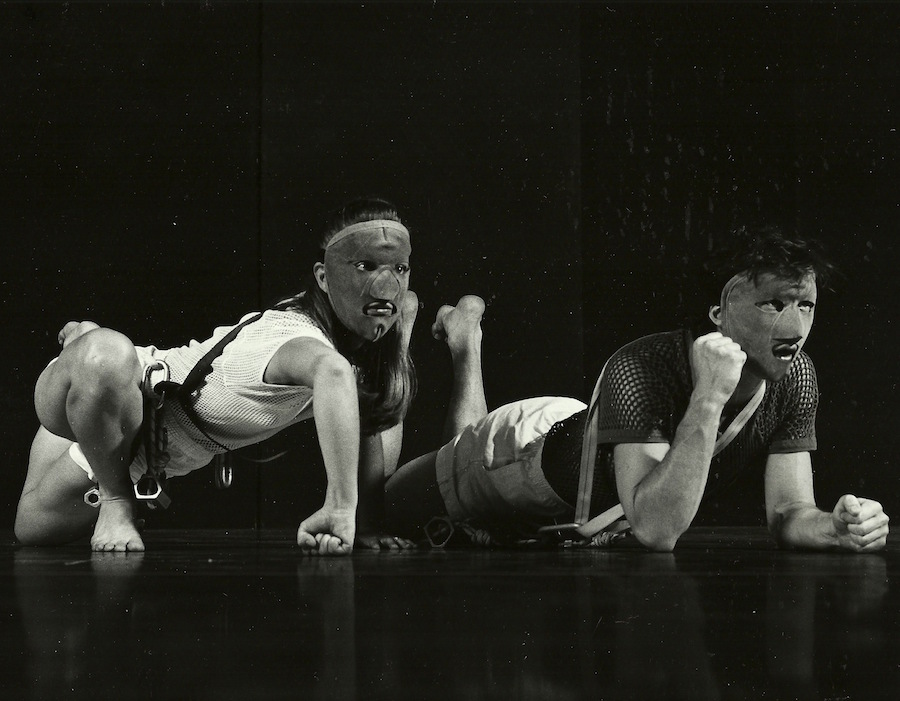
High Country (1980)
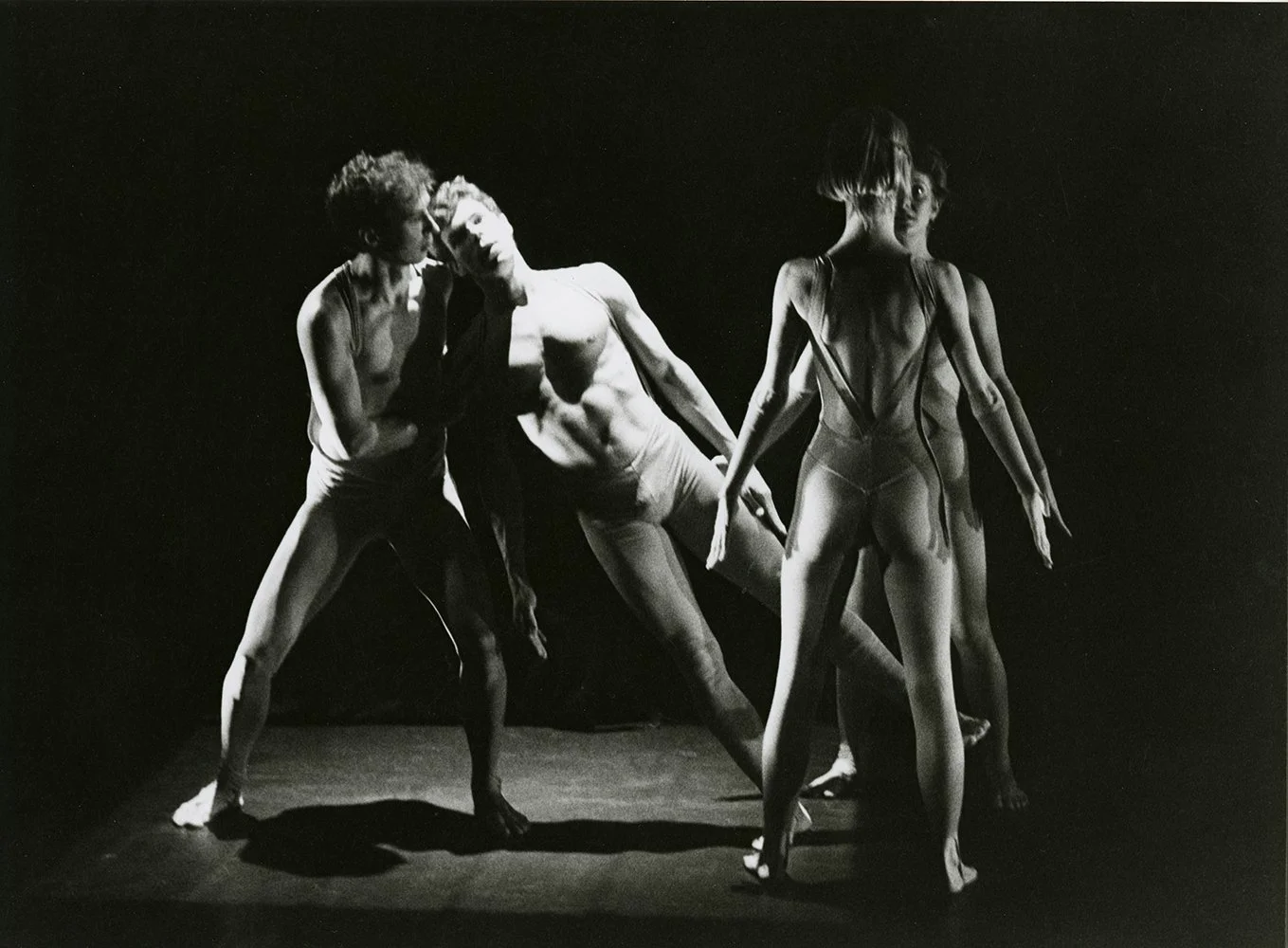
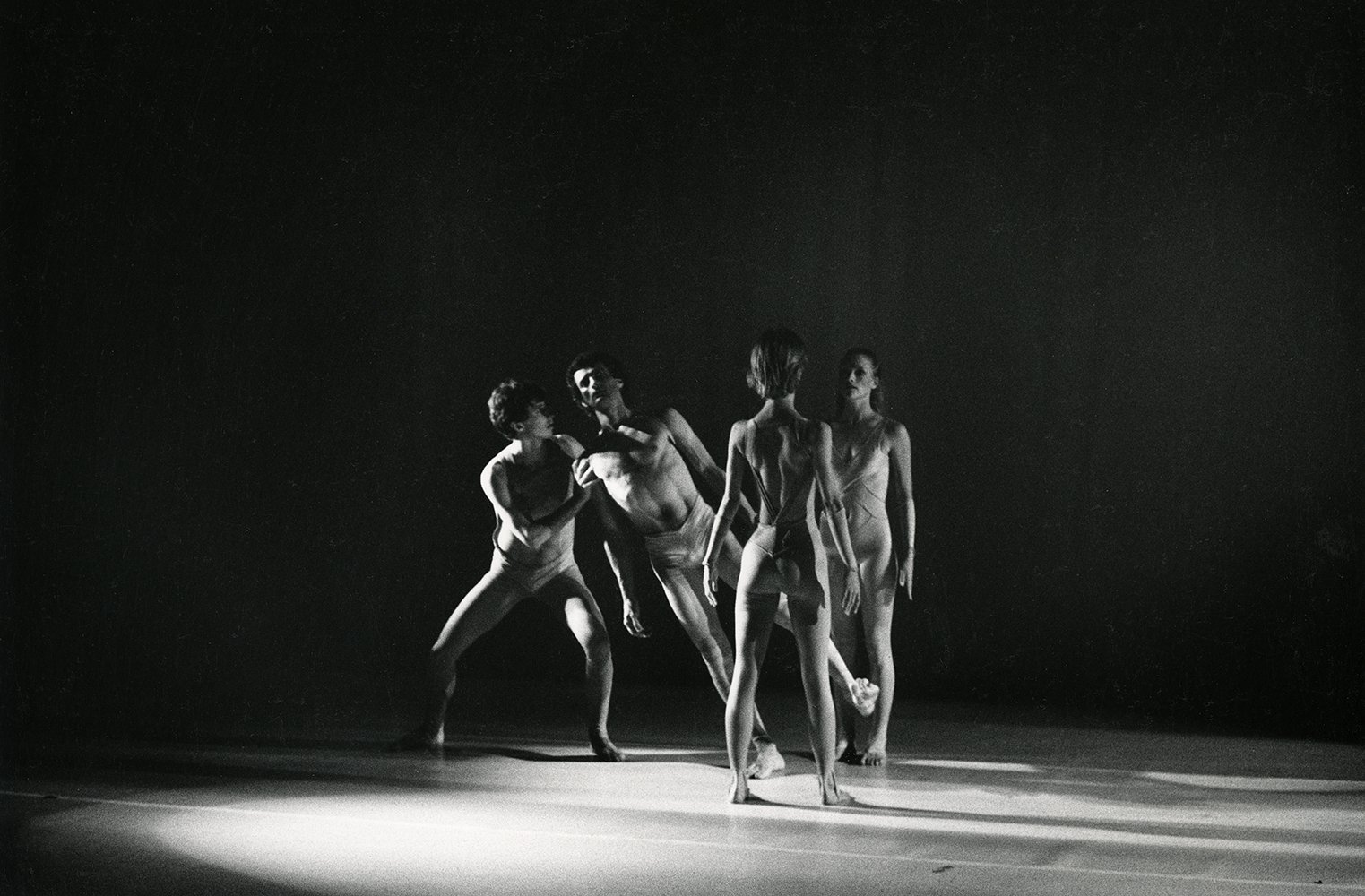
A full-length evening work exploring Boulder, Colorado’s New Age bubble, its rich cultural life, and its spectacular natural environment. Choreographed and directed by Nancy Spanier and performed by the Nancy Spanier Dance Theatre, with costumes by Nancy Metcalf, lighting by Joe Zender, and a musical score featuring works by André Mathieu, Victor Vogel, Antonio Vivaldi, Jack Nitzsche, Alejandro Jodorowsky, Tobias Tenenbaum, Charlie Morrow, M. Clements, Colette Roumanoff, and Bruce Springsteen.
Pageant in Passage (1981)
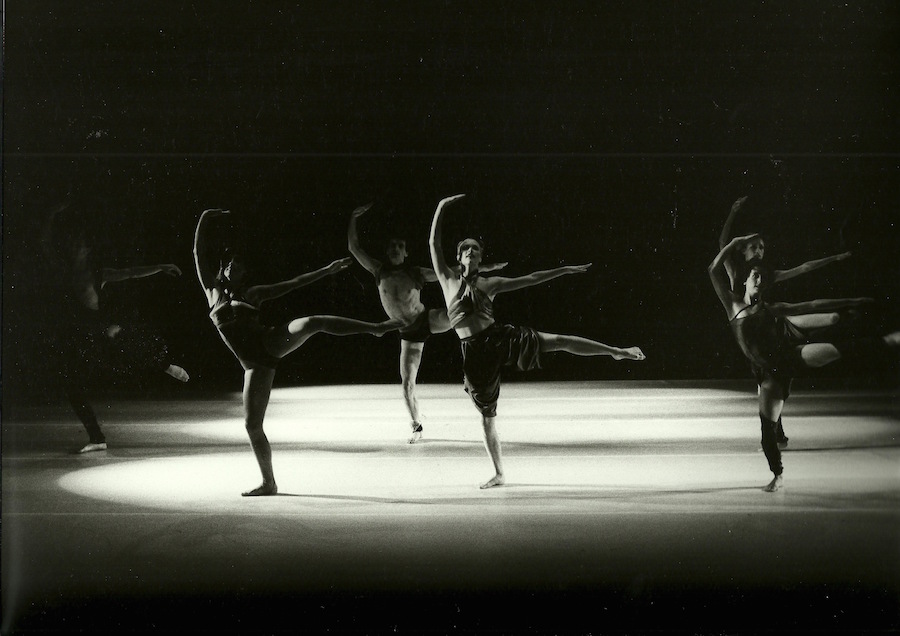
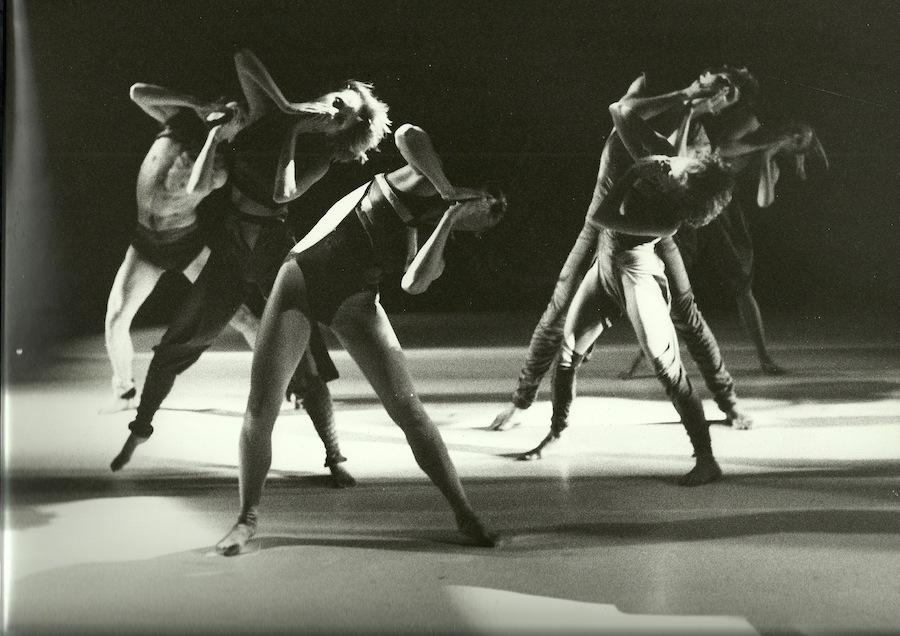
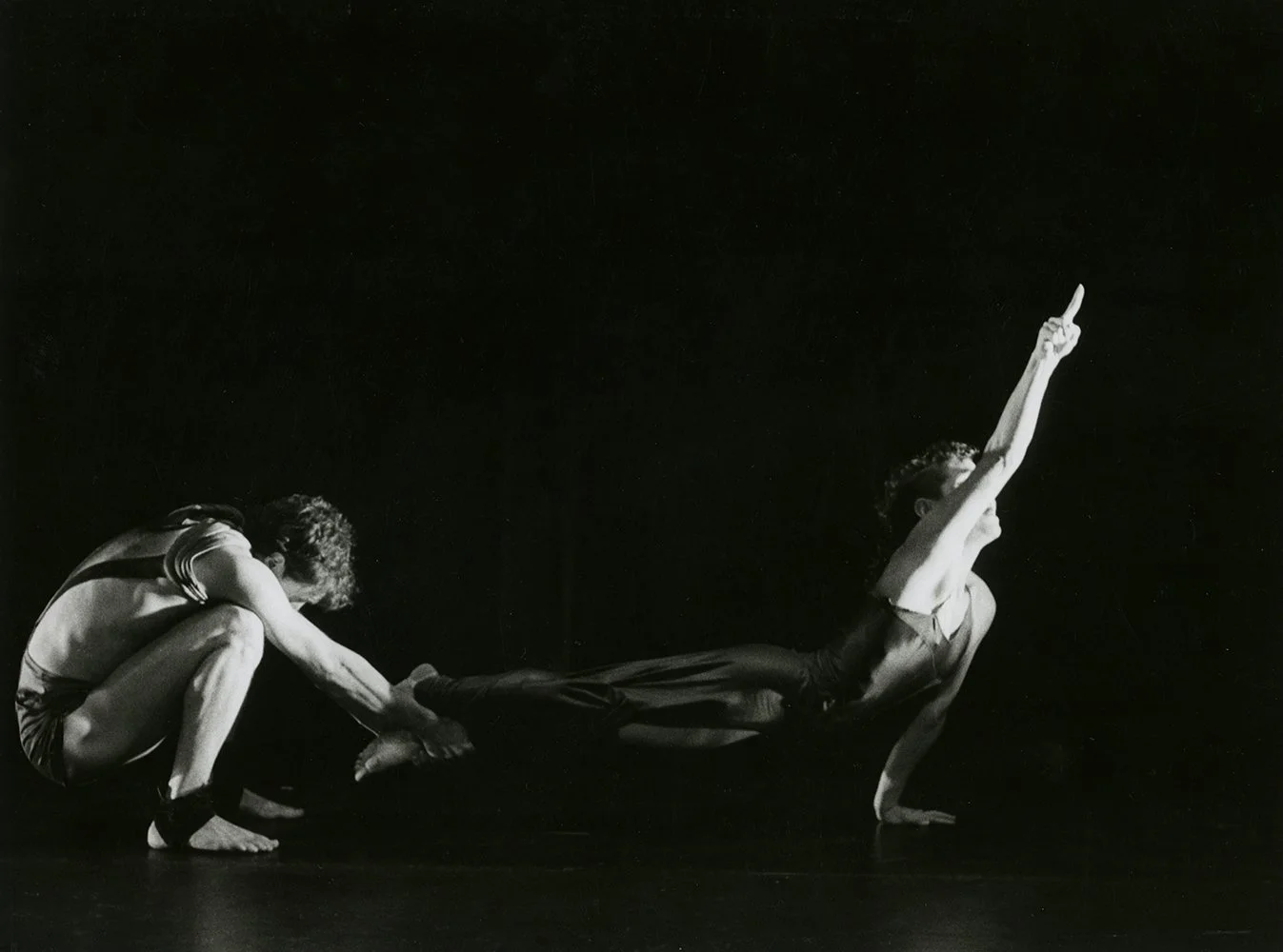
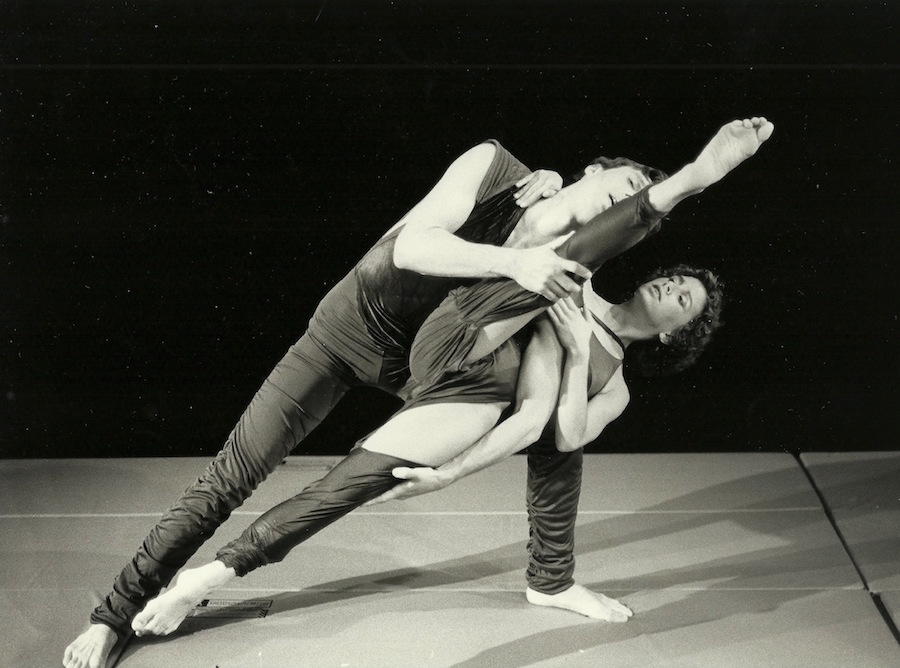
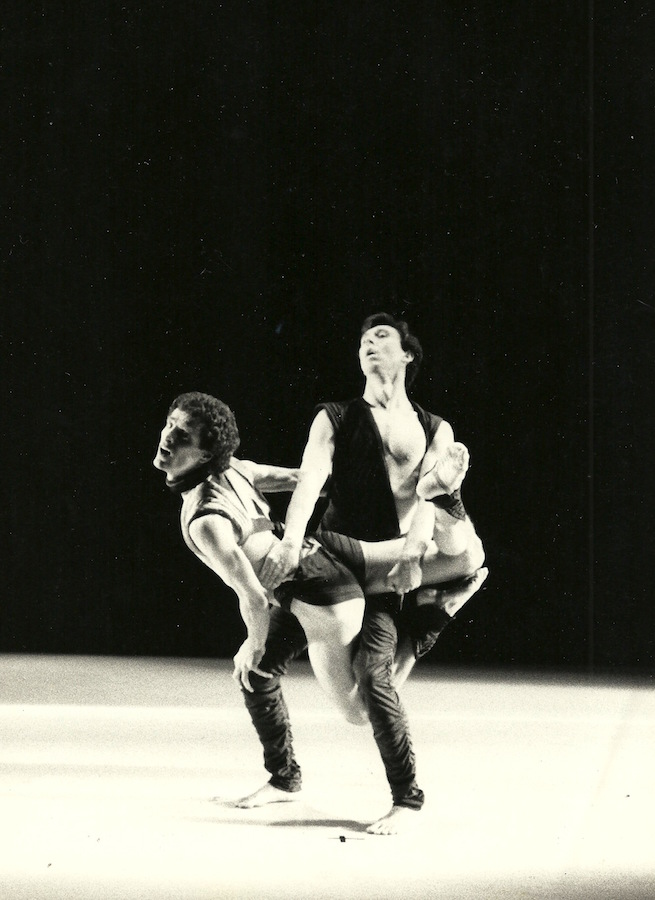
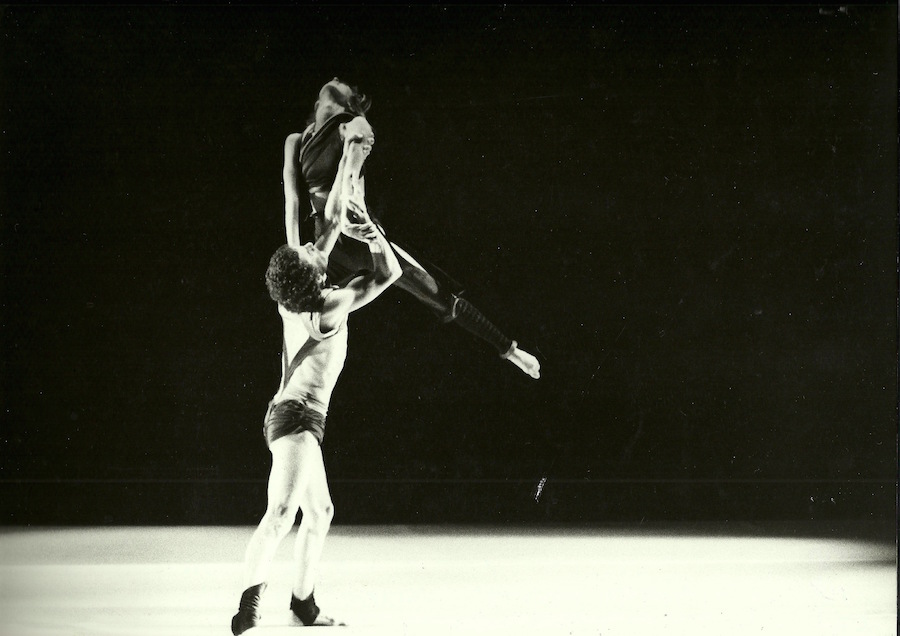
A five-act mystery play directed and choreographed by Nancy Spanier, performed by Nancy Spanier Dance Theatre, with music by Sky, Vivaldi, and Benda, costume design by Nancy Metcalf, and lighting design by Steven Carmichael.
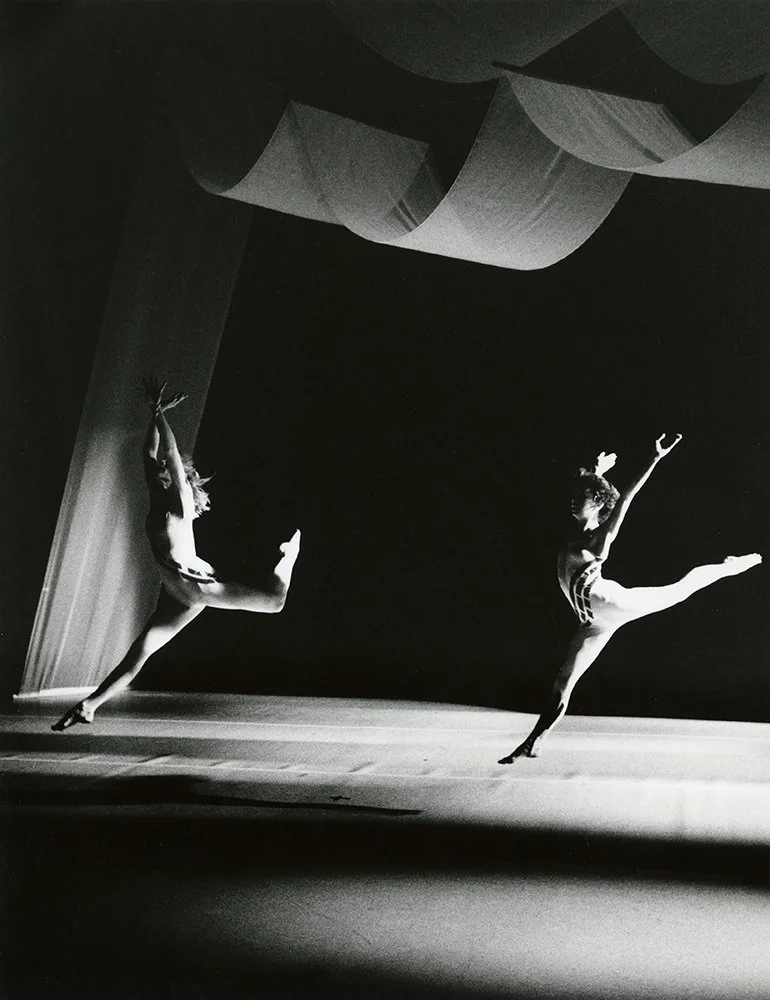
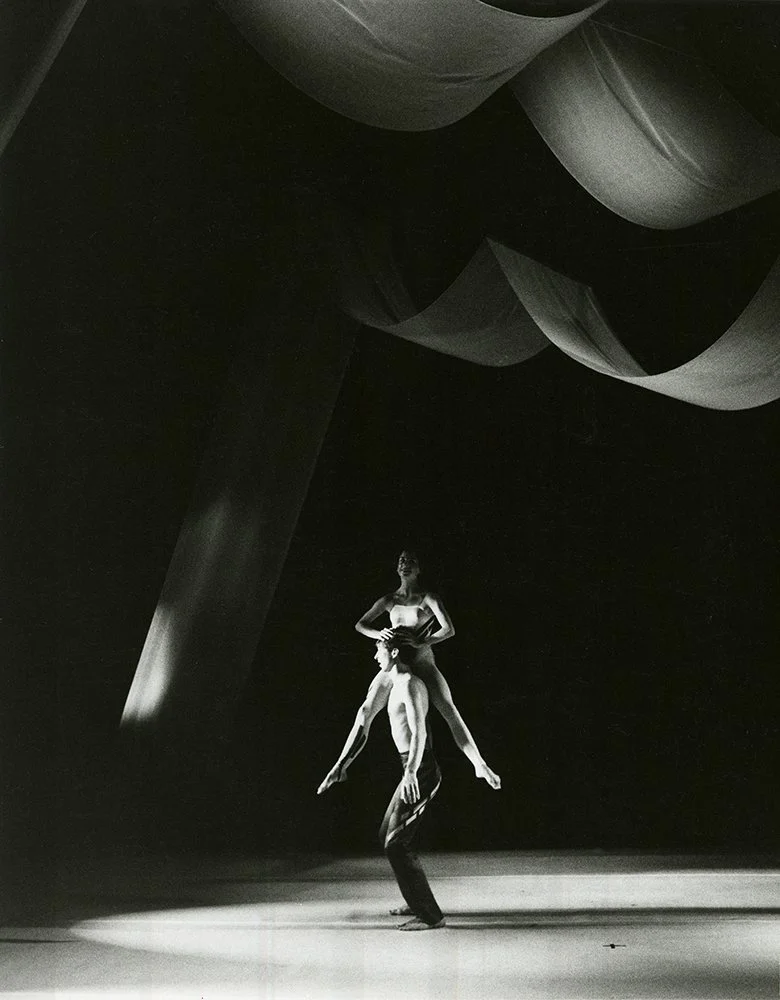
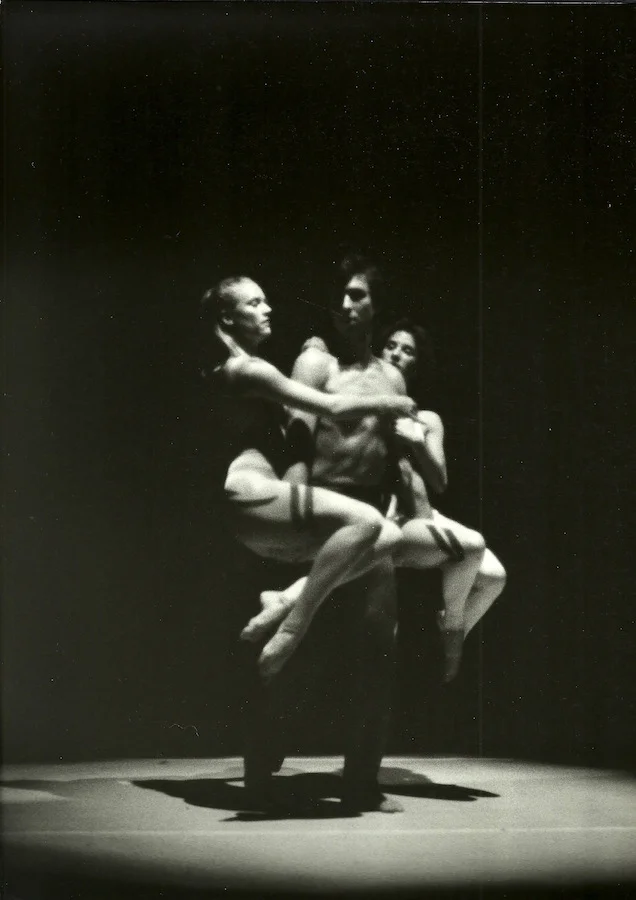
Triptych (1981)
A choreographic reverie about love and intimacy in a triangular relationship. Conceived and directed by Nancy Spanier, performed by Nancy Spanier Dance Theatre, with music by Jefferson Airplane and Arcangelo Corelli, costume design by Nancy Metcalf, set design by Barbara Baer, and lighting design by Peter Nielson.
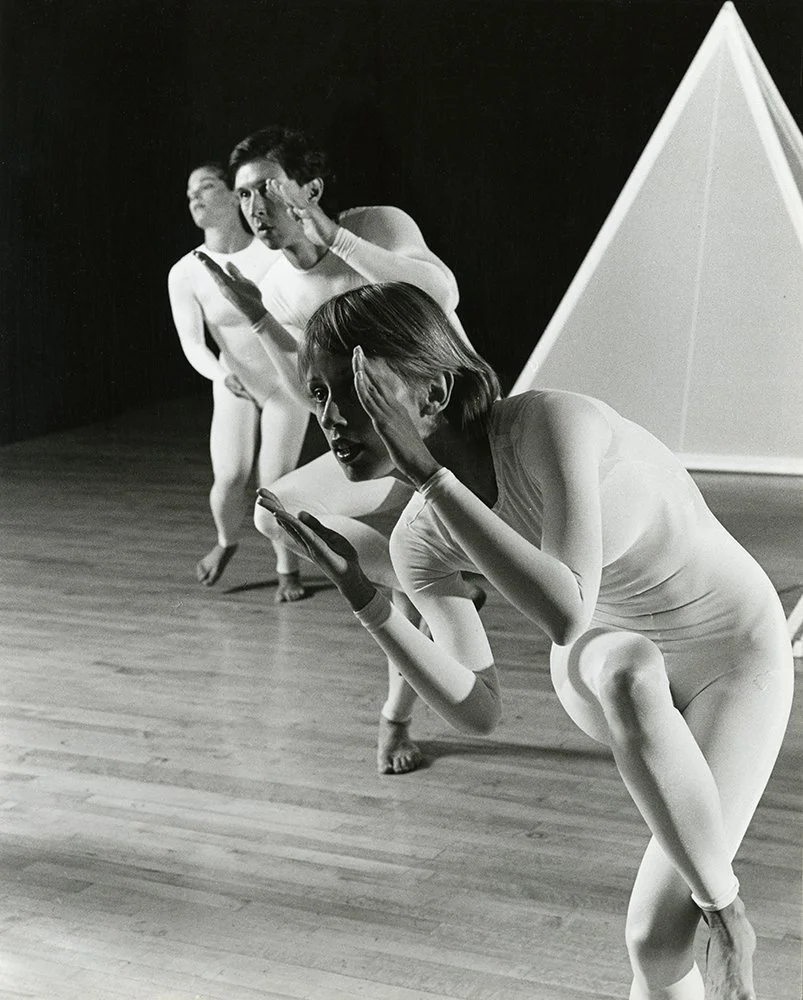
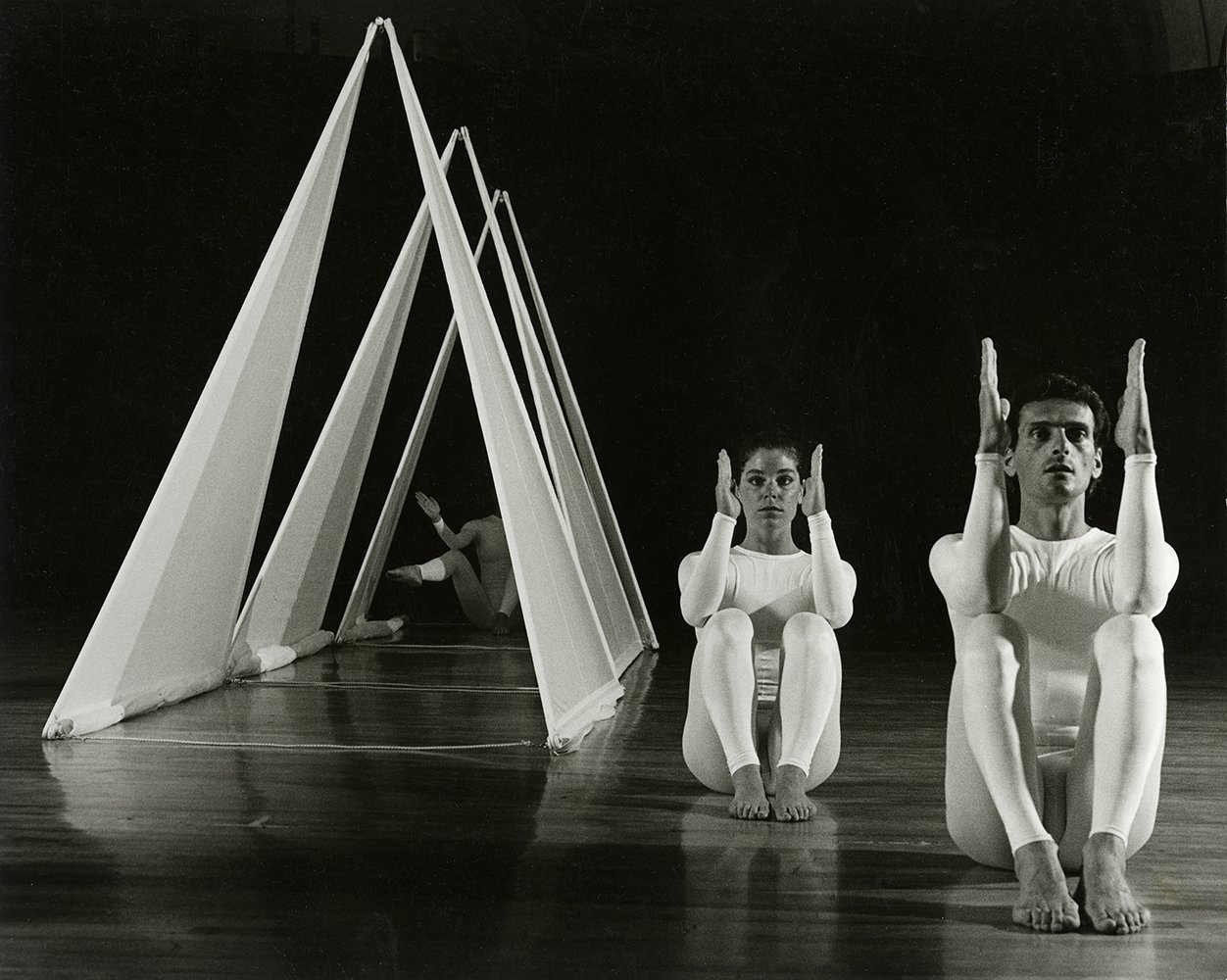
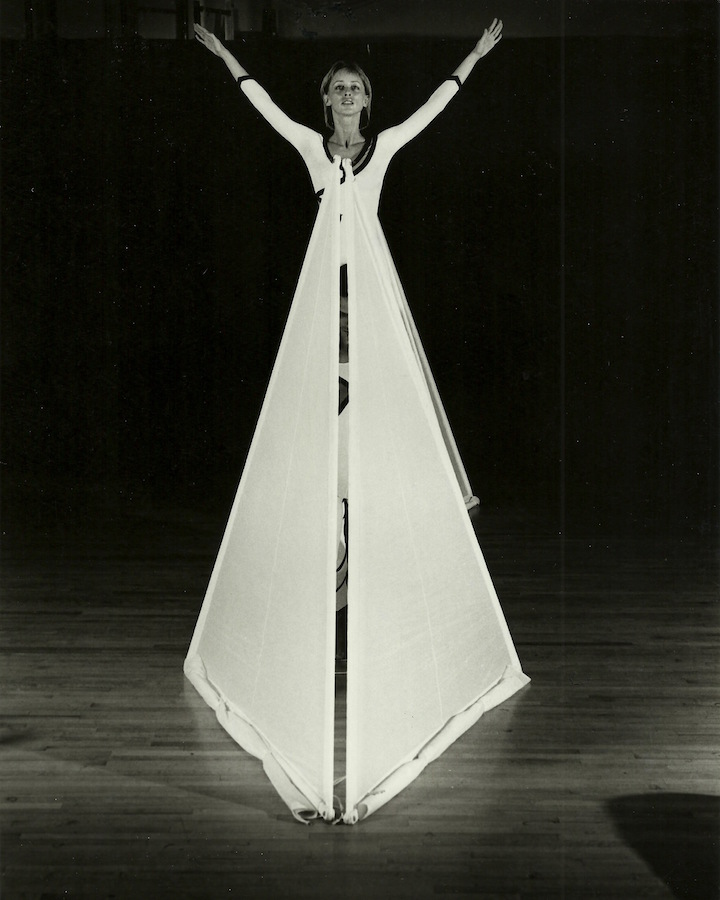
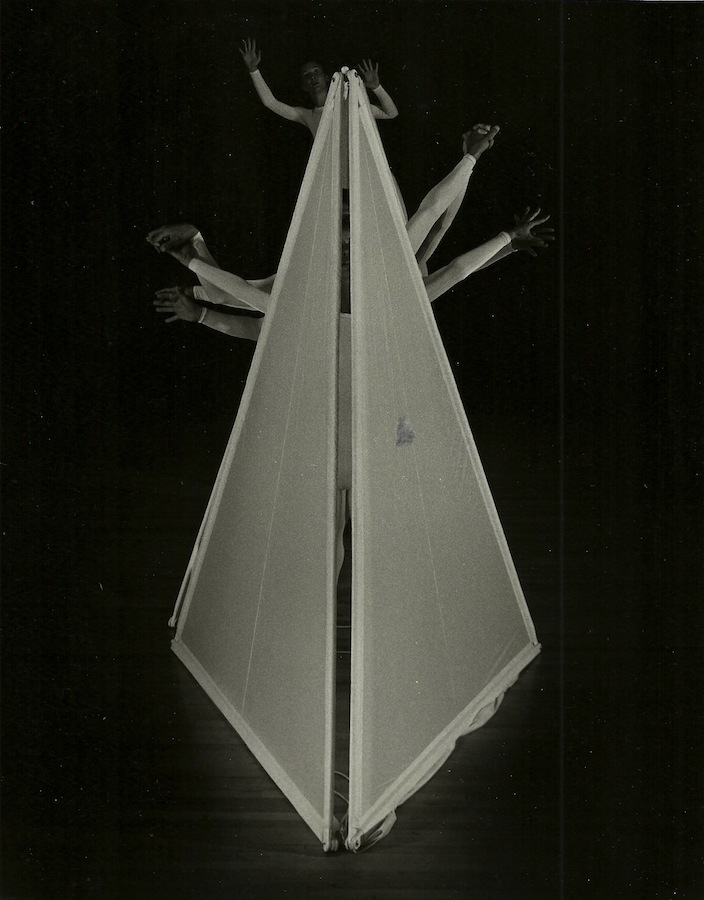
Hieroglyphics (1983)
A Jungian inquiry into the depths of archetypal movement inspired by Egyptian hieroglyphic symbols. Choreographed and directed by Nancy Spanier, performed by Nancy Spanier Dance Theatre, with music by The Residents and Brian Eno, set design by George Peters, and costume design by Heather Parzybok.
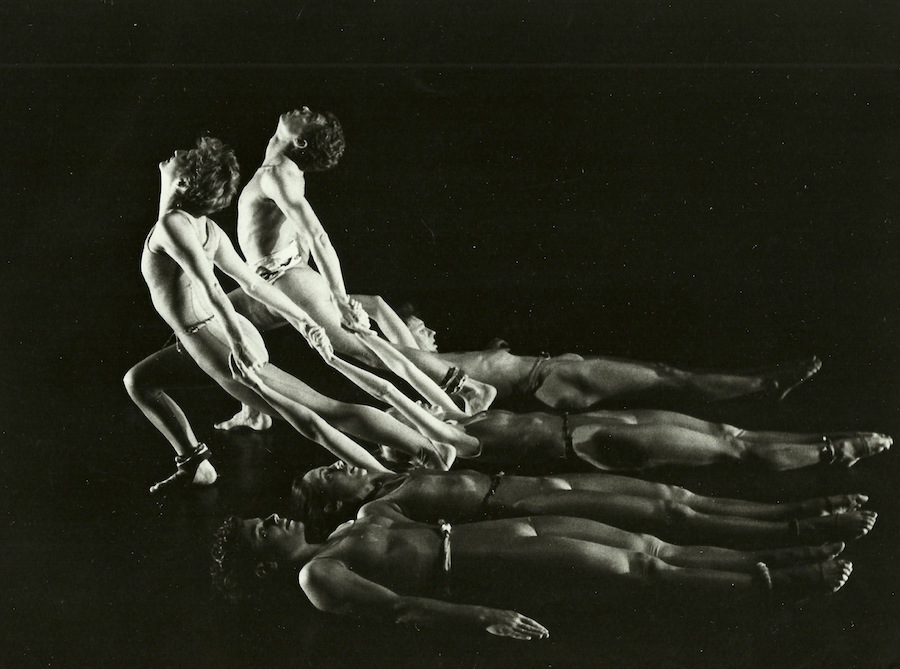
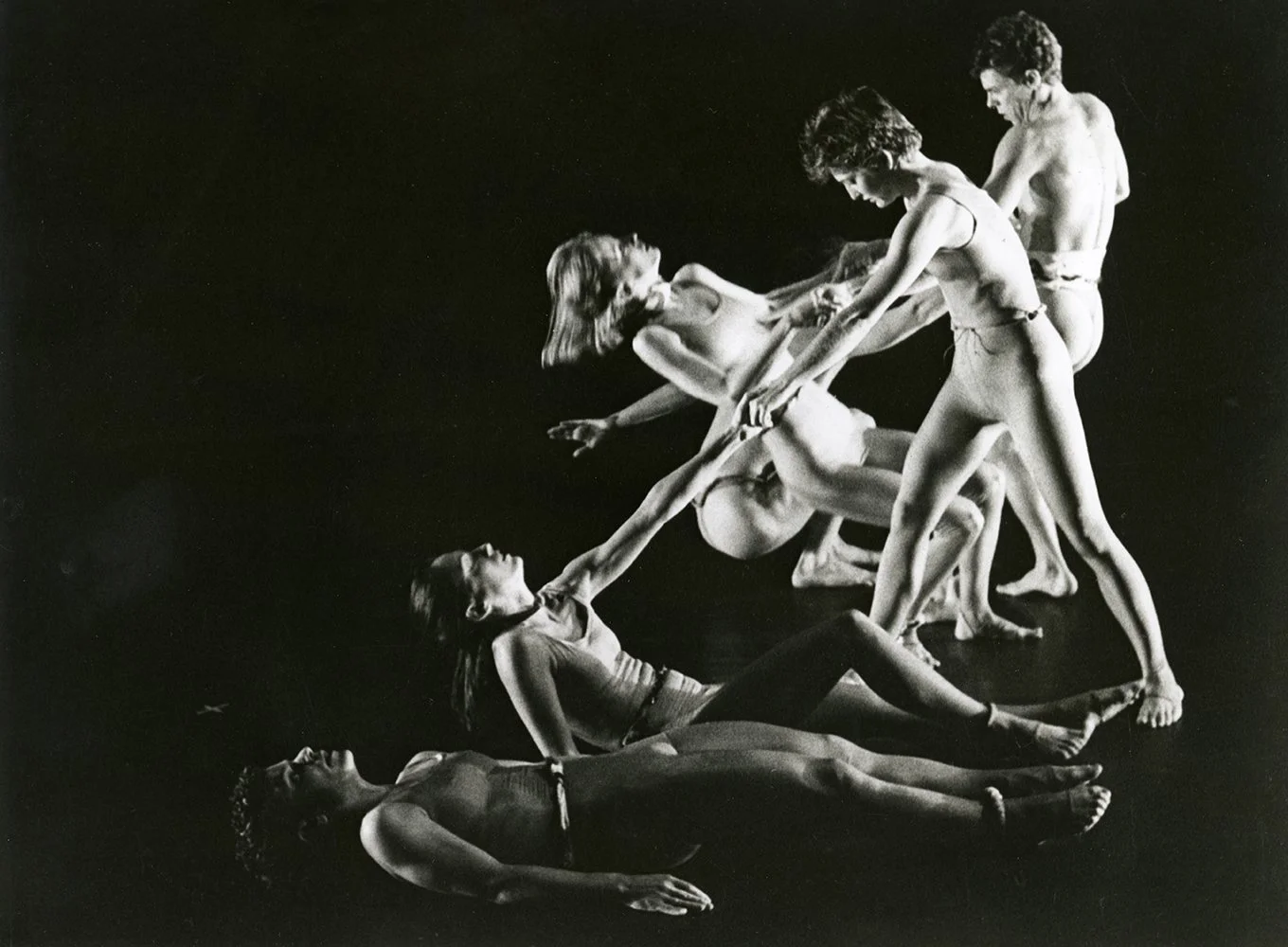
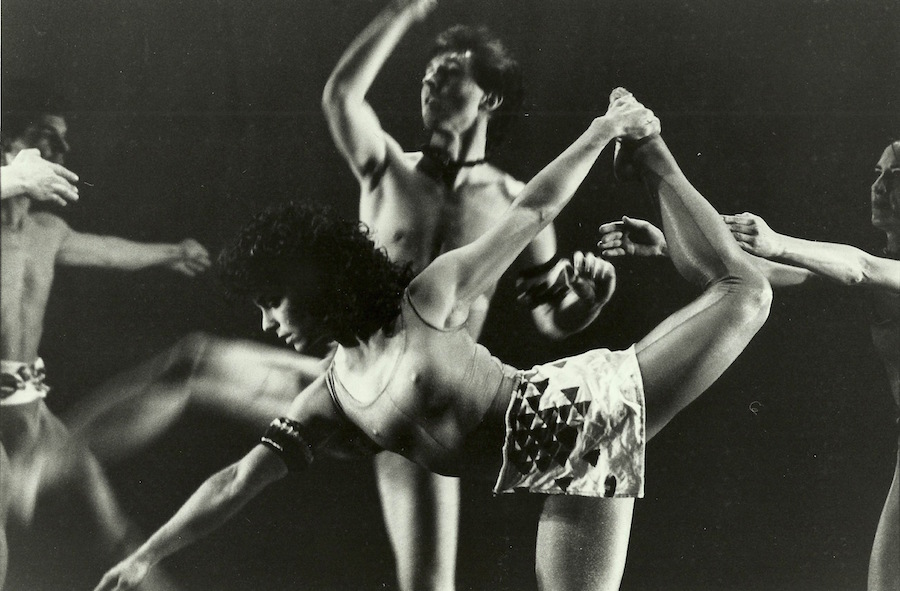
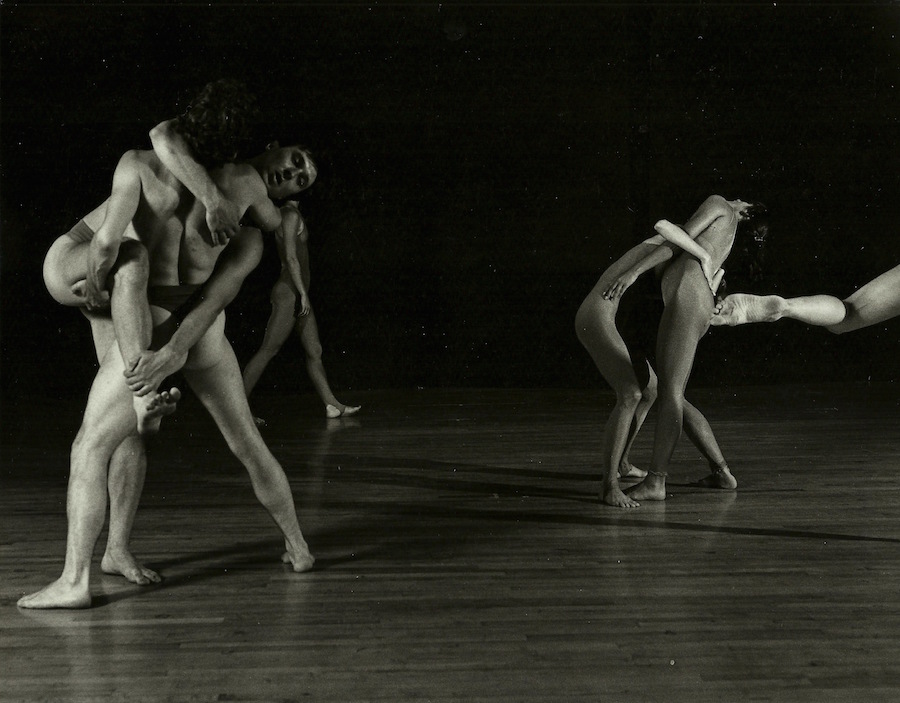
Tribe (1983)
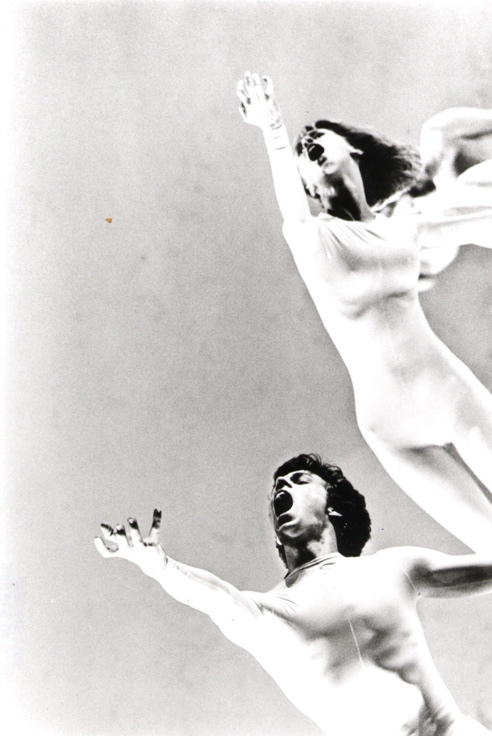
A primeval yet futuristic exploration of ritual and collective identity, directed and choreographed by Nancy Spanier, performed by Nancy Spanier Dance Theatre, with music by Lin Esser Vivaldi and costume design by Heather Parzybok.
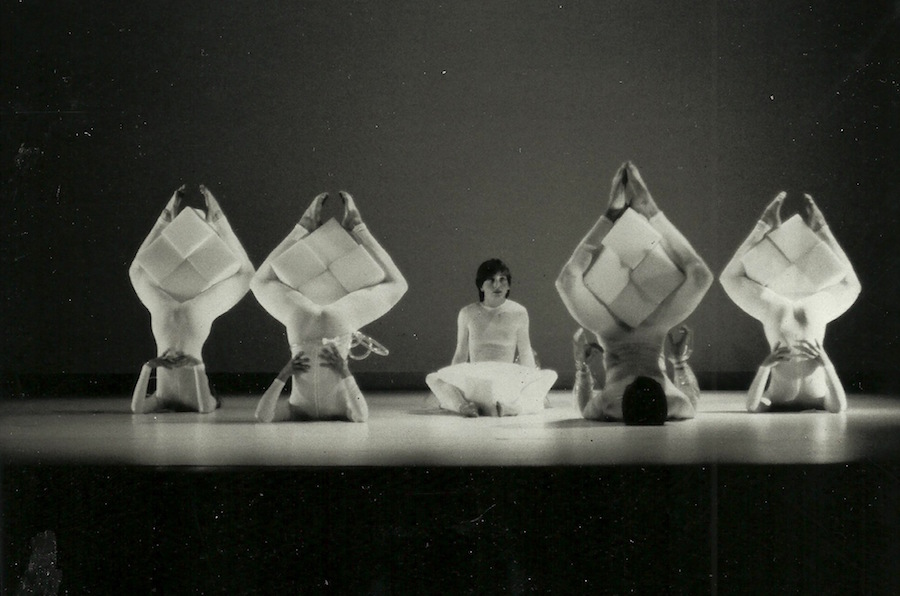
Spheres of Influence (1984)
A reflection on human evolution and spiritual revelation from primitive to modern to futuristic. Choreographed and directed by Nancy Spanier and performed by Nancy Spanier Dance Theatre, with music by Bruce Odland, costume design by Heather Parzybok, and lighting design by Steven Carmichael.
Fatal Attraction (1985)
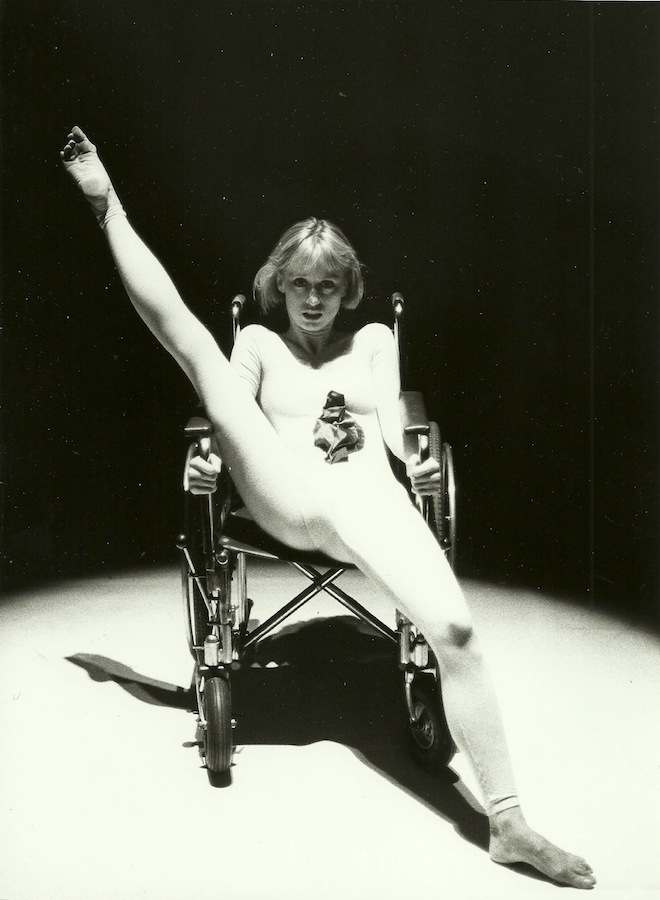
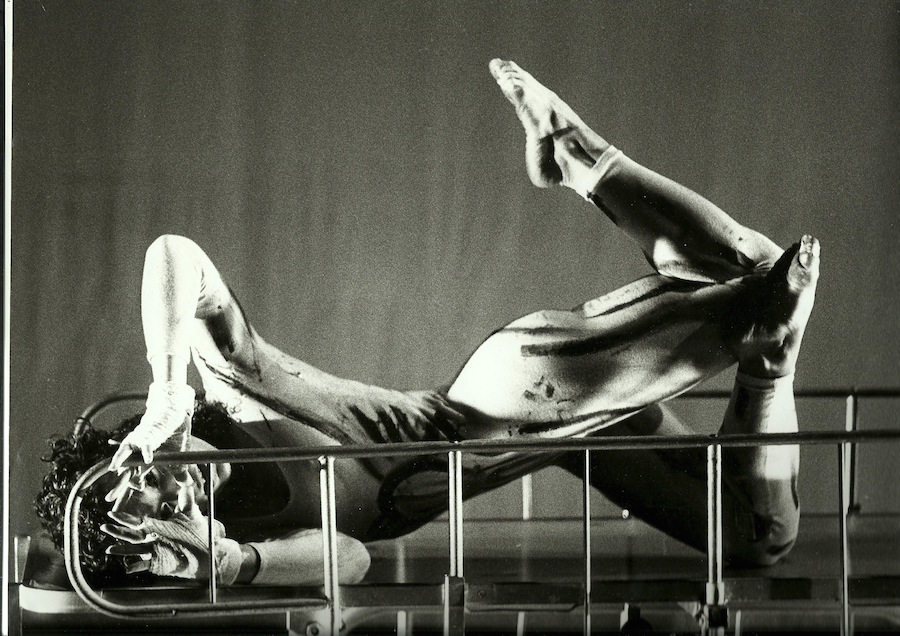
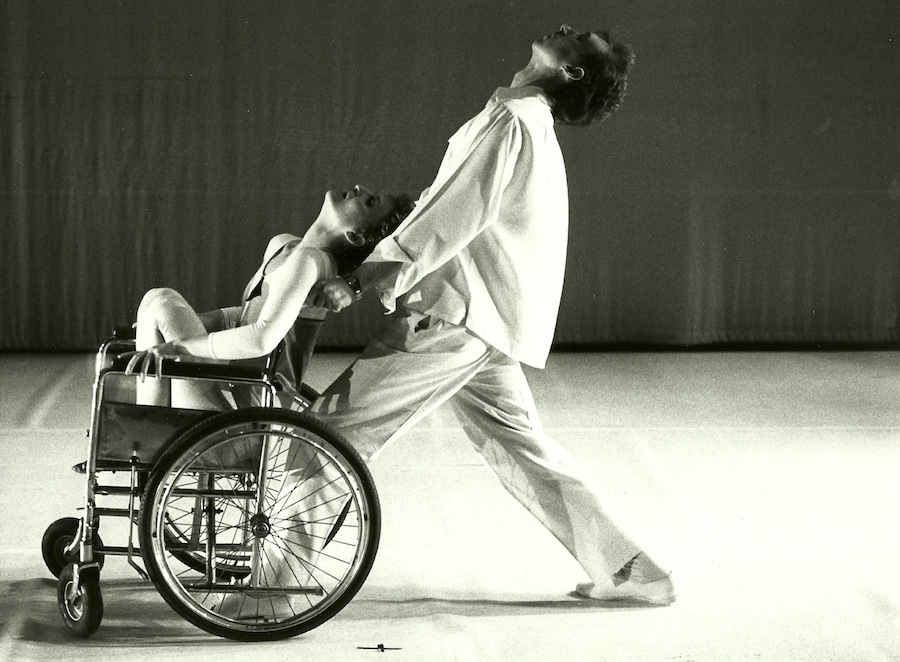
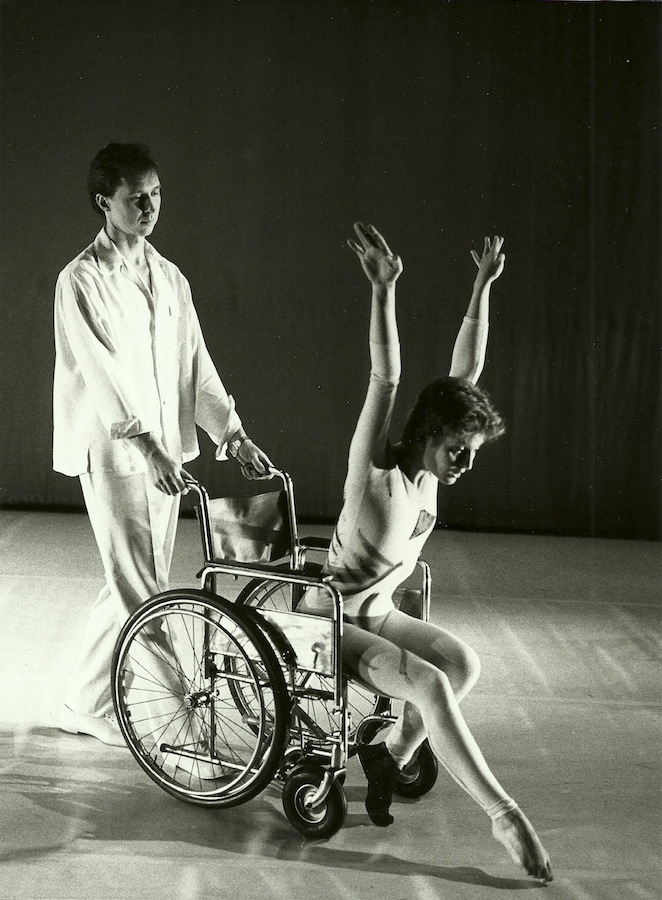
A work built around Nancy Spanier’s signature obstruction technique, exploring the tension between movement, spatial, and psychological constraints as metaphors for the complexities of relational intimacy. Choreographed and directed by Nancy Spanier and performed by Nancy Spanier Dance Theatre, with music by Peter Kater, costume design by Karen Seran, and lighting design by John Fuller.
Trial by Journey (1986)
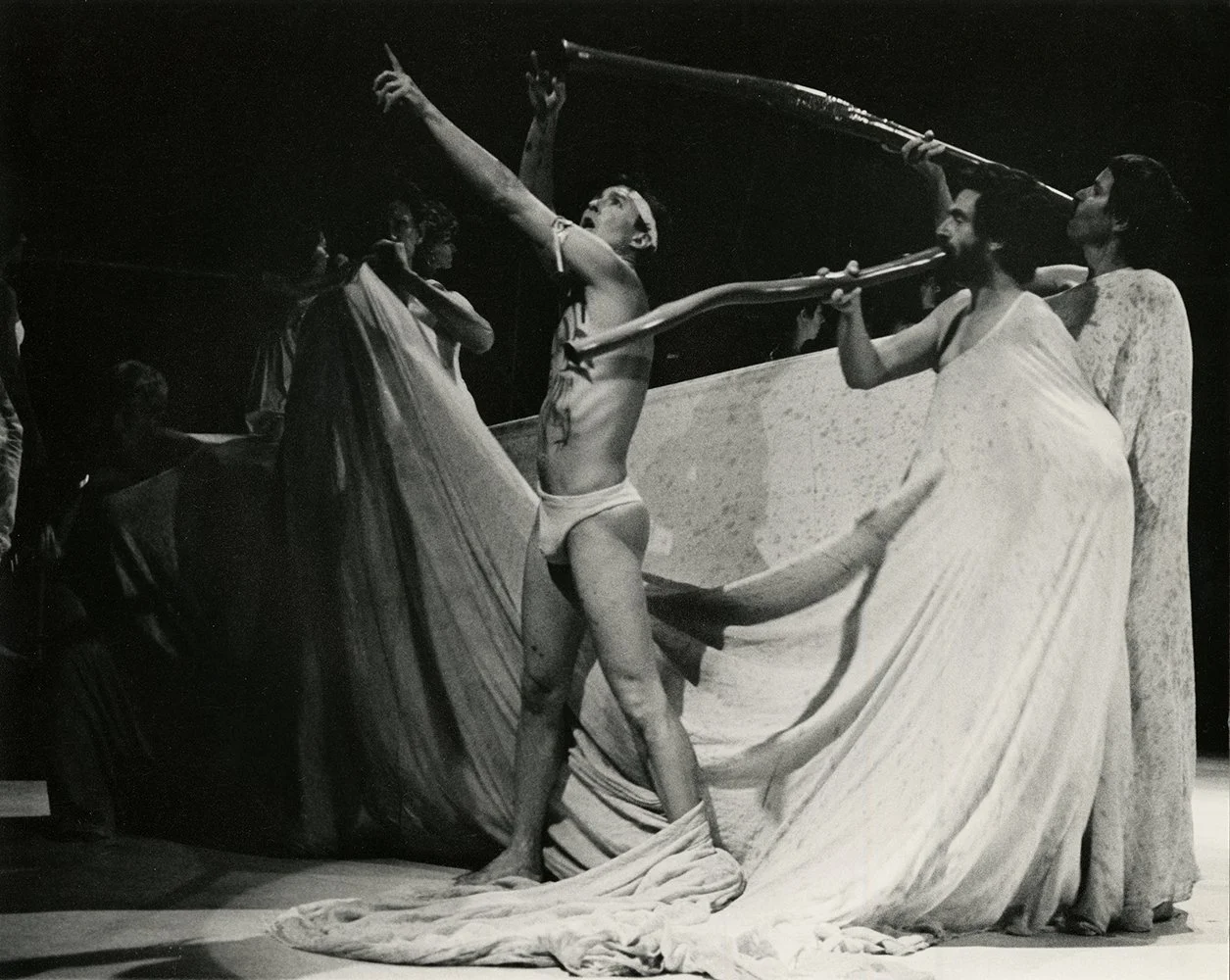
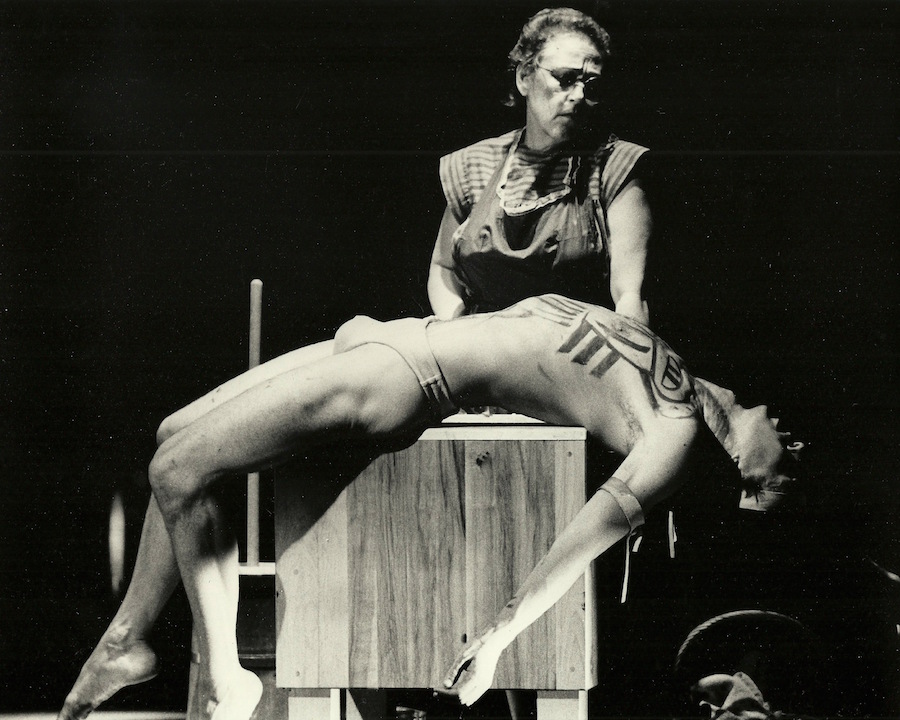
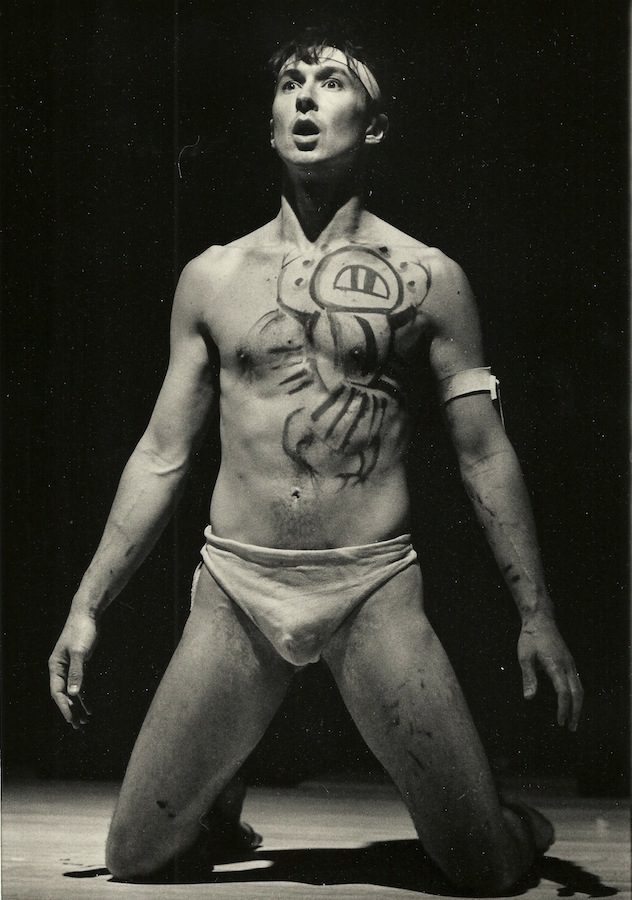
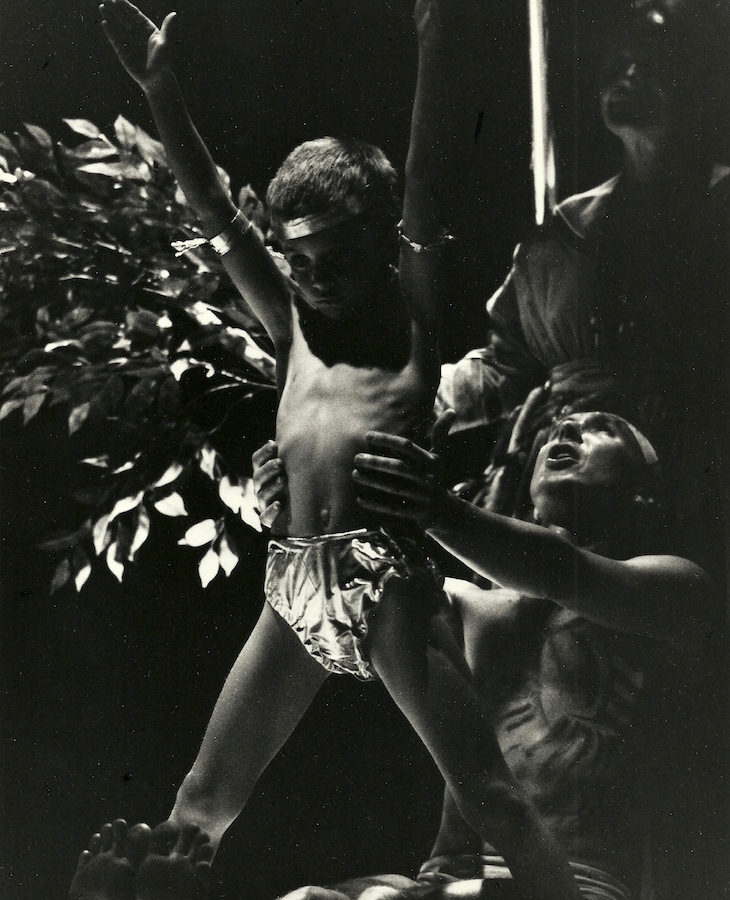
A multidisciplinary full-length evening performance with 70 performers, both professional and nonprofessional, exploring a personal journey through cultural entrapment to spiritual liberation. Choreographed and directed by Nancy Spanier, starring Paul Oertel, scored to a tape collage by Nancy Spanier, set design by Eddie Shorr, costume and makeup design by Lee Hodgson, and lighting design by Aubrey Wilson.
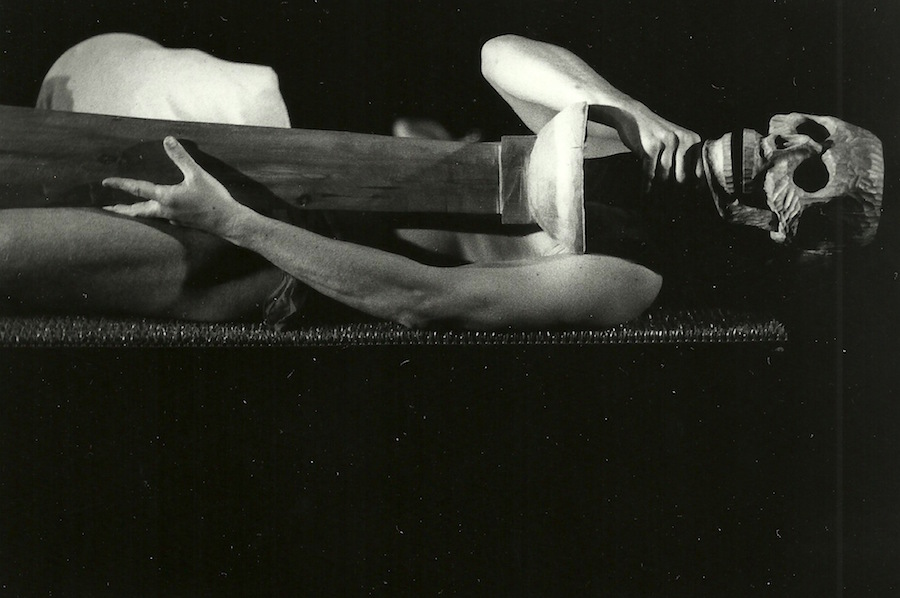
Hamlet Reclassified (1988)
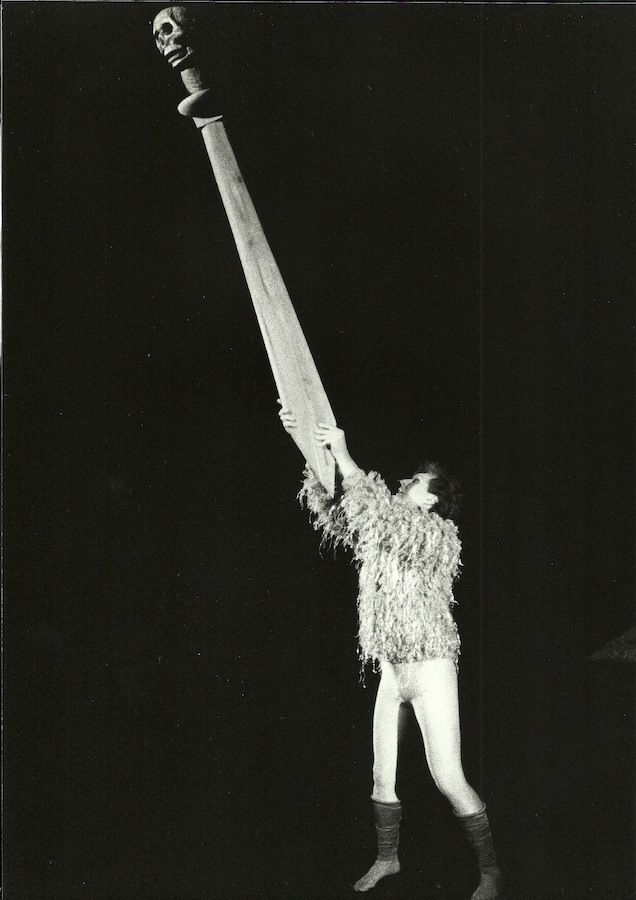
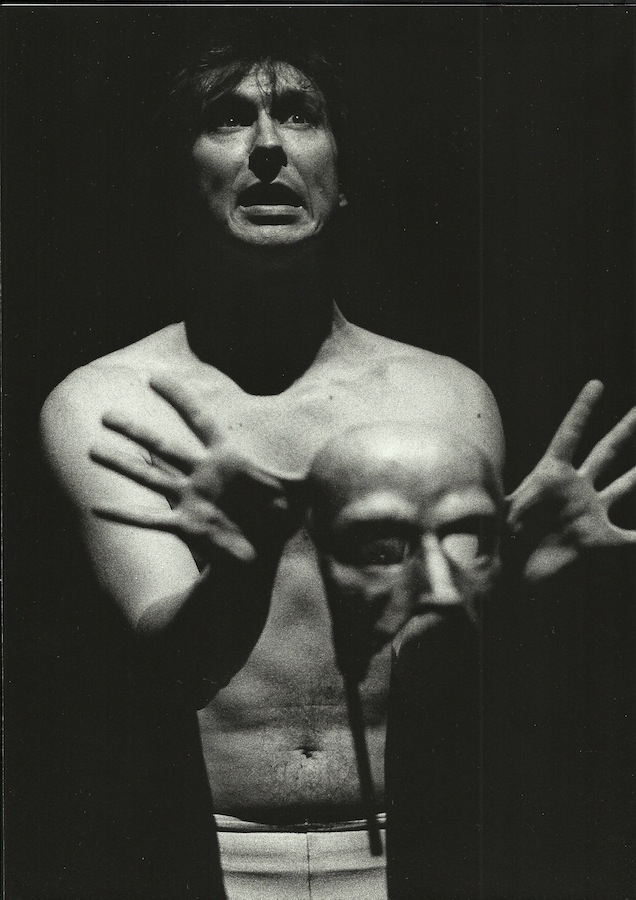
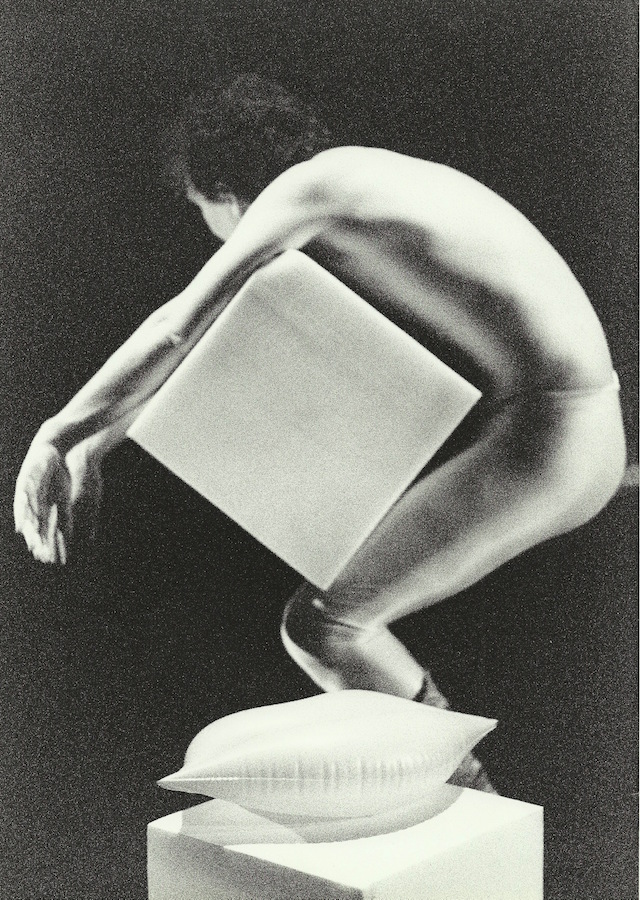
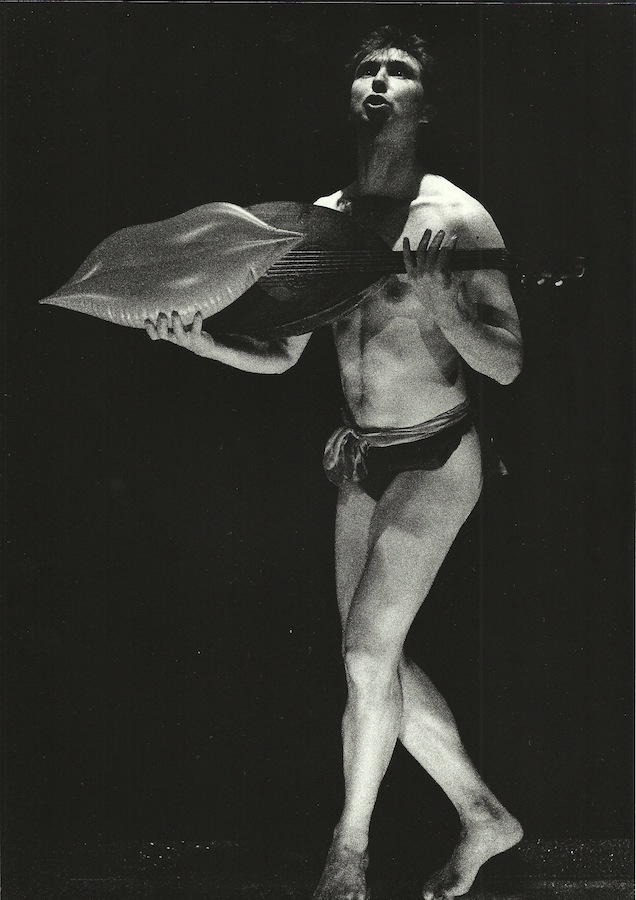
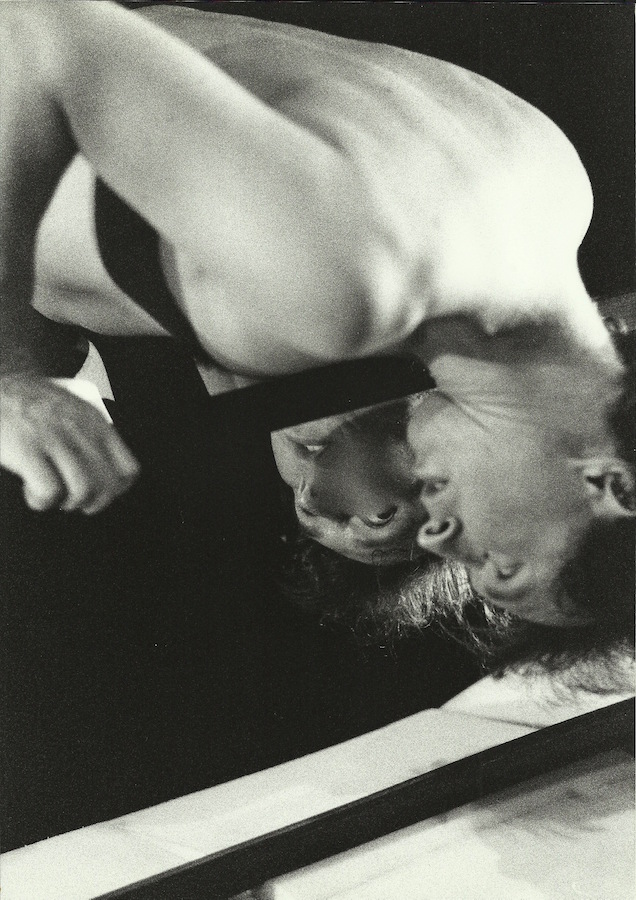
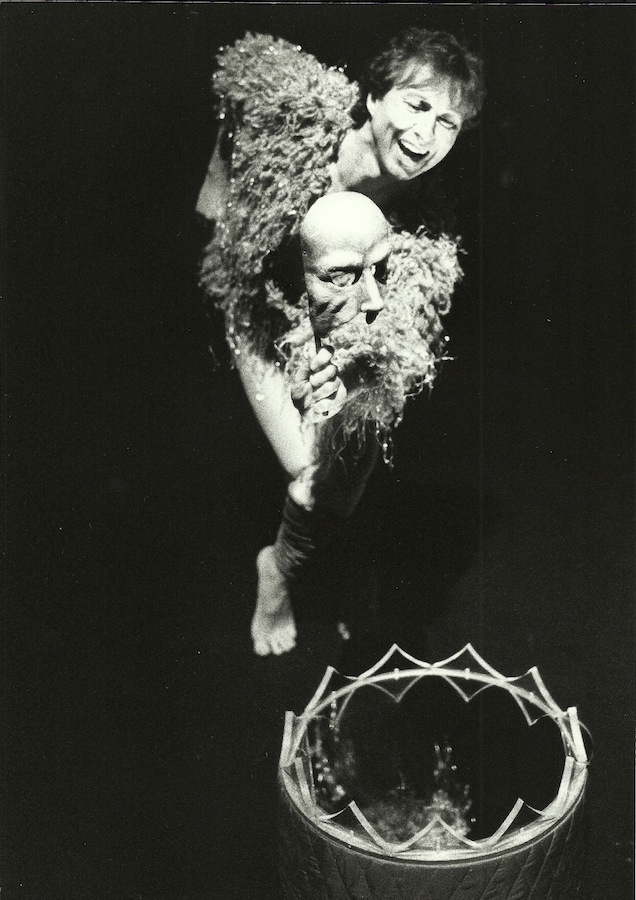
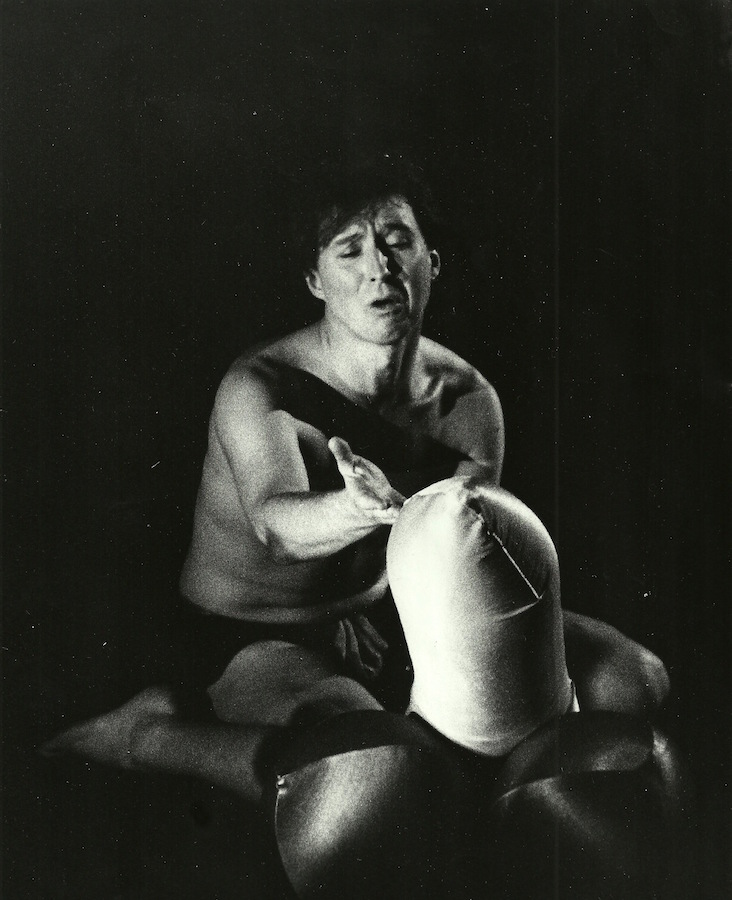
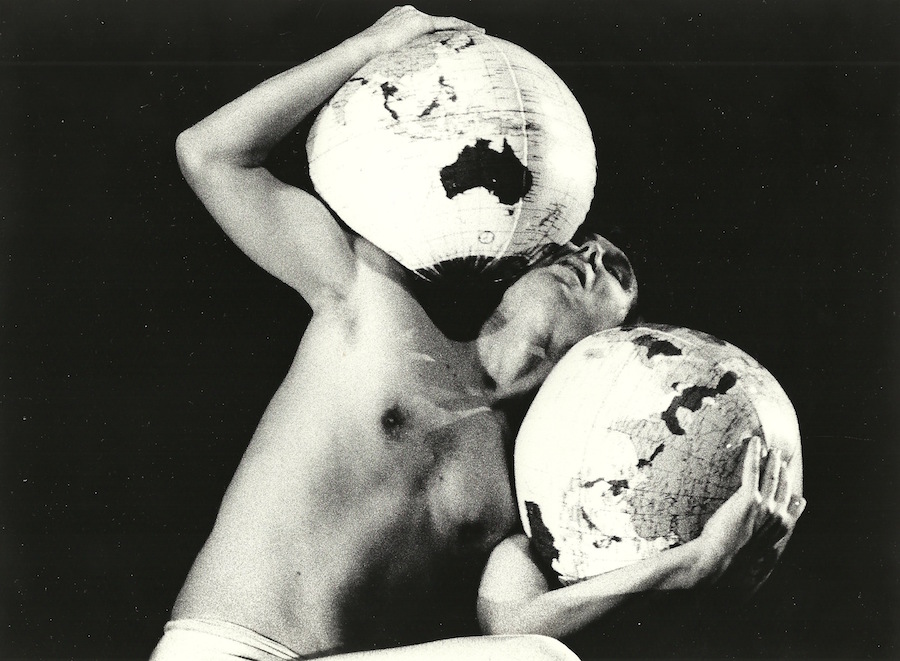
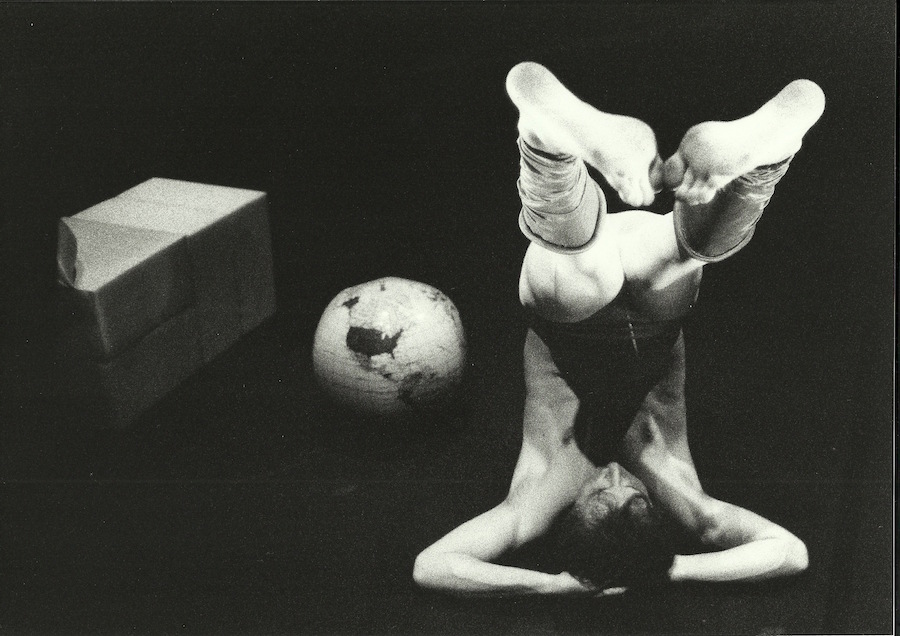
A one-man Hamlet choreographed and directed by Nancy Spanier, performed by Paul Oertel, with music by Gunner Møller Pedersen, set and props by Robert Naess, costumes by Nancy Metcalf, and lighting design by J. P. Osnes.
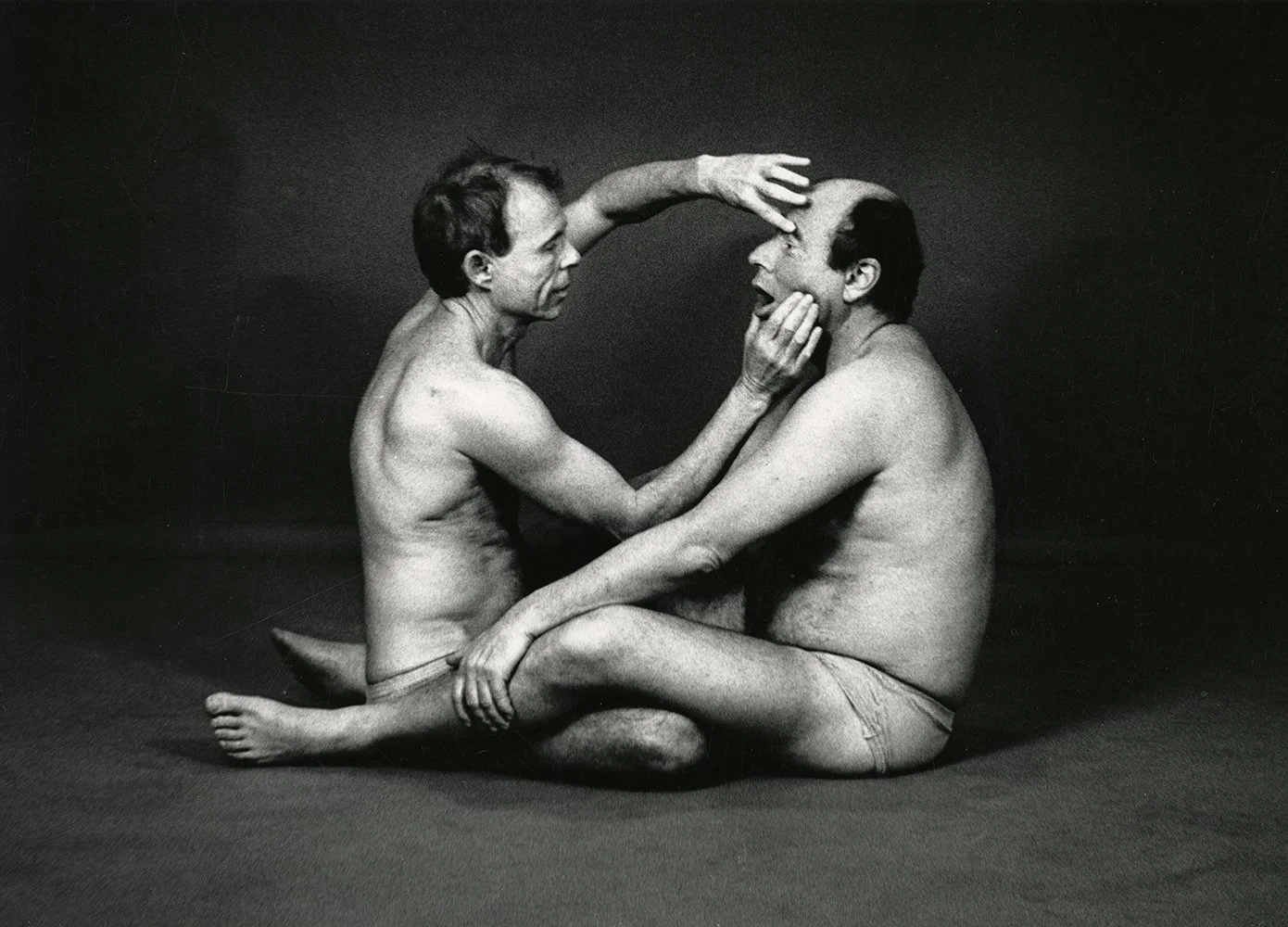
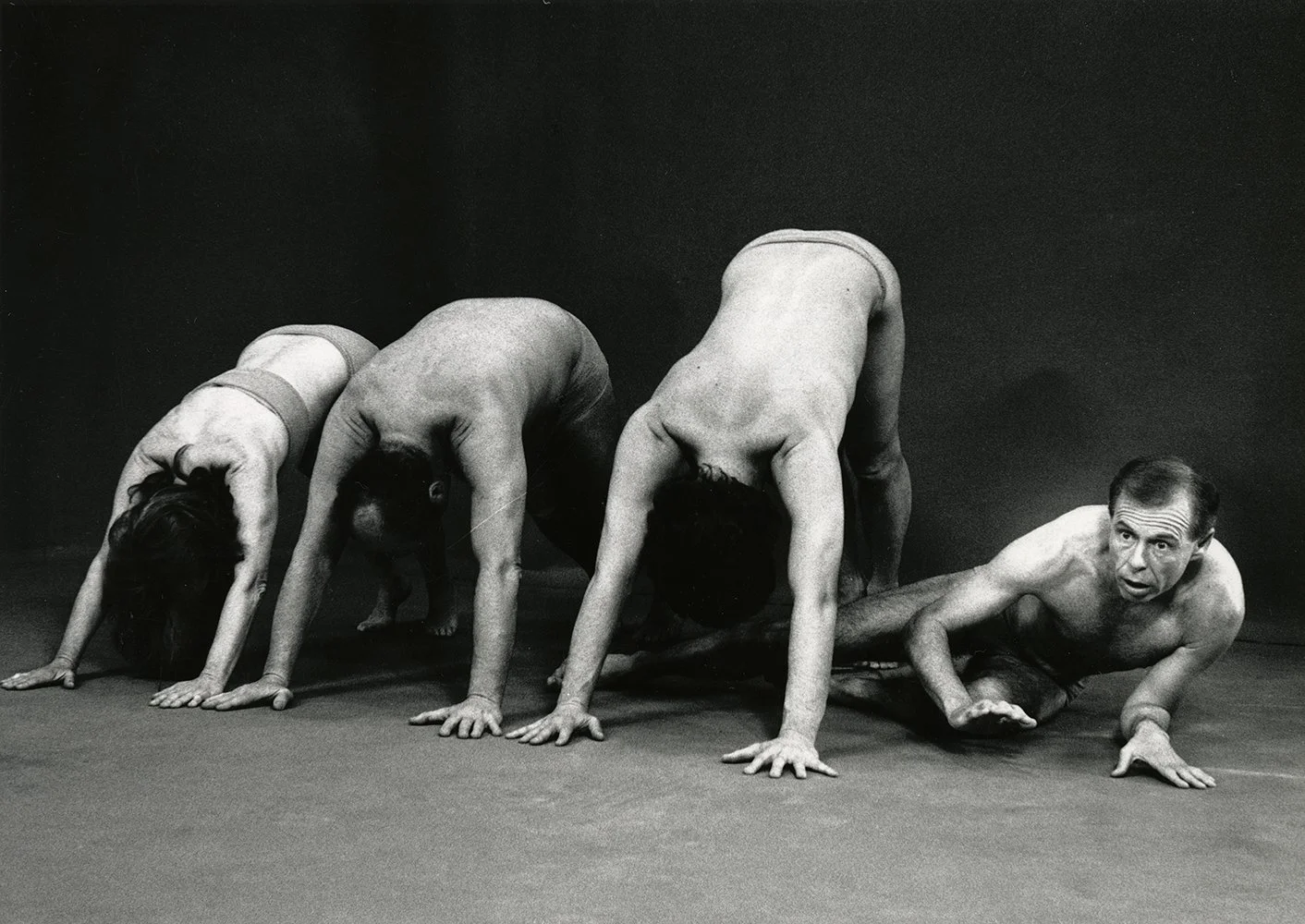
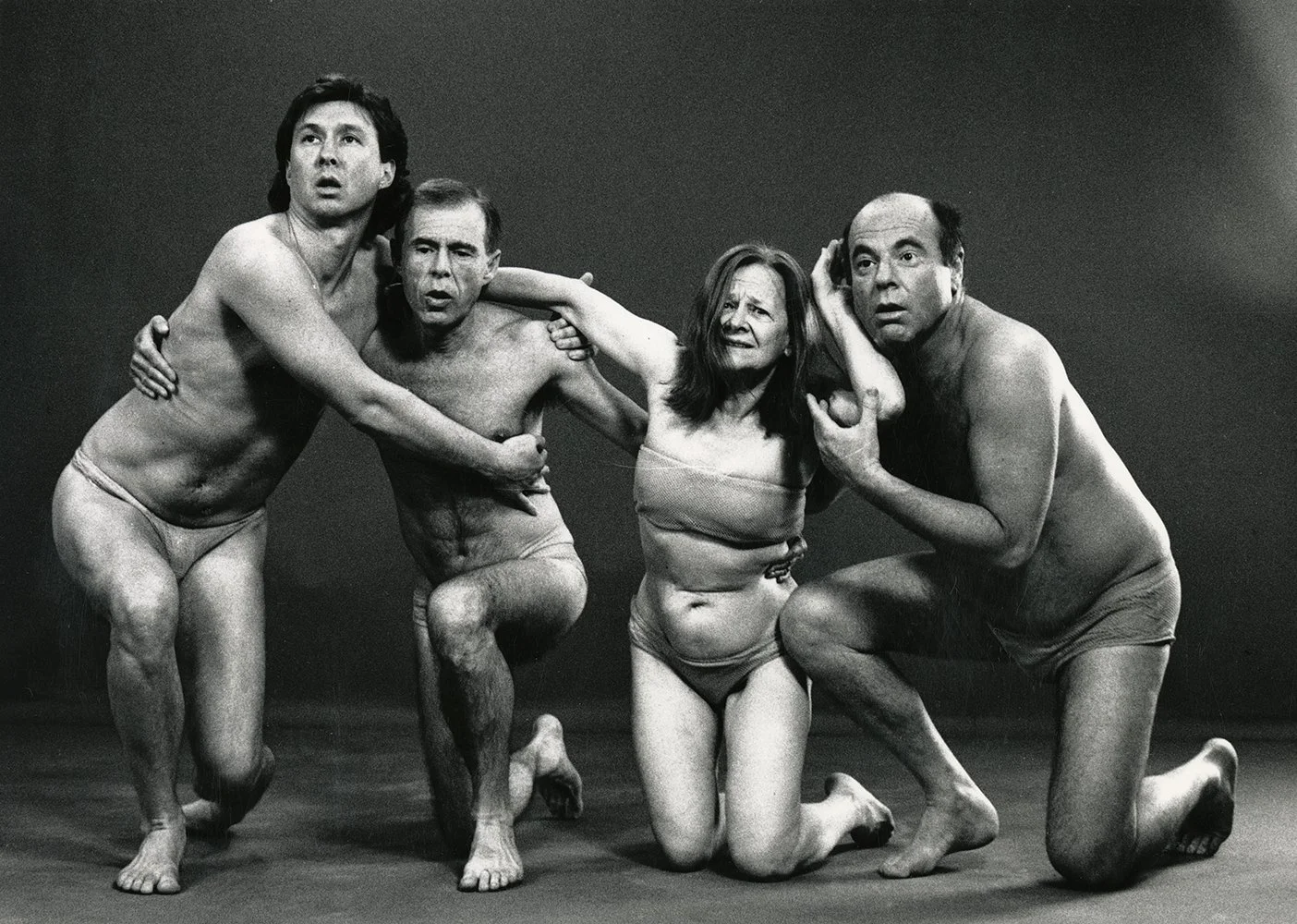
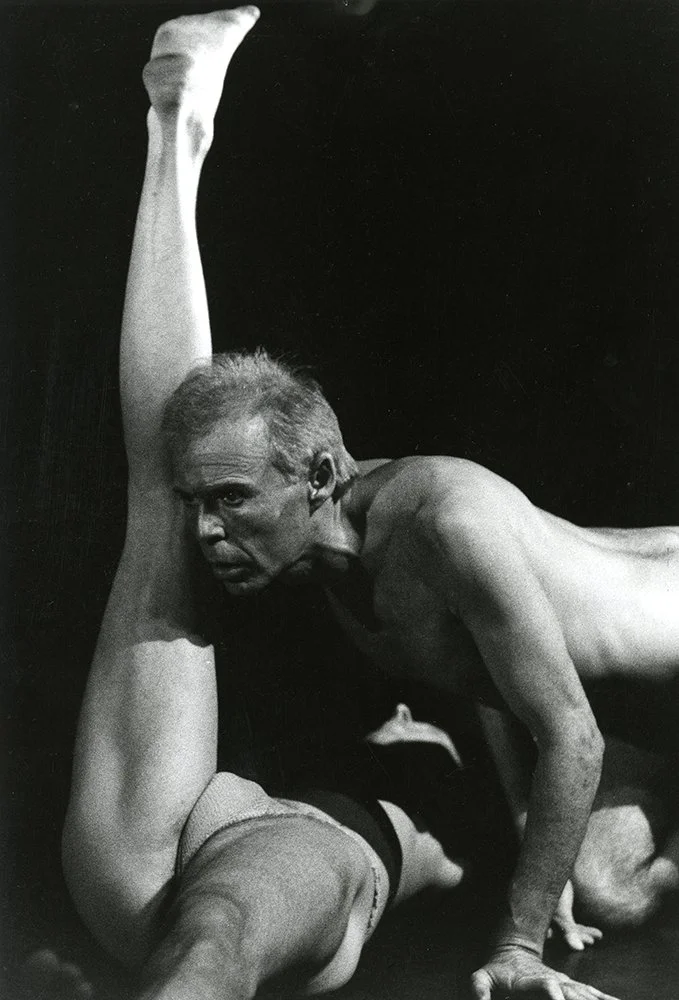
Flesh Chronicles (1988)
An early performance invention exploring fundamental aspects of aging through poetry and humor, choreographed and directed by Nancy Spanier and performed by playwright Jean-Claude van Itallie, producer and director Peter Goldfarb, visual artist Allegra Ahlquist, and actor and dancer Paul Oertel. Score: a tape collage by Nancy Spanier; costume design by Barbara Joyce; lighting design by J.P. Osnes.
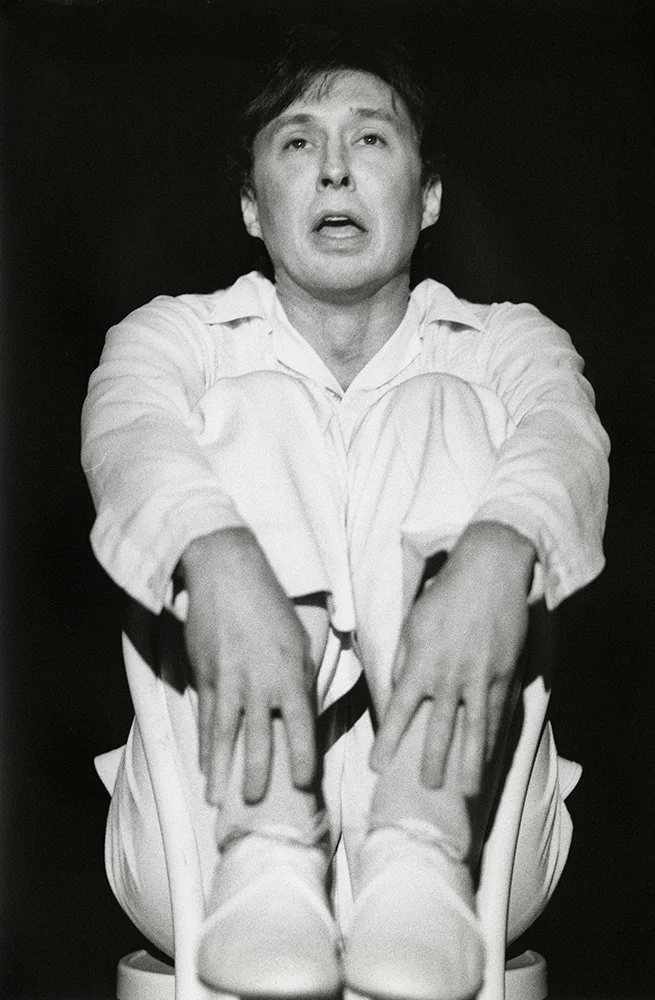
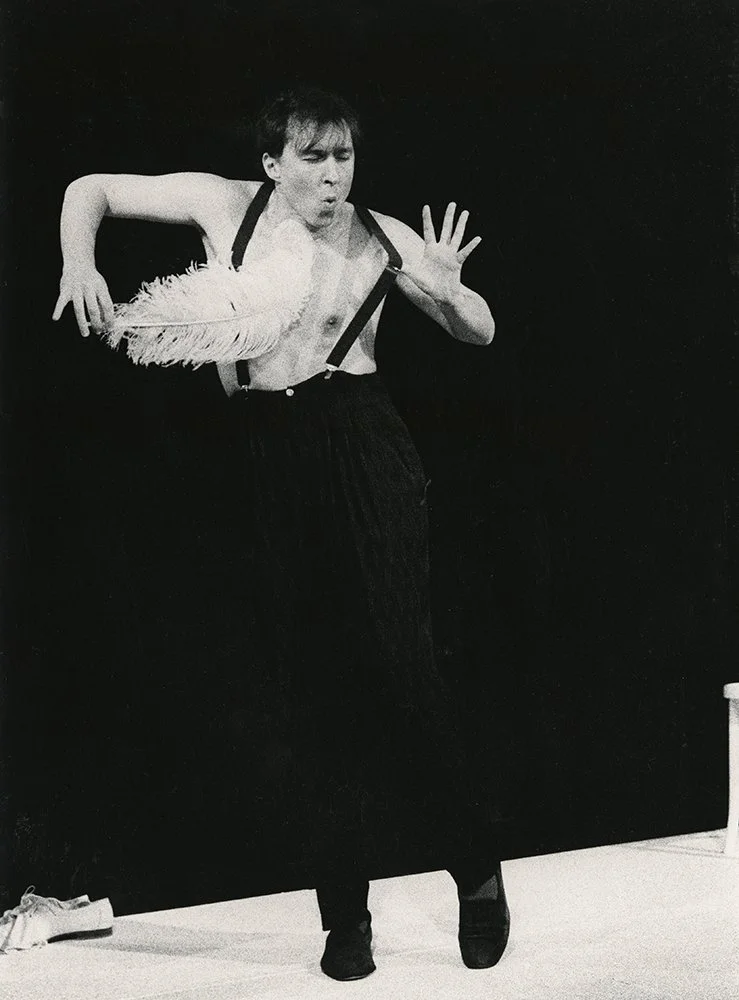
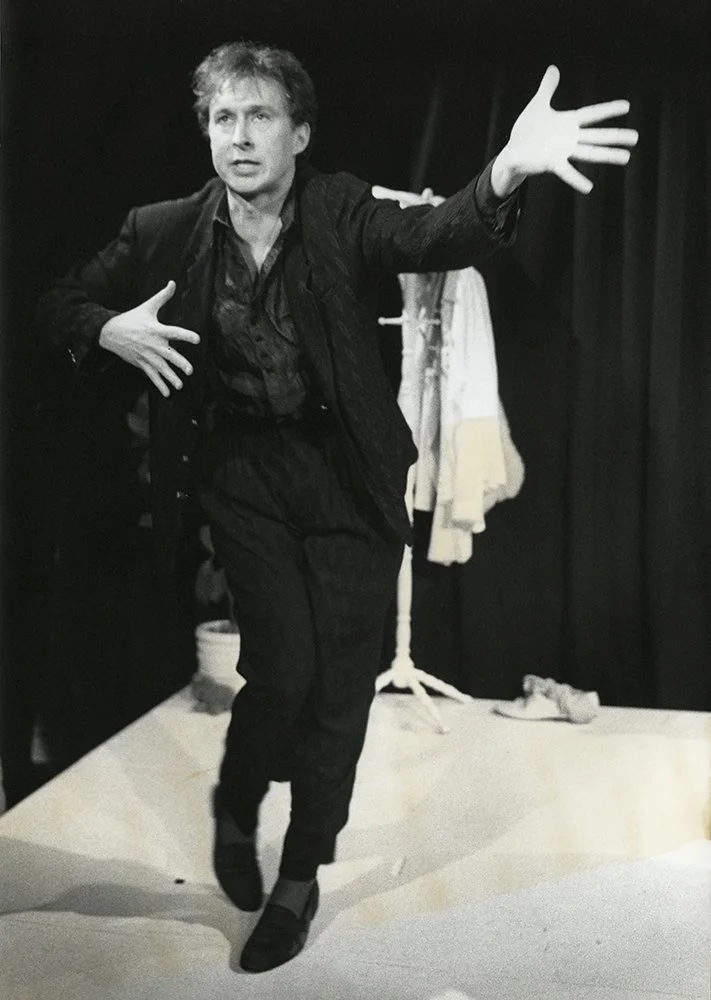
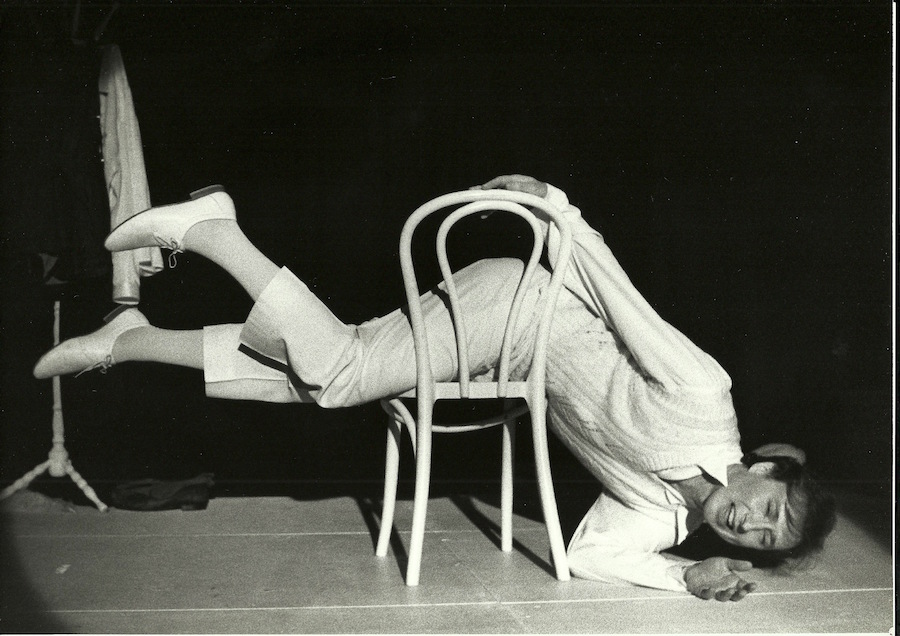
On the Sunny Side: An Outrageous Cabaret (1991)
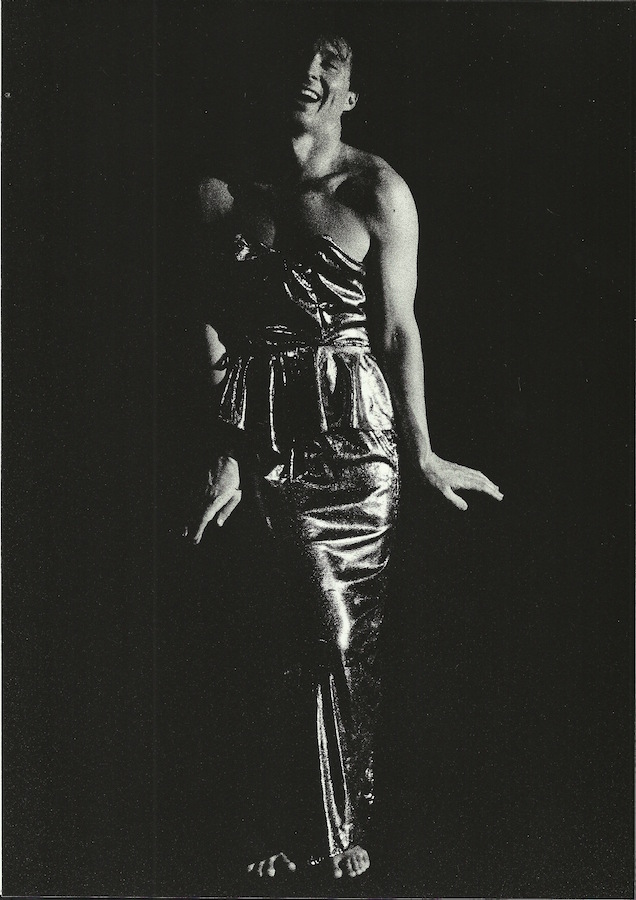
A one-man show revisiting, with wit, the aesthetics of cabaret, choreographed and directed by Nancy Spanier, performed by Paul Oertel, with American popular songs from the 1920s through the 1940s, costume design by Nancy Metcalf and David A. Busse, and lighting design by Peter Nielson.