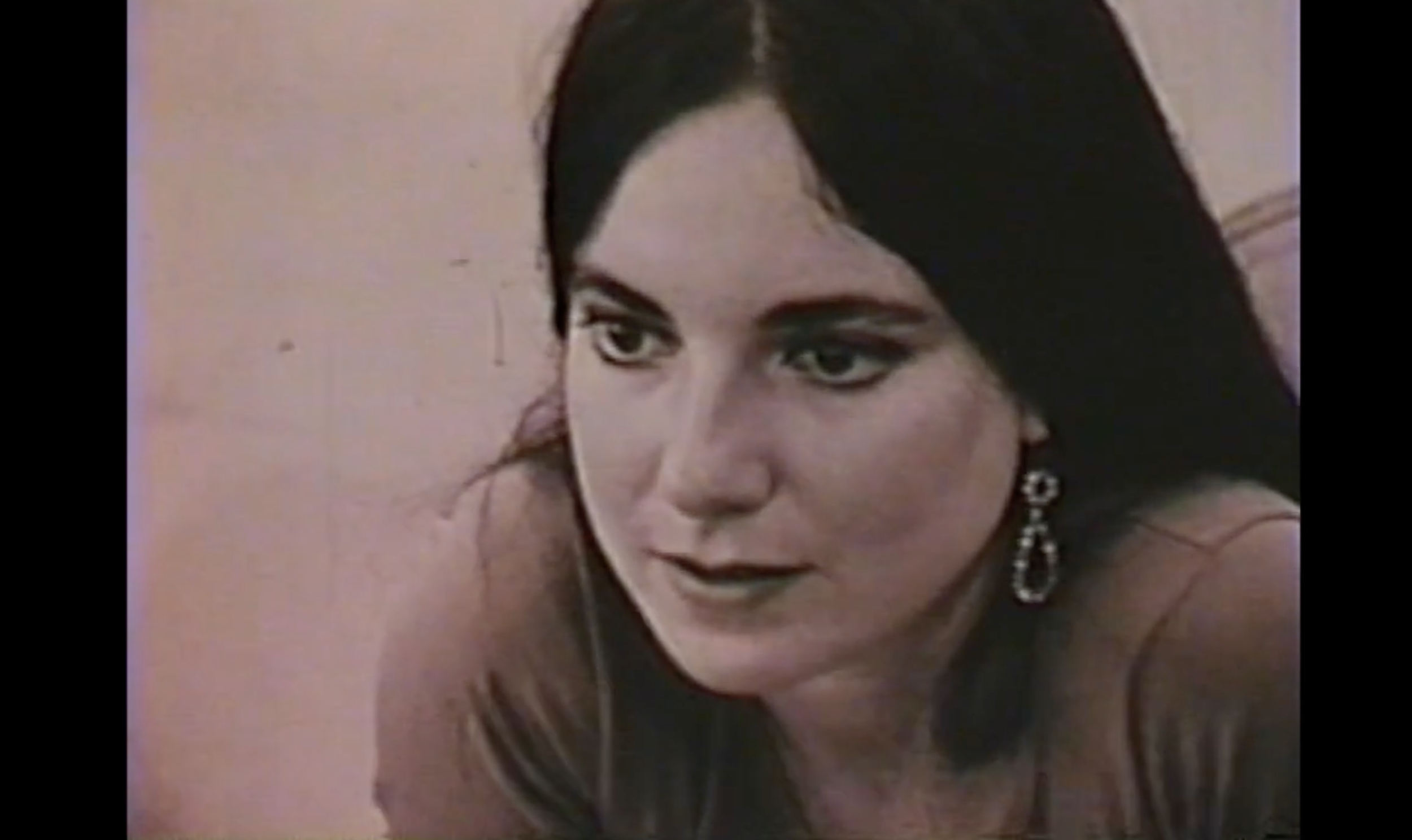
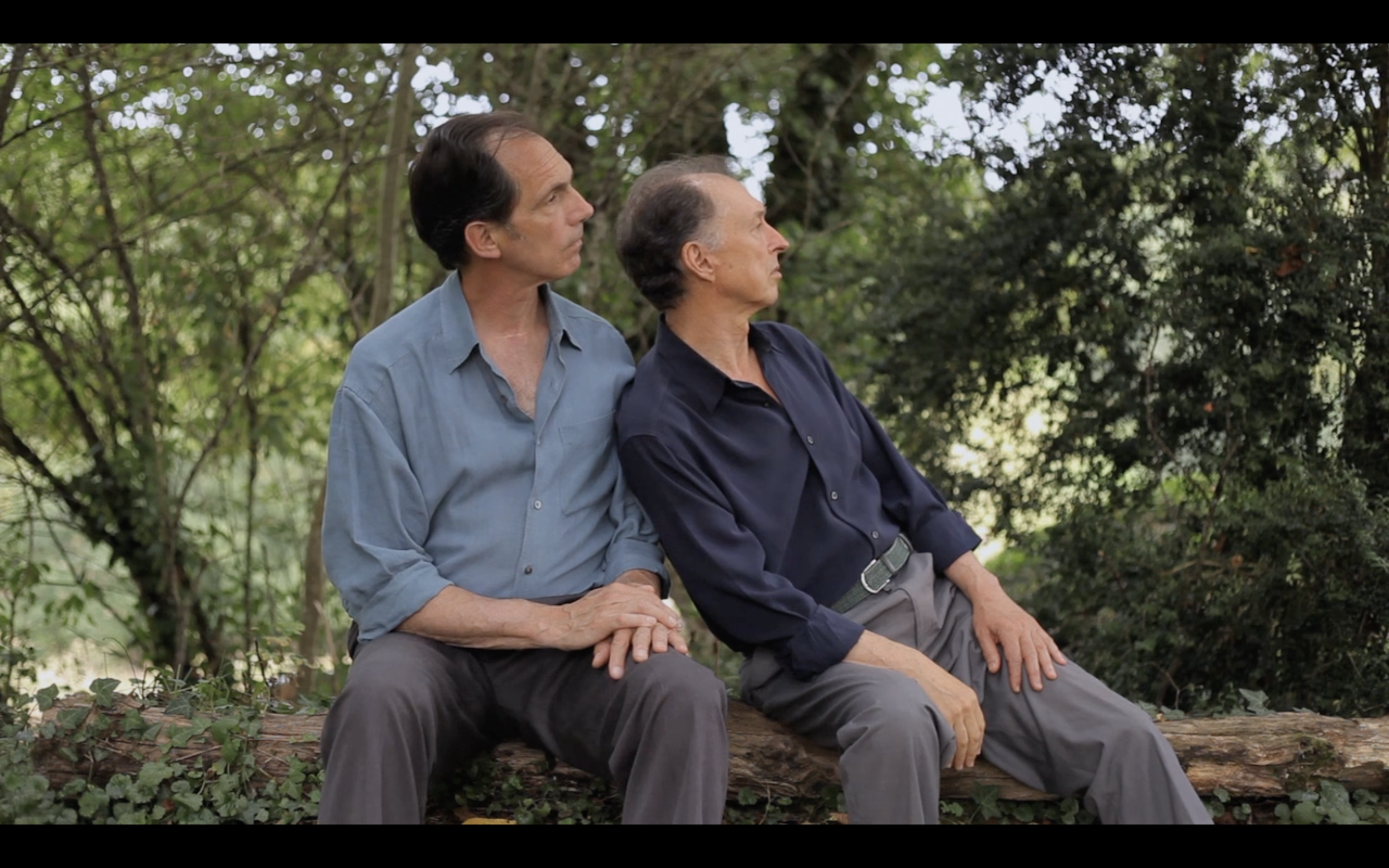
A curated selection of recent videodances, early work documentation, and docudances exploring the artistic practices of Nancy Spanier and Paul Oertel
A Last Sonnet
(2025)
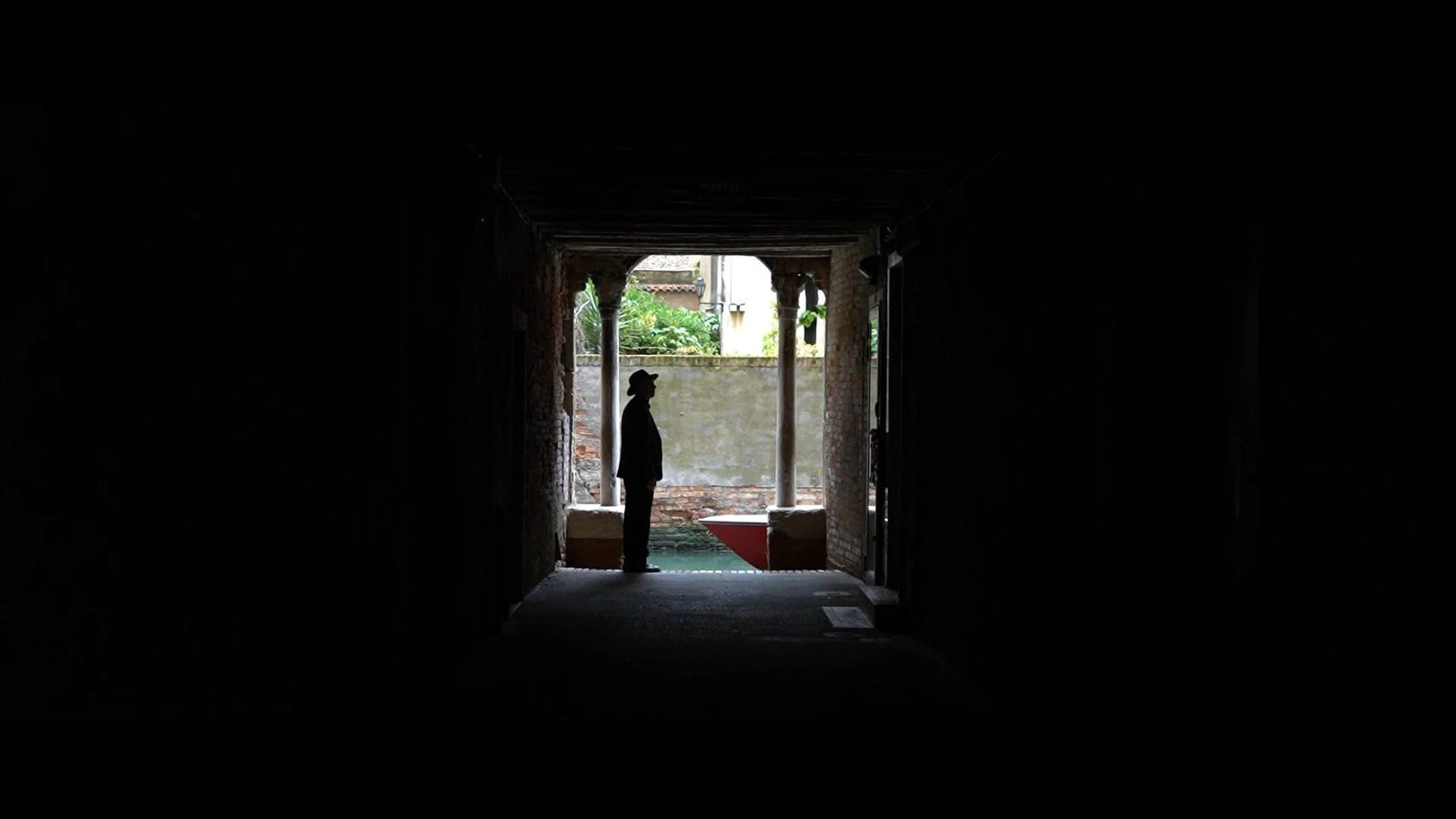
A Last Sonnet is a seven-minute poetic statement filmed in Venice and directed by Nancy Spanier and Xavier Hirissou. The film’s text is based on an original sonnet written by Paul Oertel, exploring the themes of aging and the search for timelessness within the presence of absence. Venice serves as a metaphorical landscape: a city of sinking foundations, erosion, decay, crumbling beauty, and gradual disappearance, yet one of enduring and seemingly timeless grandeur. Its ever-changing tidal rhythms, shifting light, and labyrinthine network of bridges and passageways mirror the inner landscape of a solitary figure moving through the city.
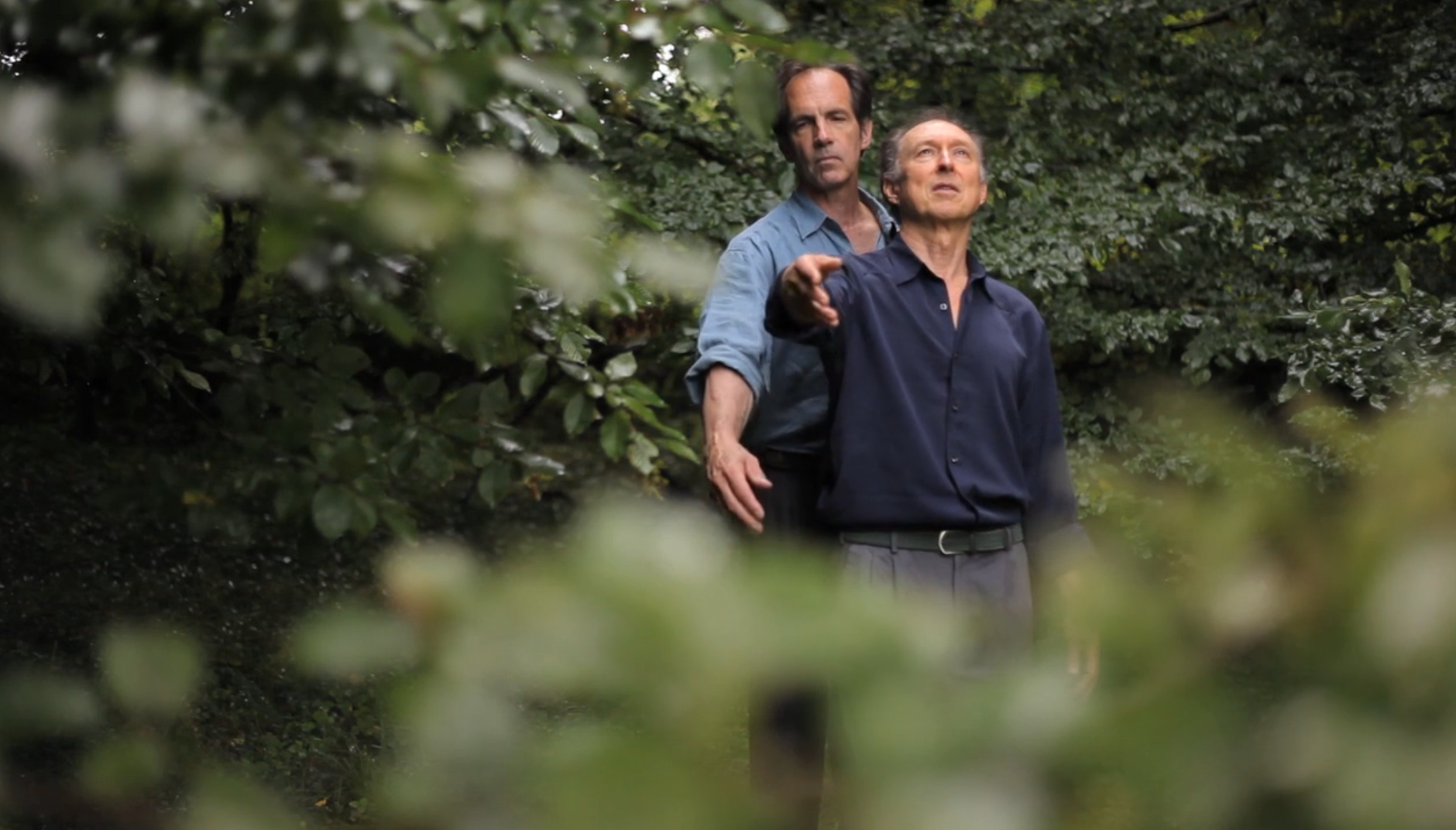
This docu-dance directed by Xavier Hirissou in collaboration with Nancy Spanier and Paul Oertel explores the intimate nexus of art and life. Nancy Spanier and her artistic and life partner, Paul Oertel, look back on 46 years together as they revisit archival and contemporary footage of their work and their life as a couple. The film follows them from New York City and California to Boulder, Colorado, and ultimately to their home in southwestern France, where they reflect on the enduring possibilities of their ever-evolving artistry.
In Splendid Unison
(2017)
Post-Op
(2014)
Post-Op is a lyrical meditation on intimacy, tenderness, and vulnerability directed and choreographed by Nancy Spanier. Through the sharing of embodied experience, memory, and reflection, the work creates a space of encounter in which personal narratives converge and distill toward the essential. At its core, Post-Op is a celebration of healing, not as resolution, but as an ongoing process of transformation.
Esquisse
(2012)
Directed by Xavier Hirissou, this short documentary, interwoven with archival materials, offers an intimate portrait of Nancy Spanier on the occasion of her 70th birthday, tracing the arc of her career as a dancer, choreographer, and director, from her formative years to her ongoing practice of Performance Inventions.
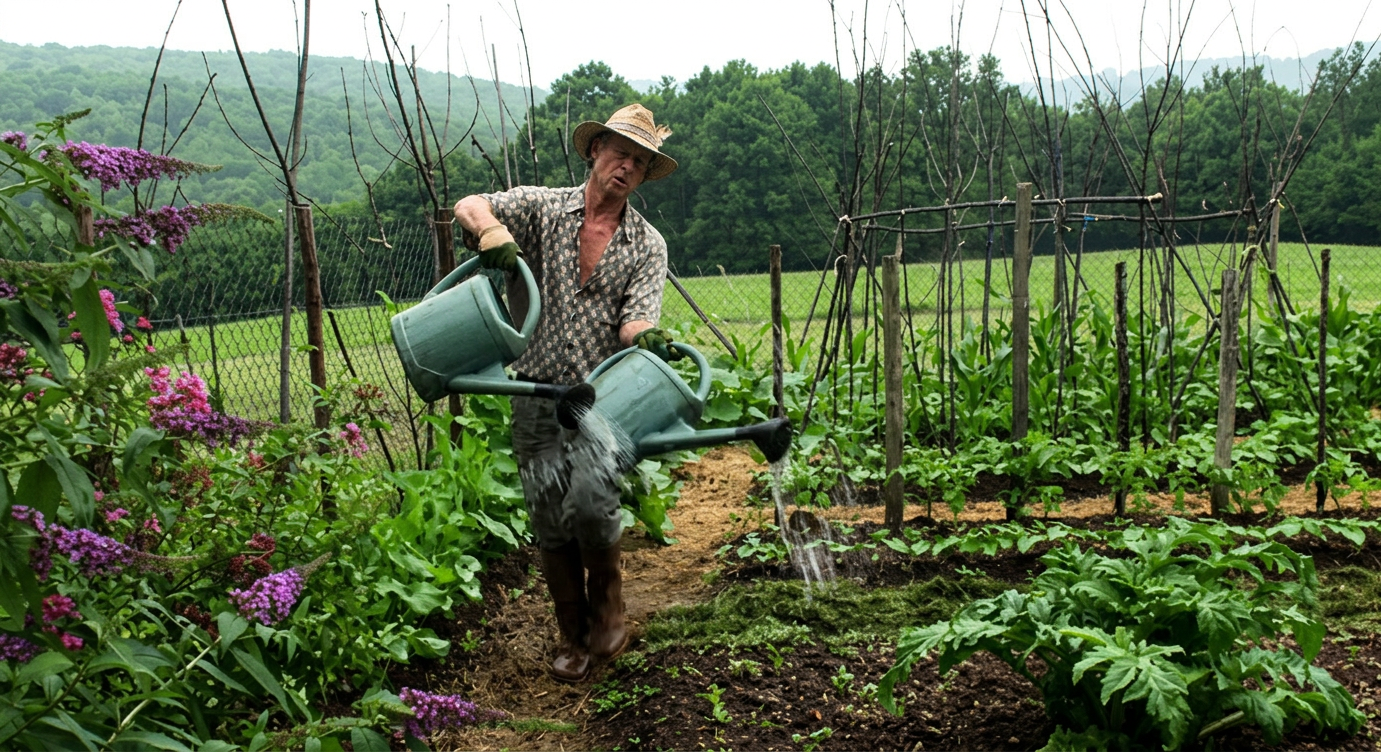
Le jardinier de la Gafferie is an ode to the inextricable connection between human life and nature, directed by Nancy Spanier in collaboration with Ana Baer and performed by Paul Oertel. Through a choreographic portrait of a day in the life of an atypical gardener, the film considers the garden as both sanctuary and site of obsession. At its core is a question: if one's passion is one's garden, what happens when the garden is no longer enough to whet one's passion?
Le jardinier de la Gafferie
(2010)
Flesh Sites
(2007)
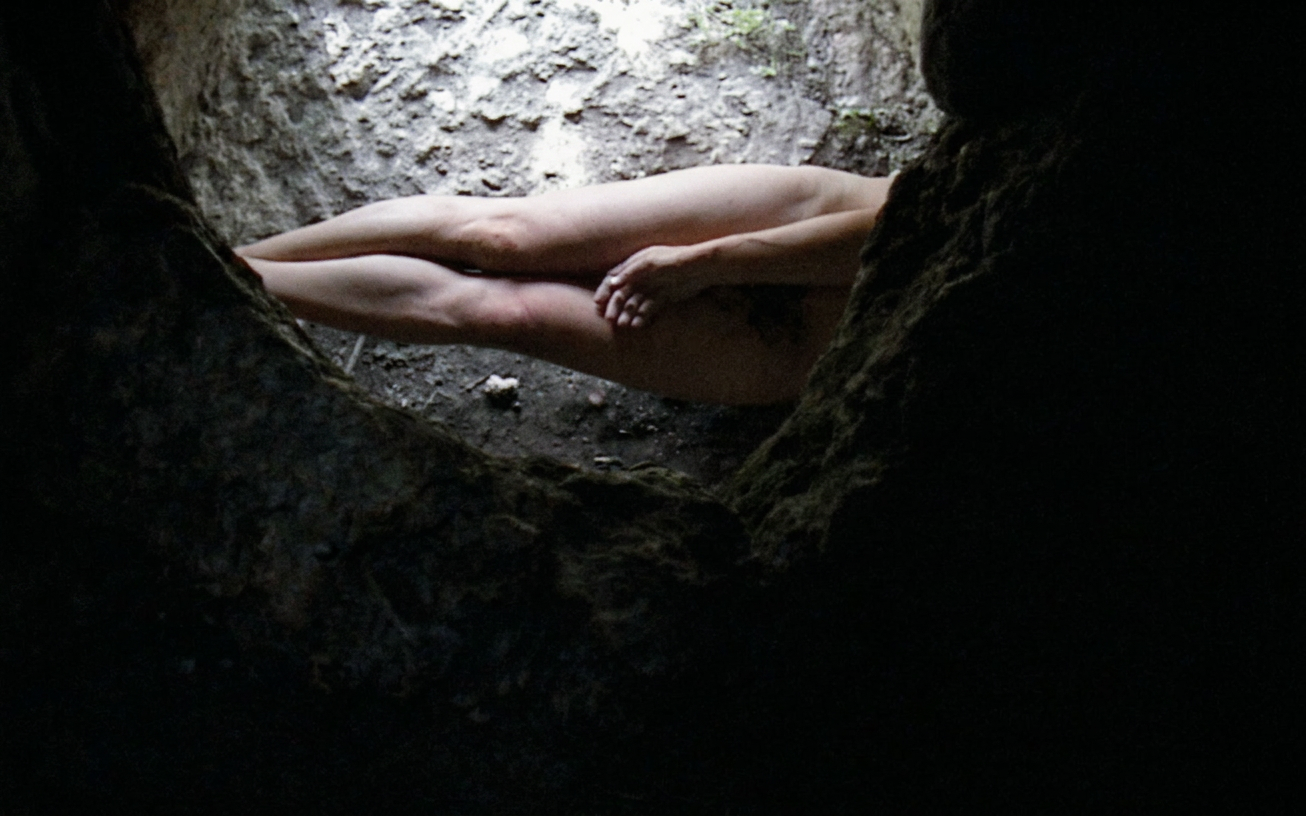
Directed by Nancy Spanier and performed by Paul Oertel, Flesh Sites is a site-specific videodance that explores the cave as a space of the unconscious. A timeless, nude body wanders through and responds to a series of charged sites: a prehistoric cave dating back 30,000 years, marked by ancient bas-reliefs; a 10th-century pigeonnier; the ruins of an 11th-century abbey; and a 12th-century château. Moving between geological, architectural, and bodily histories, the work evokes the cave as both a physical and psychic landscape.
Homage
(2003)
Directed by Ana Baer, Homage assembles archival video footage and interviews into a layered portrait of Nancy Spanier and her lifelong artistic practice. Rather than simply documenting her career, the work traces the networks of memory, artistic exchange, and embodied knowledge that have shaped Spanier’s work over time, situating her practice within a broader continuum of performance inventions.
Échos, esprits et traces dans l’ancien Hospice de Hautefort
(2002)
Directed by Nancy Spanier with the assistance of Ana Baer and performed by Paul Oertel, this docudance unfolds as a cinematic journey through a museum of medicine housed in a 17th-century hospital. Moving through the historic site, the work activates the traces of bodies, care, memory, and medical knowledge embedded within its architecture and collections, bringing the past into dialogue with the choreographic body.
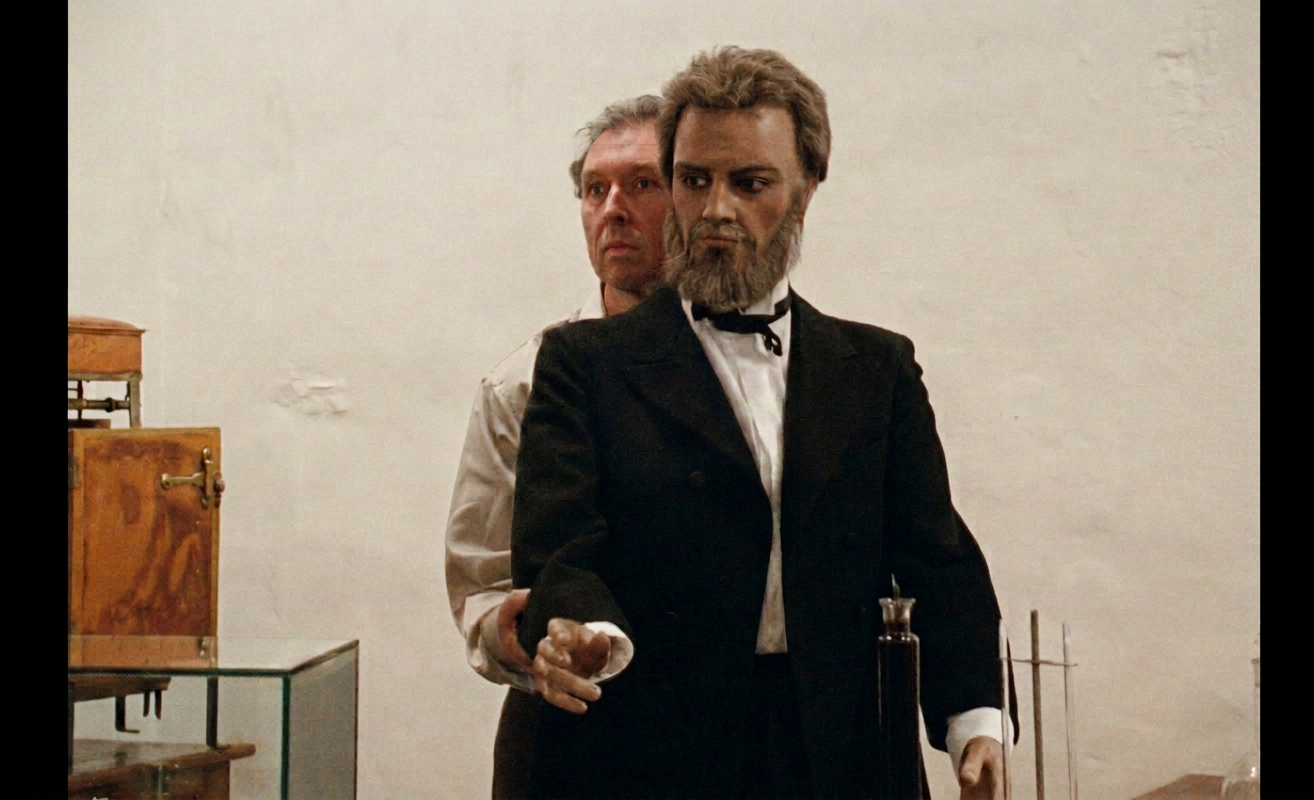
On the Sunny Side: An Outrageous Cabaret
(1991)
A one-man show conceived, directed, and choreographed by Nancy Spanier, and performed by Paul Oertel with live piano accompaniment by Peter Barbieri. Moving fluidly between the tragic and the comic, the piece distinguishes itself through its subtle fusion of cabaret and dance-theater techniques. Oertel moves between the Baudelairean spleen of the present and an idealized past, revealing a broad emotional range through gesture and the wistful songs of the Gershwins, Jerome Kern, Rodgers and Hart, Irving Berlin, and others.
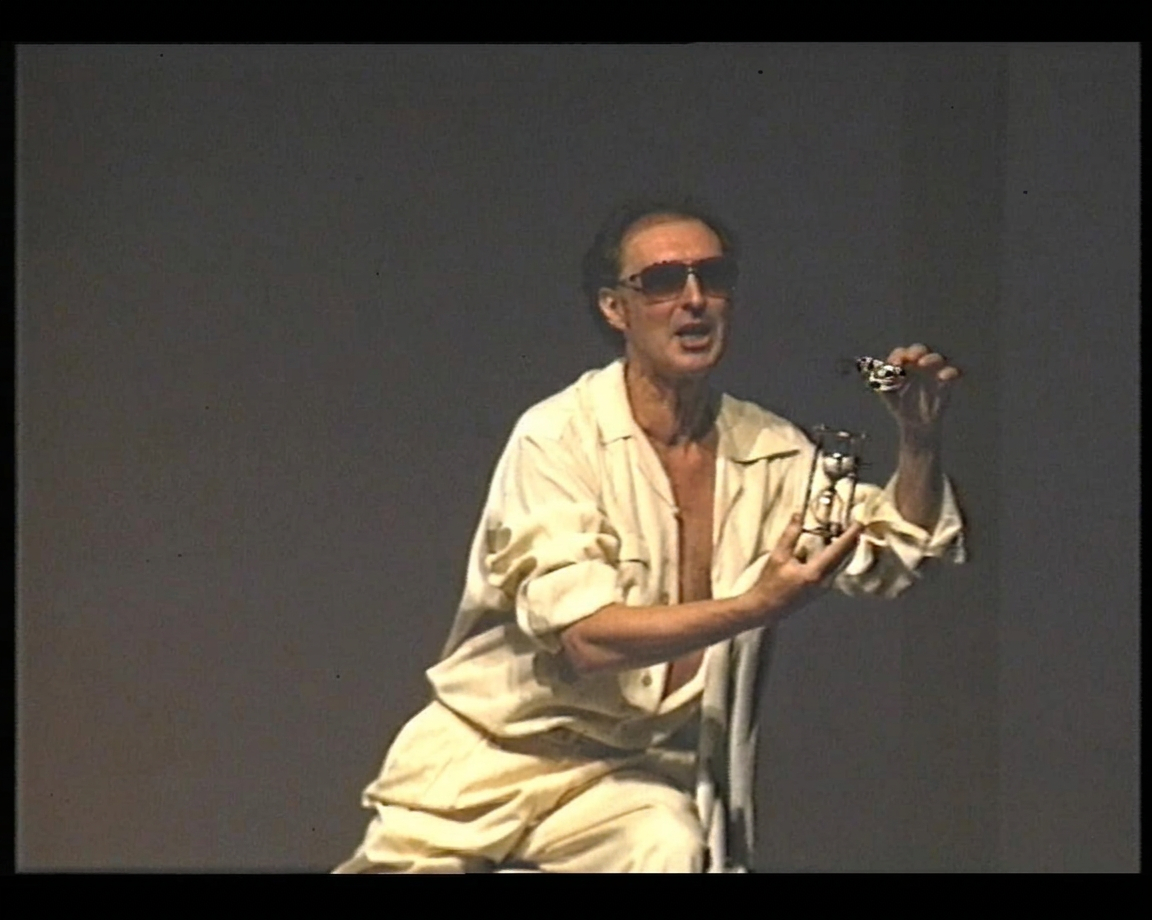
Flesh Chronicles
(1990)
Flesh Chronicles is a 1990 pilot video directed and choreographed by Nancy Spanier and performed by Allegra Ahlquist, Peter Goldfarb, Paul Oertel, and Jean-Claude van Itallie. Conceived as a work of body theatre, the piece explores fundamental aspects of ageing with poeticism and wit. It continues Spanier’s eponymous live performance, which she directed in 1988.

Nancy Spanier Dance Theatre Collage
(1986)
An early documentary on Nancy Spanier’s repertoire with her dance theatre company, spanning the early 1970s through Fatal Attraction, the final work conceived for the Nancy Spanier Dance Theatre before she expanded her practice into Performance Inventions. Directed by Rhaz Zeizler, Nancy Spanier Dance Theatre Collage (1986) brings together excerpts from Spanier’s choreographic repertoire, performed by Lisa Jo Landsberg, Ann McCauley, Leslie Newman-Clark, Paul Oertel, Noel Reiss, William Seigh, Janet Solyntjes, and others.
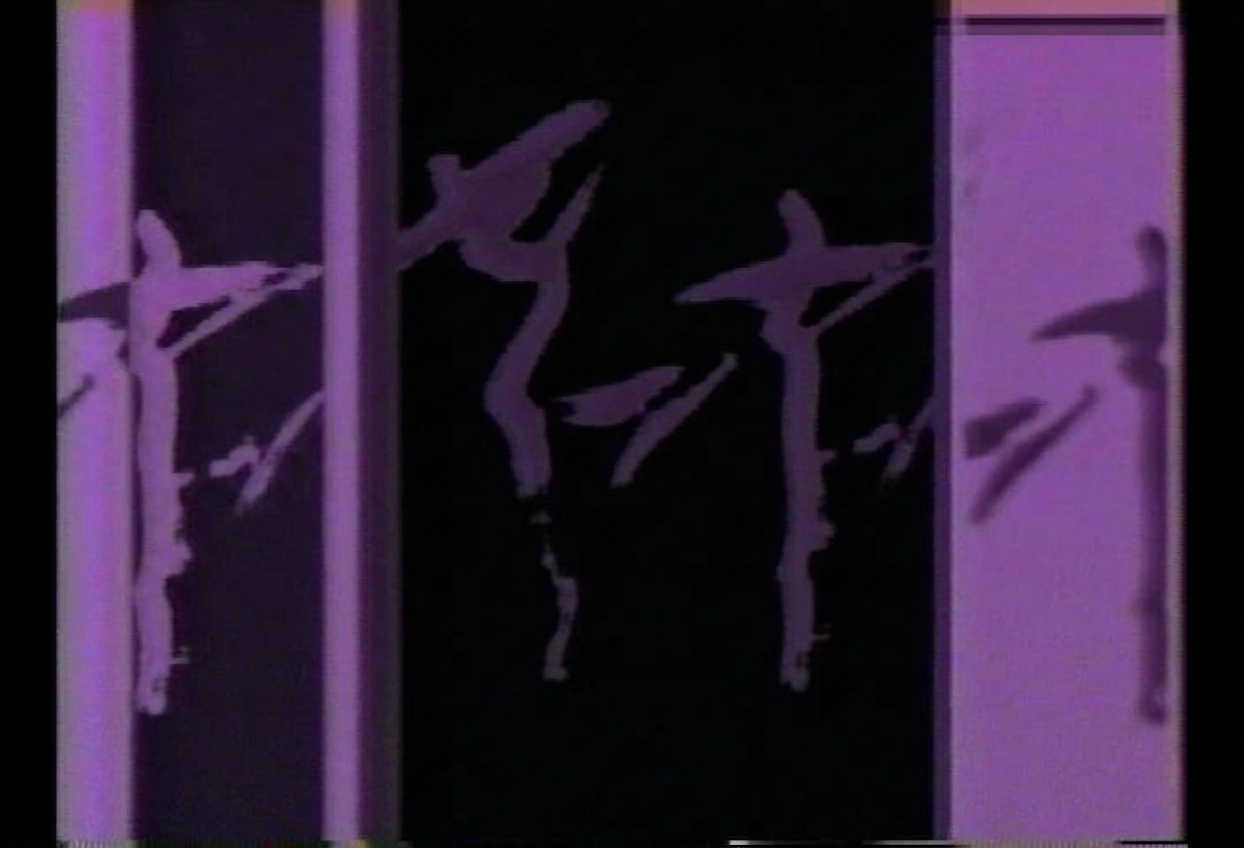
Androgenes
from
Eternal Rendezvous
(1983)
Androgenes is the third part of the trilogy Eternal Rendezvous, choreographed by Nancy Spanier and performed by the Nancy Spanier Dance Theatre in 1983. The trilogy explores the protean potential of human experience, pushing its narratives beyond conceptions of gender. Conceived as a journey through time and space, Eternal Rendezvous comprises three interdependent pieces—Maiden Forms, Gentle Men, and Androgenes—each envisioned as a distinct gender vignette: women, men, and gender-fluid identities. Androgenes unfolds in a world suspended between the oneiric and the symbolic, where the constraints of time and gender dissolve.
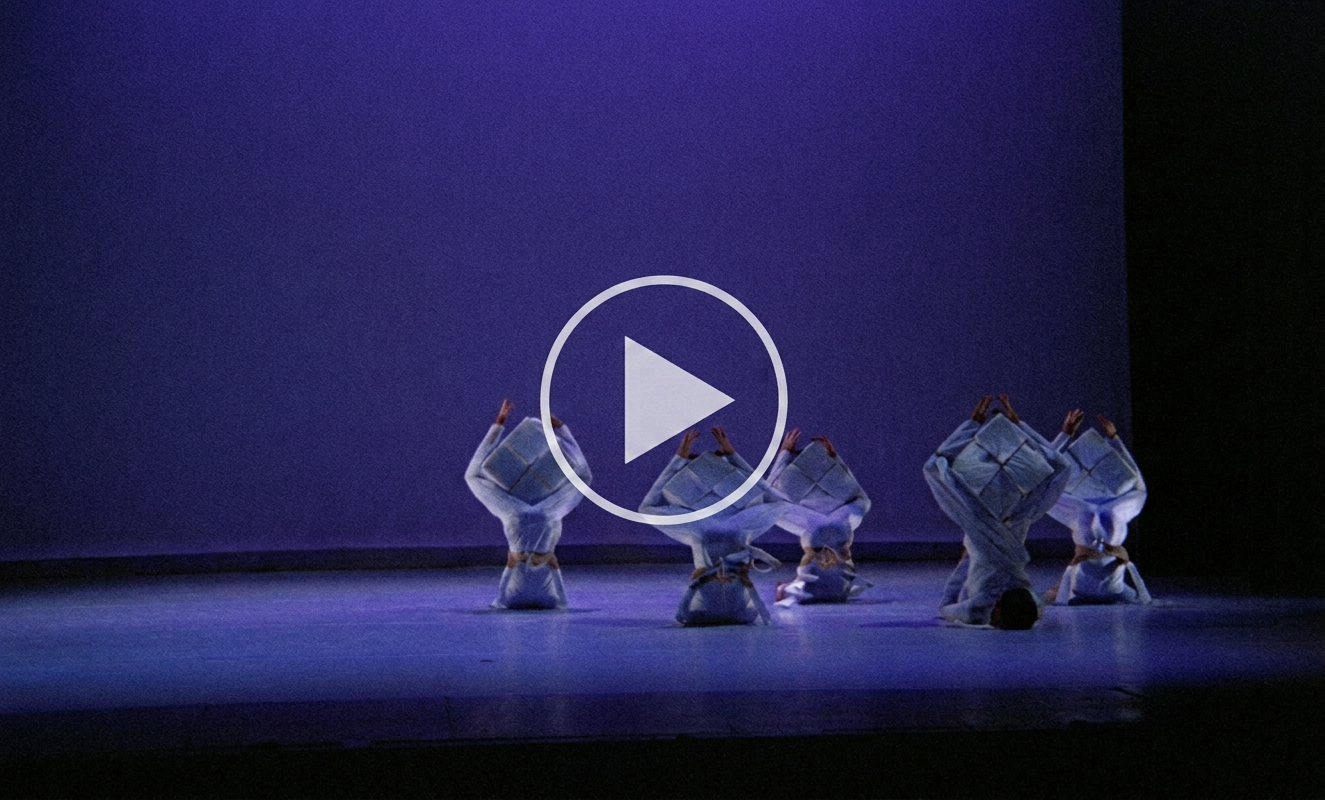
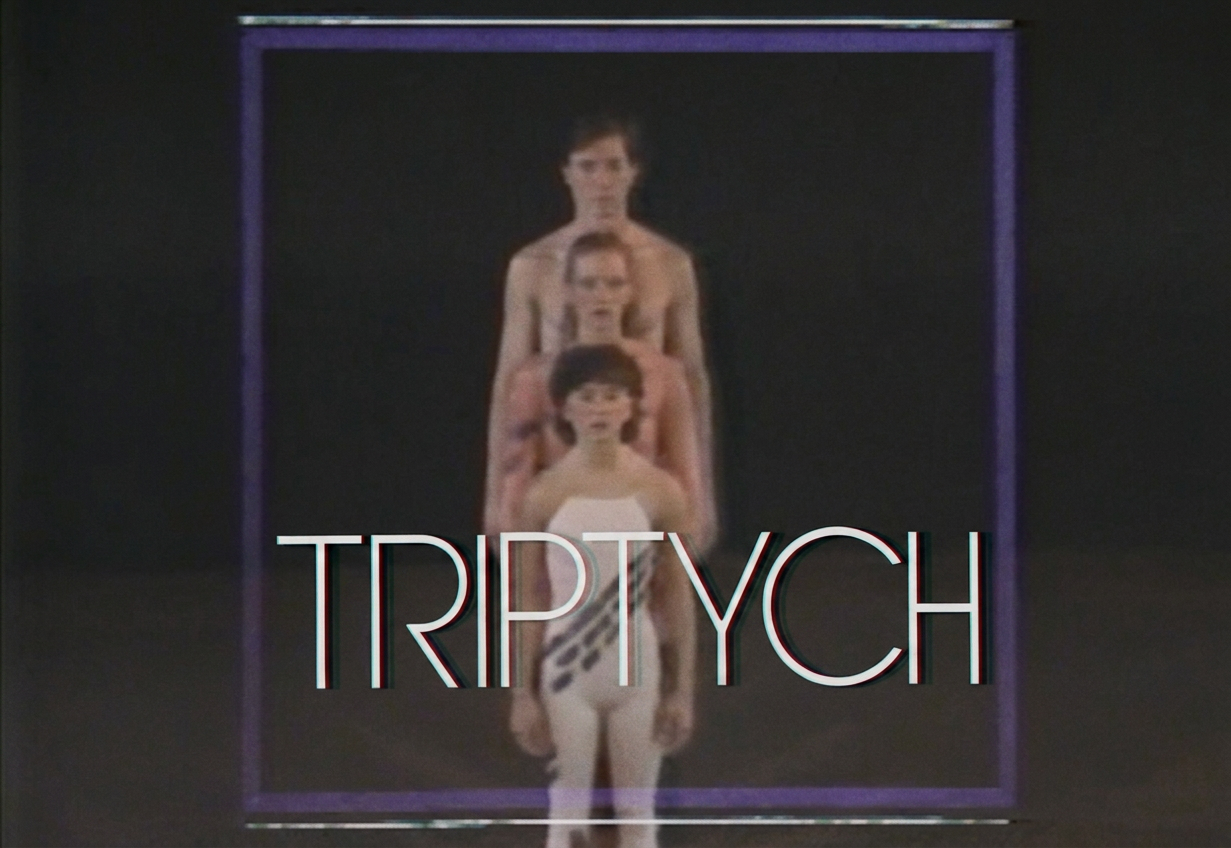
Triptych
(1981)
Triptych investigates the expressive potential of the love triangle, distilling and articulating its nature through movement. Within this tension, strength and tenderness alternate in a finely calibrated exploration of sexuality and selfhood. Triptych was performed as part of the Georgetown Dance Series in Georgetown, Washington, D.C., in 1981. Choreographed by Nancy Spanier and performed by Paul Oertel, Shelley Senter, and Dana Strong. Music by Jefferson Airplane and Corelli.
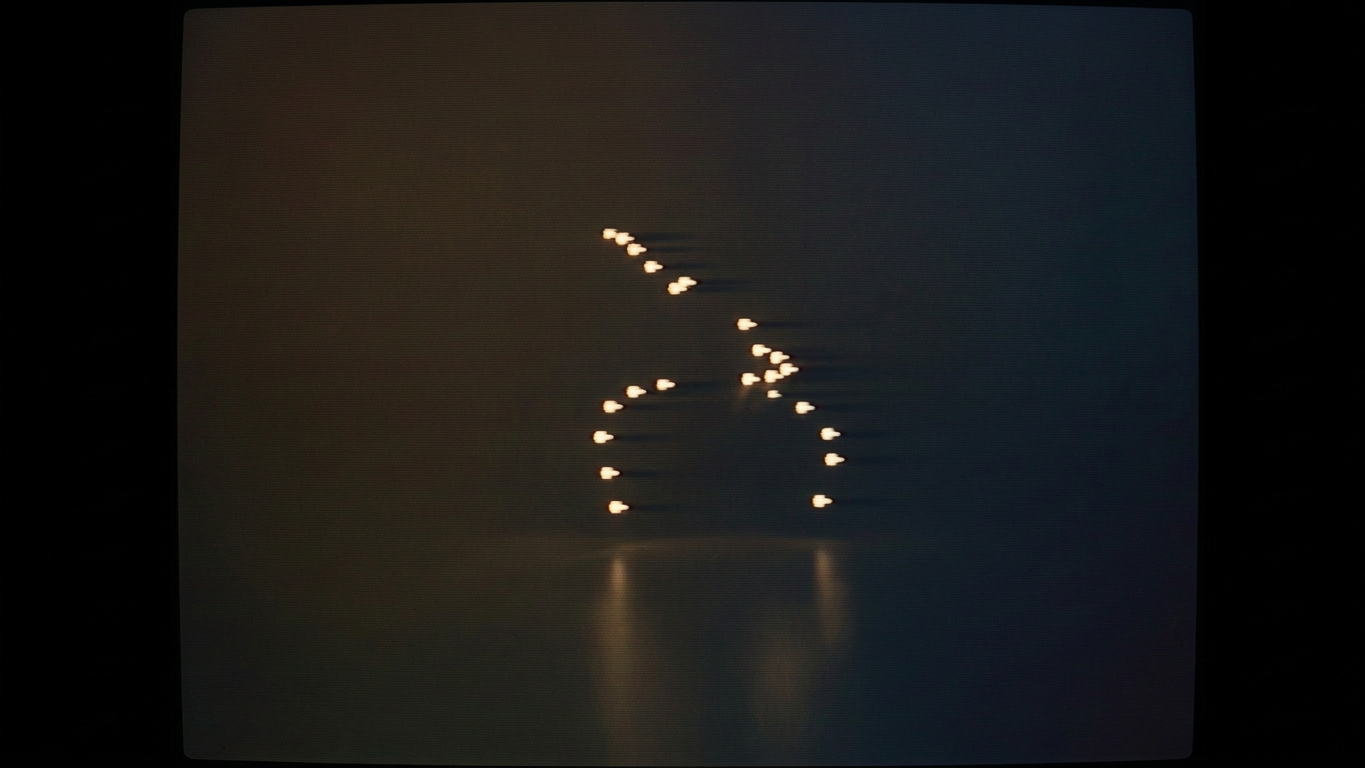
Enlightenment
from
High Country: A Celebration
(1980)
A visionary minimalist choreography, Enlightenment is an excerpt from High Country: A Celebration. Choreographed by Nancy Spanier and performed by Shelley Senter in 1982 at the Boulder Theatre, the excerpt evokes the New Age culture of Colorado through a literal yet striking metaphor of enlightenment: the performer is illuminated by small light bulbs attached to different parts of her body, which she activates with buttons in her palms. Against the darkness, her shifting silhouette acquires a mysterious, almost sacred presence, transforming the dancer into a living installation. In Enlightenment, Spanier choreographs light and movement as one, creating a solo that is at once minimalist, theatrical, and spellbinding.
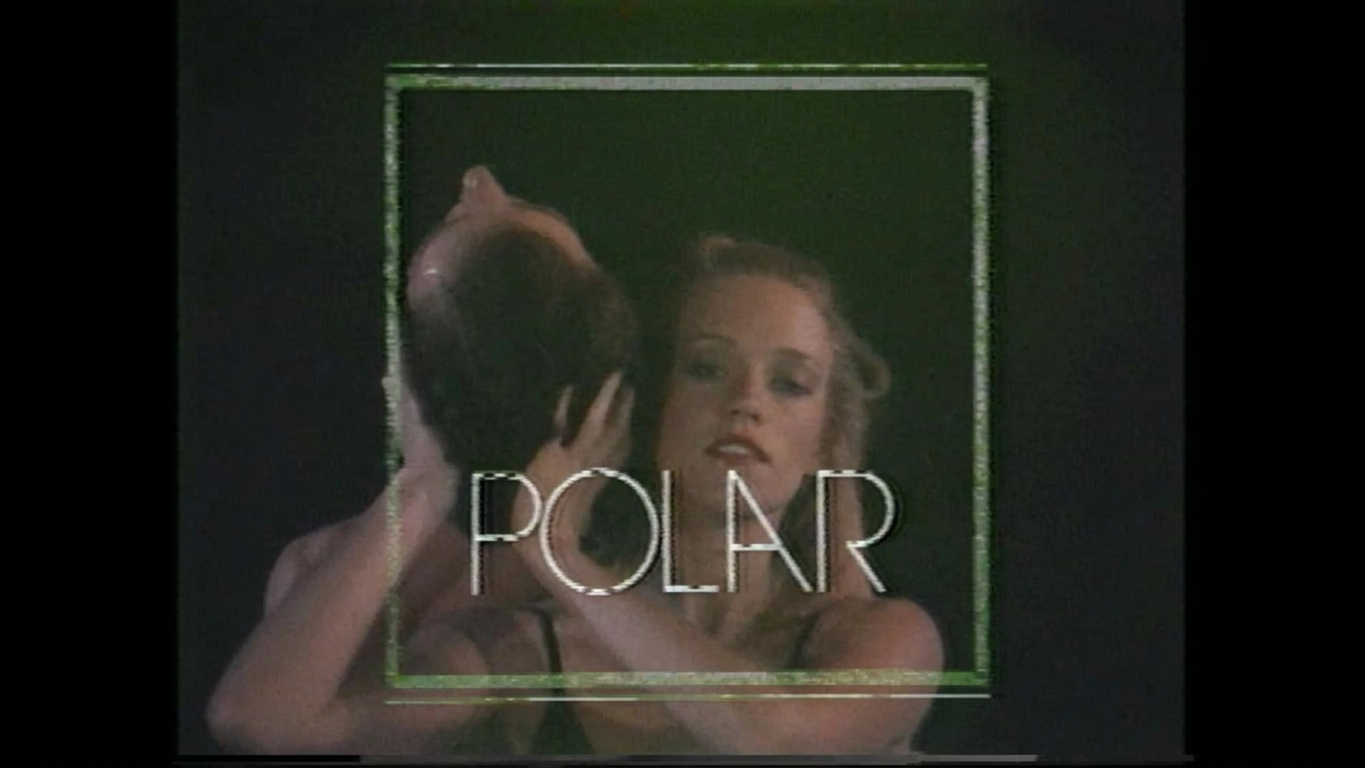
Polar
from
High Country: A Celebration
(1980)
A yin-yang duet where tenderness and tension collide as two lovers navigate the shifting poles of intimacy. Polar is an excerpt from the full-length work High Country: A Celebration, choreographed by Nancy Spanier and performed by Paul Oertel and Dana Strong as part of the Georgetown Dance Series in Georgetown, Washington, D.C., in 1981. The musical landscape ranges from Alejandro Jodorowsky’s La Miel del Dolor to classics such as Frank Sinatra’s Fly Me to the Moon.
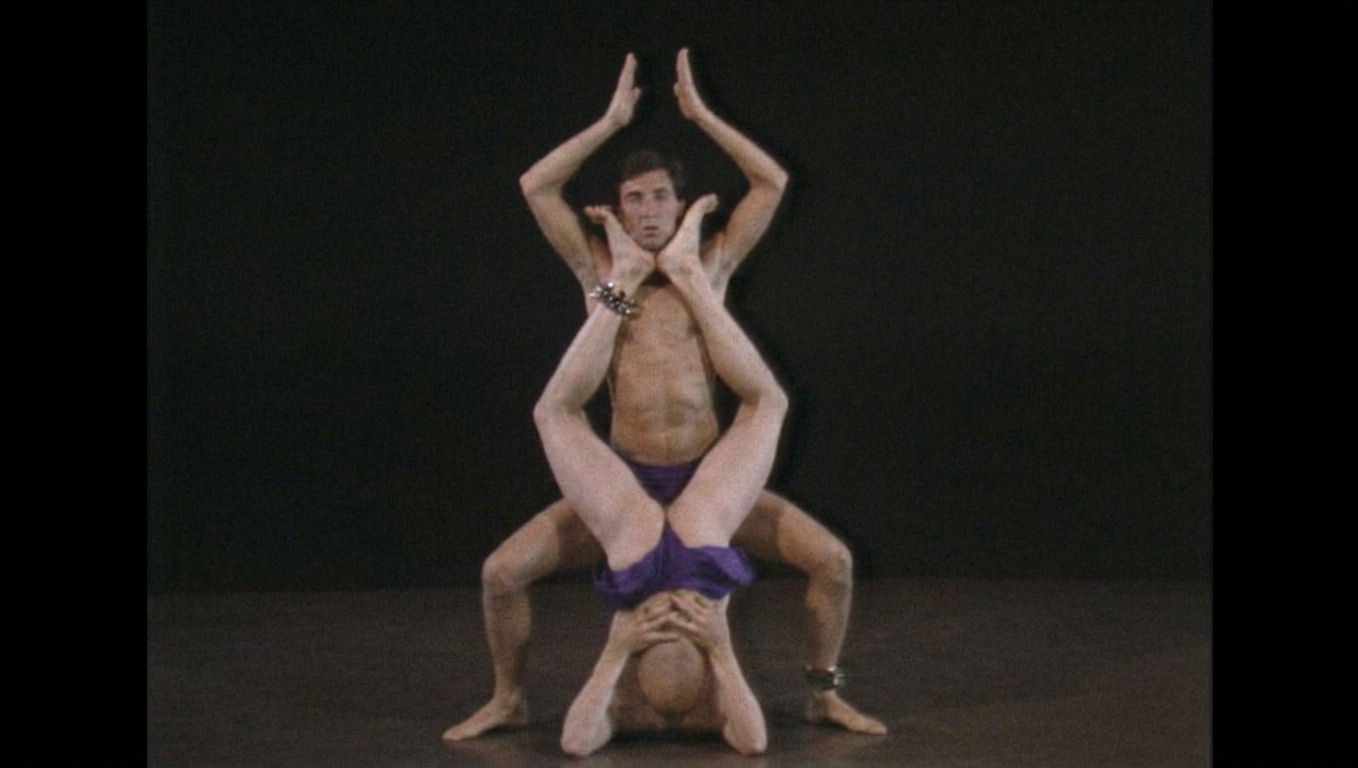
Chakra
from
High Country: A Celebration
(1980)
Chakra embraces the esoteric atmosphere of 1970s Colorado in a playful choreography about two men in search of balance. Their movement vocabulary draws on elements of Indian classical dance, revisited in a postmodern key and infused with humor and self-irony. An excerpt from the full-length work High Country: A Celebration, choreographed by Nancy Spanier, Chakra was performed by Darrell Sanchez and Paul Oertel as part of the Georgetown Dance Series in Georgetown, Washington, D.C., in 1981. Music: The Hashishin by Jack Nitzsche and Ry Cooder.
Arena: A Documentary in Five Rounds
(1978)
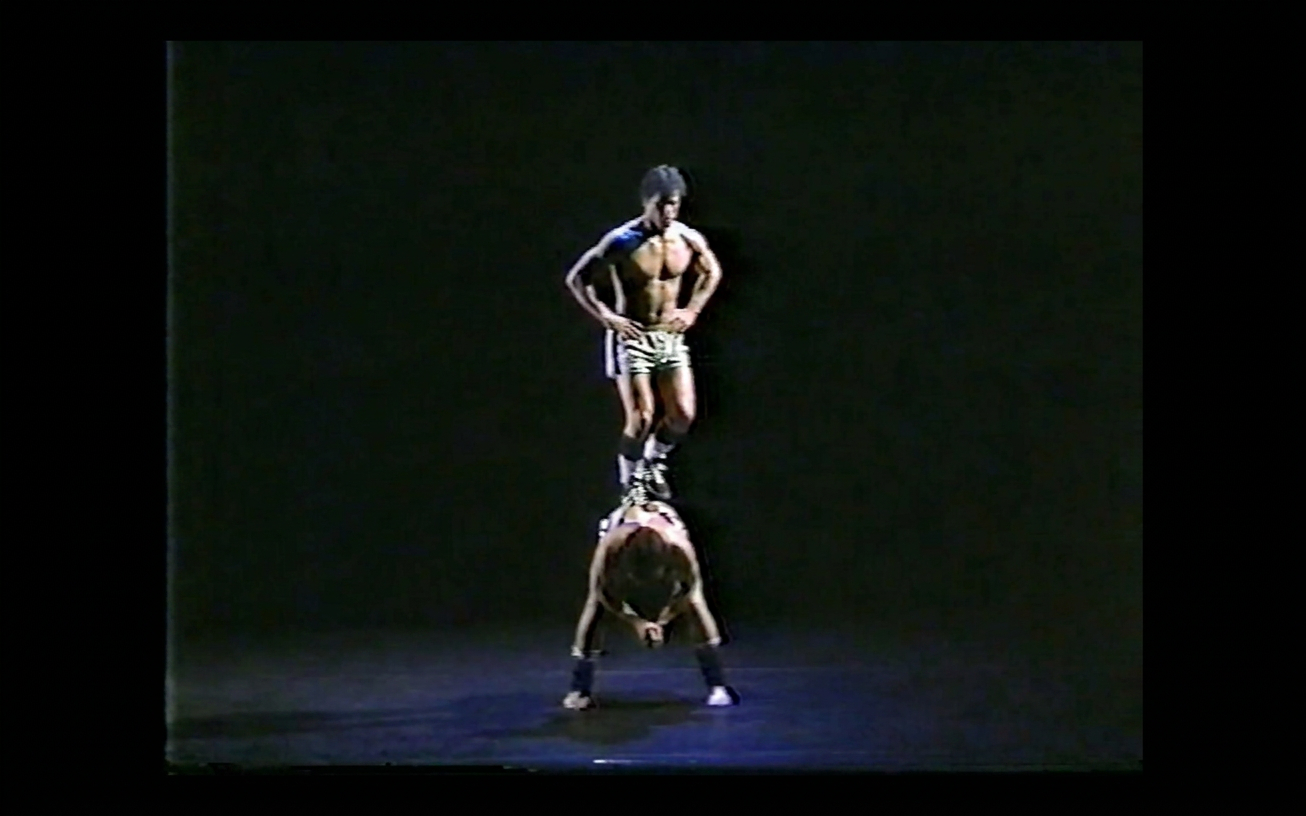
In Arena: A Documentary in Five Rounds, a male duet explores different forms and degrees of intimacy, drawing on historical references and using the boxing ring as a metaphorical framework. Combining elements of gymnastics, mime, and dance, the work offers a satirical take on social conventions and masculine stereotypes. Choreographed by Nancy Spanier and performed by Paul Oertel and William Seigh at the Festival of Dance at the Kennedy Center in Washington, D.C.
Solo
(1978)
Conceived, directed, and performed by Paul Oertel. Premiered at the University Theatre in Boulder, Colorado, this work unfolds through a deft interplay of humor, physicality, and tragicomic gesture. Structured as a sequence of exhilarating episodes and unexpected turns, the solo moves fluidly between mime, choreography, and absurdist theatre. Solo was subsequently presented in Paris in 1979.
Aspects of Camellia
(1972)
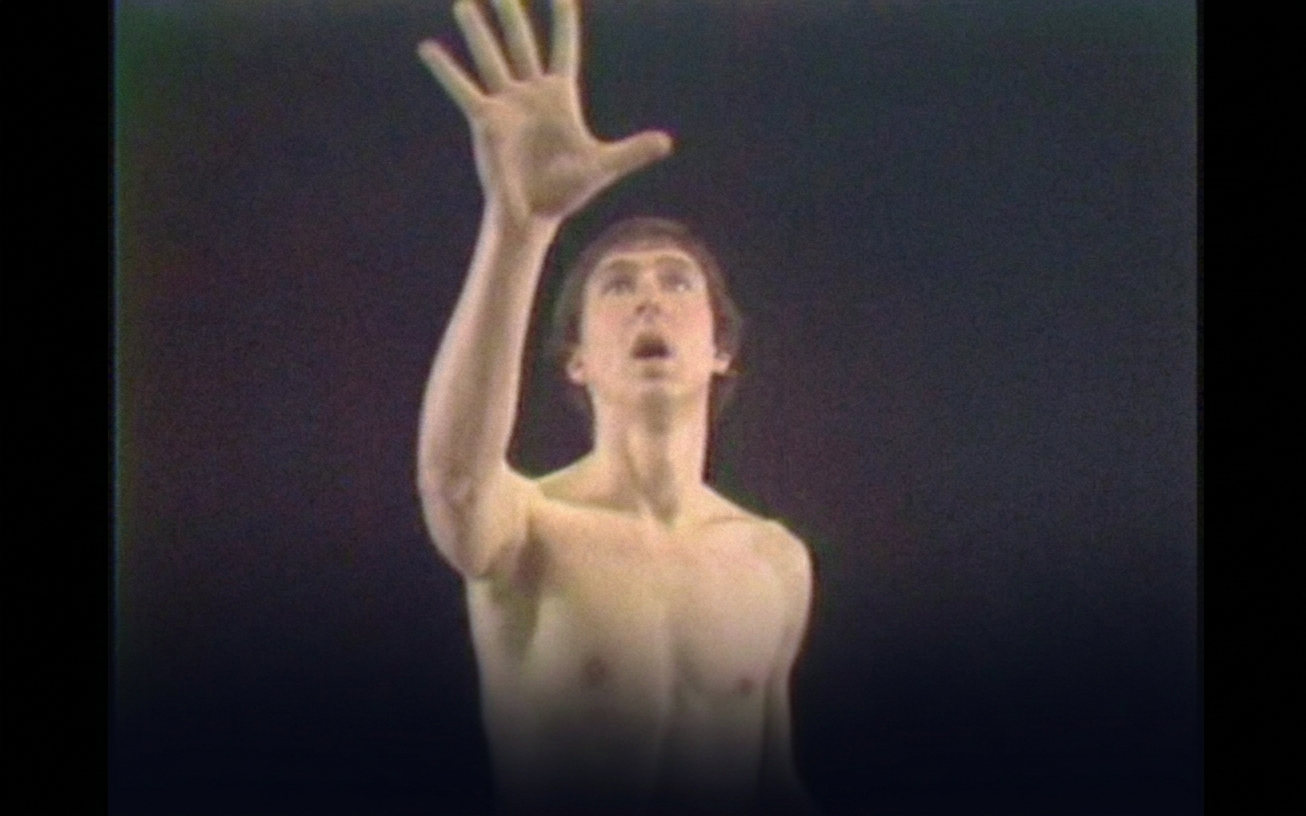
Aspects of Camellia is a 1972 documentary film that focuses on the creation of Glass Camellias, a choreographic work by Nancy Spanier for the Xoregos Dance Company, based in San Francisco. Taking inspiration from Samuel Johnson’s aphorism, “the fields of air are open to knowledge and only ignorance and idleness need crawl upon the ground,” the choreography unfolds against the psychedelic soundscape of Pink Floyd’s A Saucerful of Secrets.